

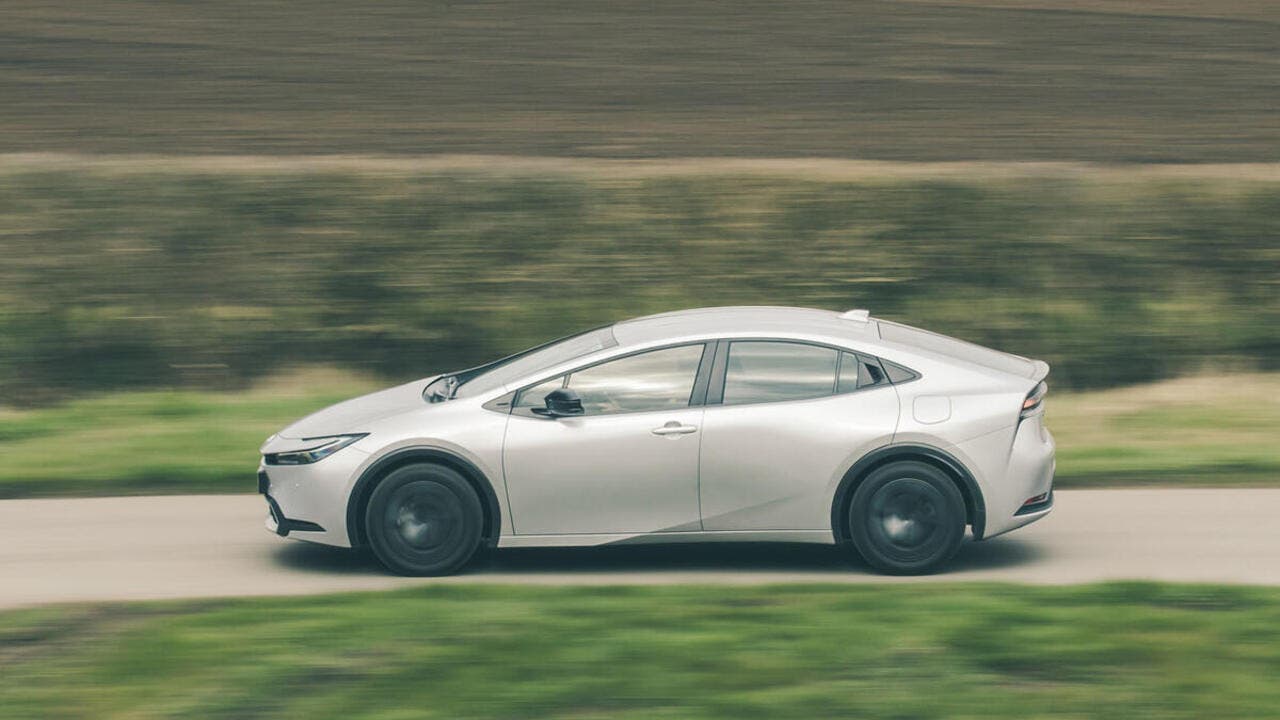
The Toyota Prius used to be the car you bought if you wanted to tell the world you were saving the planet without saying a single word. It invented the hybrid game, survived decades of being the punchline of every car enthusiast’s joke, and finally became actually attractive with its latest generation.
You’d think that in 2026, with the “EV revolution” cooling off and everyone rushing back to hybrids, the Prius would be taking a victory lap. Instead, it’s looking more like a retirement party no one bothered to attend.
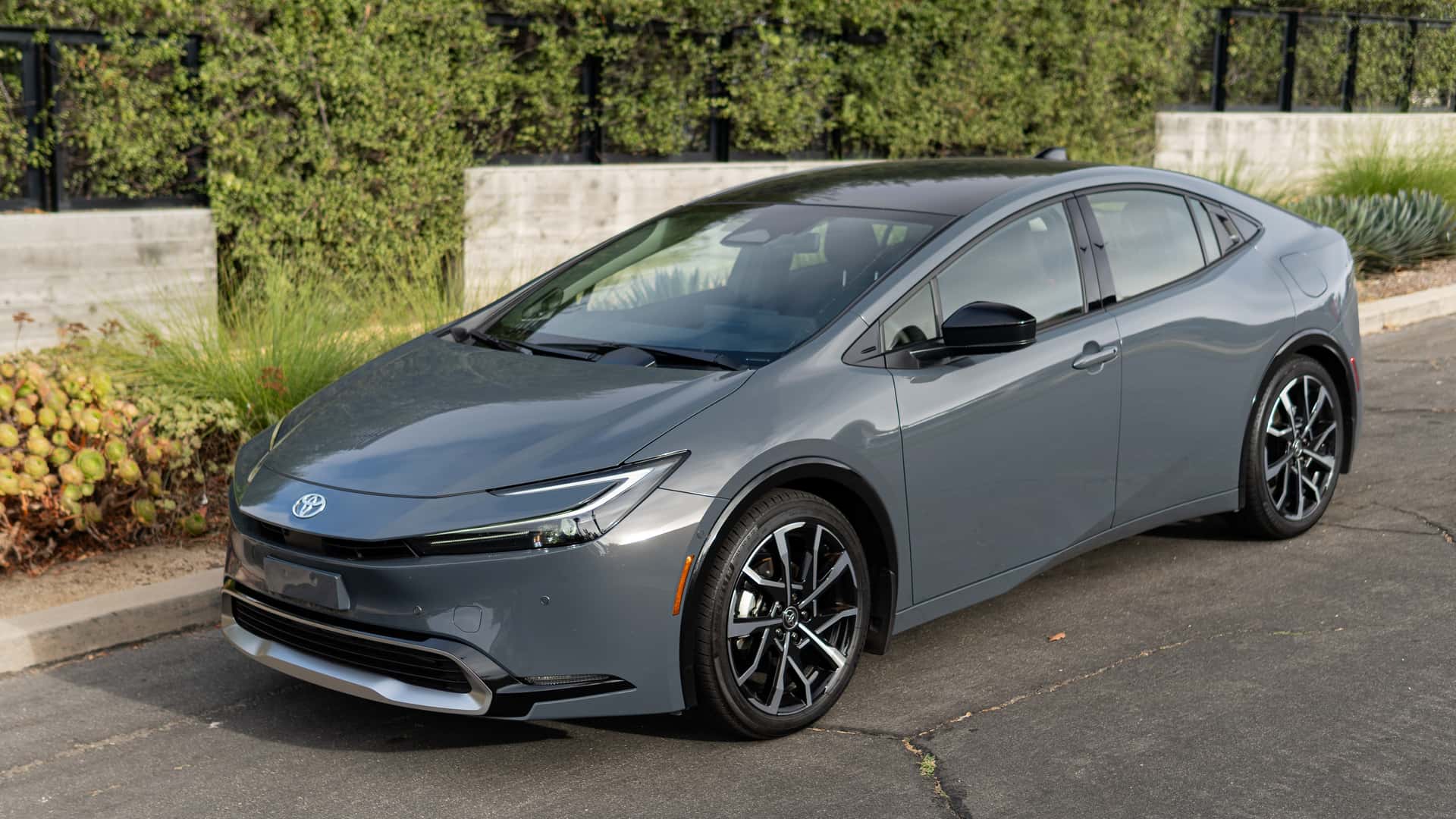
The numbers are, frankly, brutal. In April 2026, the Prius found only 2,301 buyers. A staggering 66% drop compared to last year. Year-to-date, the icon is down nearly 50%. While the world claims to be “over” EVs, Toyota’s electric SUV bZ4X is thriving. Despite its clunky branding, the bZ saw a 174.9% sales surge in April, moving 2,925 units. The “goofy” EV is officially outselling the hybrid queen.
What went wrong? It’s not that people have stopped loving Toyota hybrids. They’ve just found a bigger, more logical crush: the Camry. With over 111,000 units sold so far this year, the Camry is currently the king of the Toyota stable.
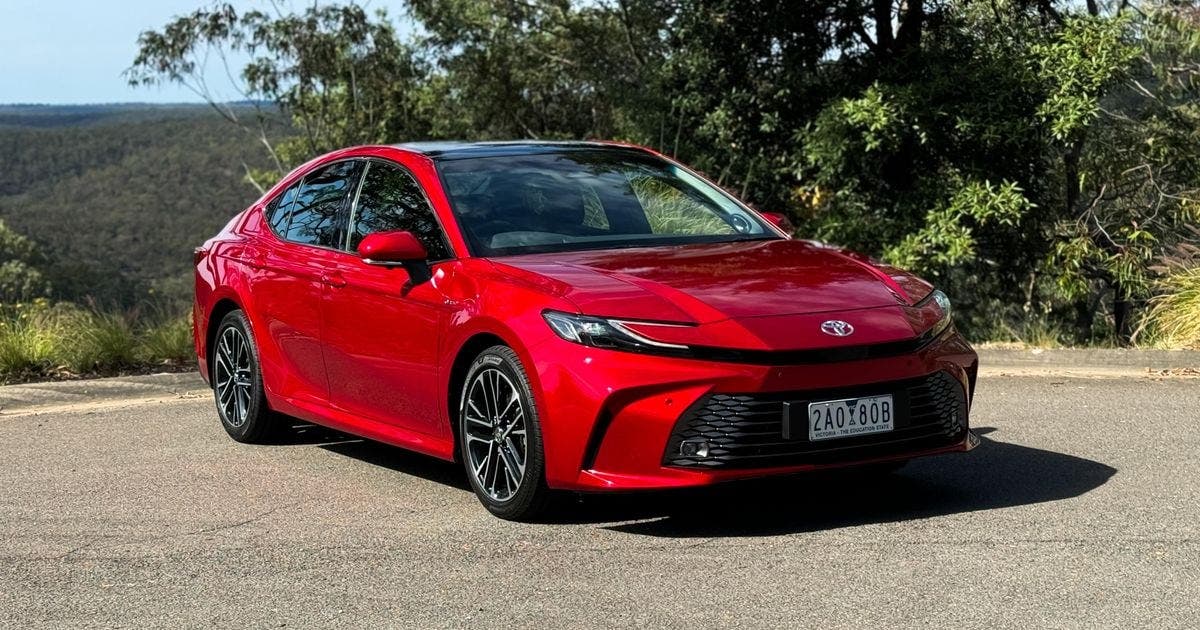
There’s a cold, hard financial logic here too. While the Prius is shipped from Japan, the Camry is proudly stamped out in the United States. For a consumer, choosing between a cramped, imported hatchback and a spacious, domestic hybrid sedan that sips fuel just as sparingly isn’t exactly a difficult math problem.
Even the mighty RAV4, typically the undisputed heavyweight champion of American suburbs, is having a rough 2026, with sales down 32.8% as it transitions to a new model. Meanwhile, the 4Runner continues to defy the laws of automotive aging, with sales up 156% year-over-year.
It seems Americans still want rugged dinosaurs and sensible sedans, leaving the poor Prius stuck in a mid-life identity crisis. Even Lexus is feeling the chill, with double-digit drops across nearly its entire lineup. Toyota Motor North America might only be down slightly overall, but the internal shift is clear: the pioneer that started the hybrid revolution is being quietly ushered toward the exit by its own siblings.