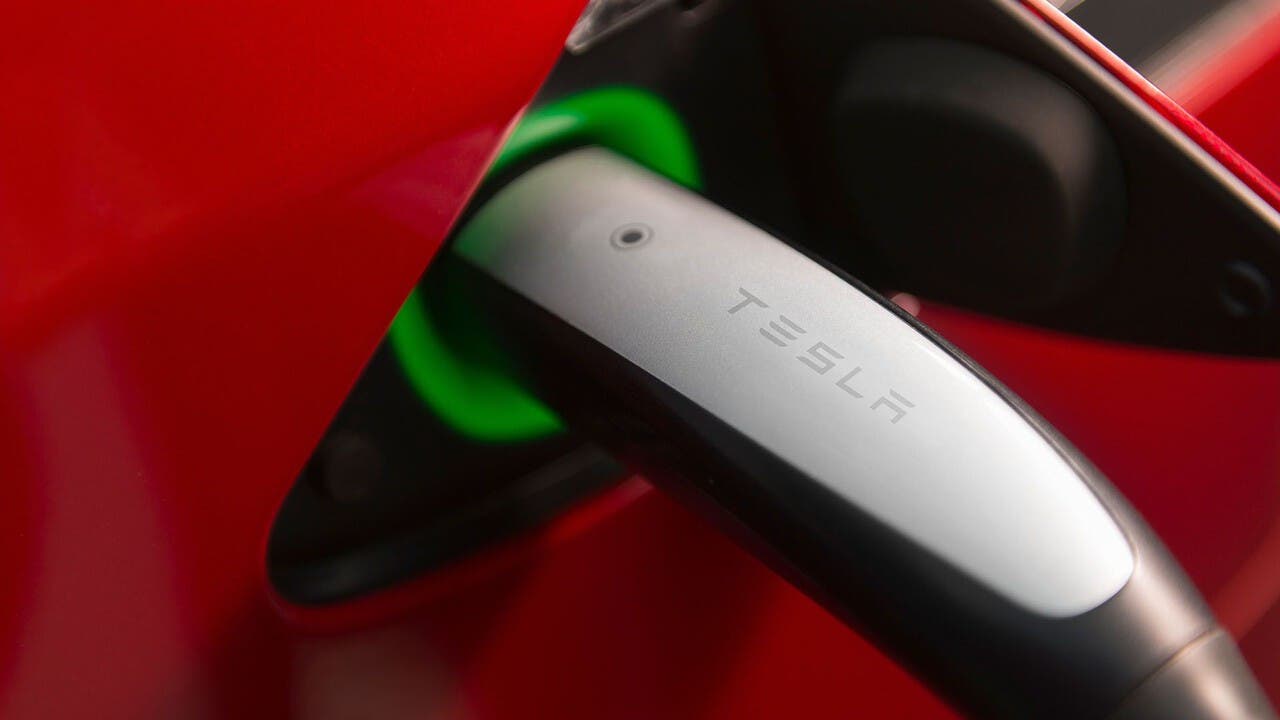
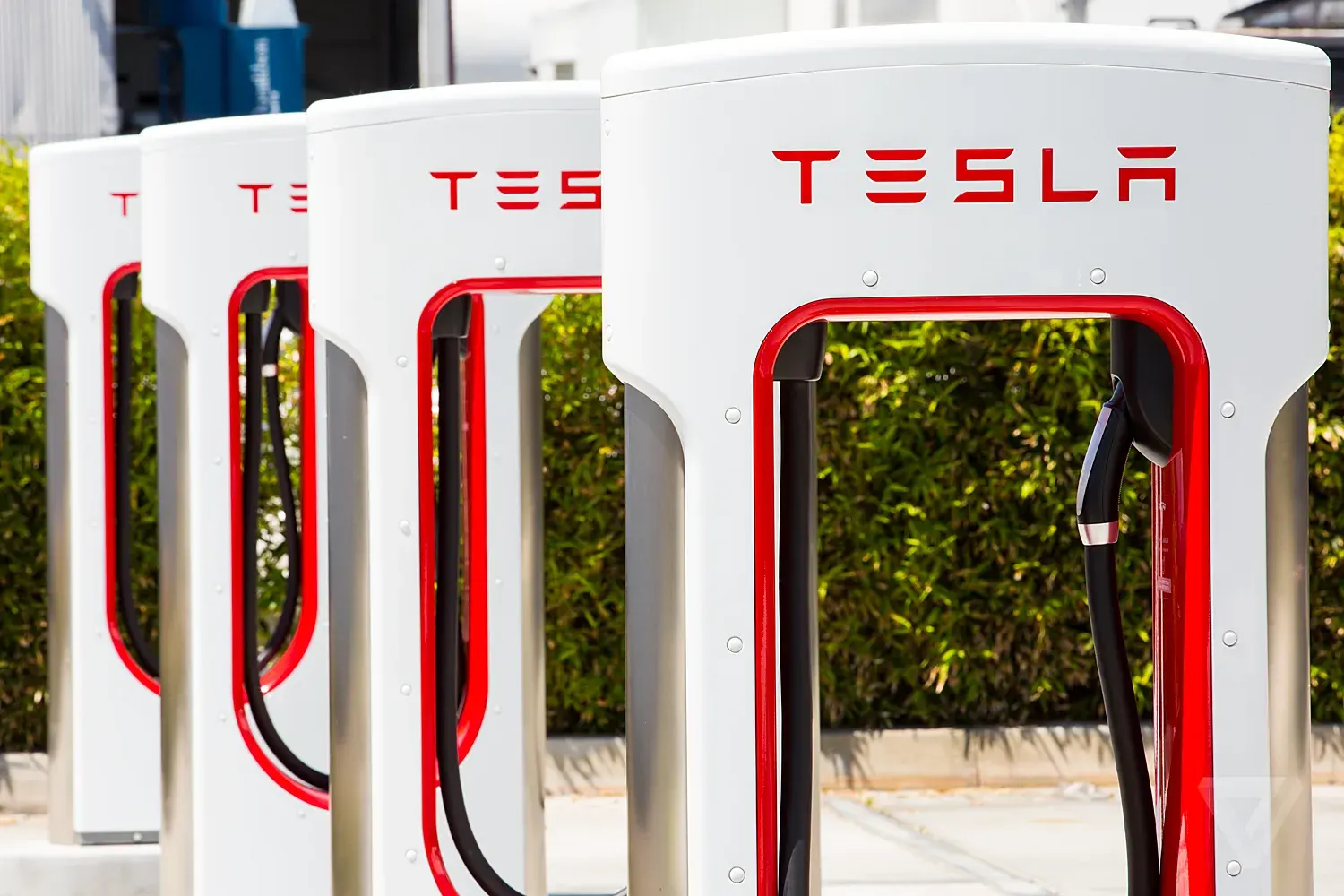
The great EV charging wars have reached their inevitable conclusion. After watching every other major automaker (Ford, GM, Mercedes, the Hyundai-Kia conglomerate, Toyota and Volkswagen) abandon the clumsy CCS standard for the sleek, proven NACS (North American Charging Standard) connector, Stellantis was the last major holdout. Well, the last domino has finally toppled.
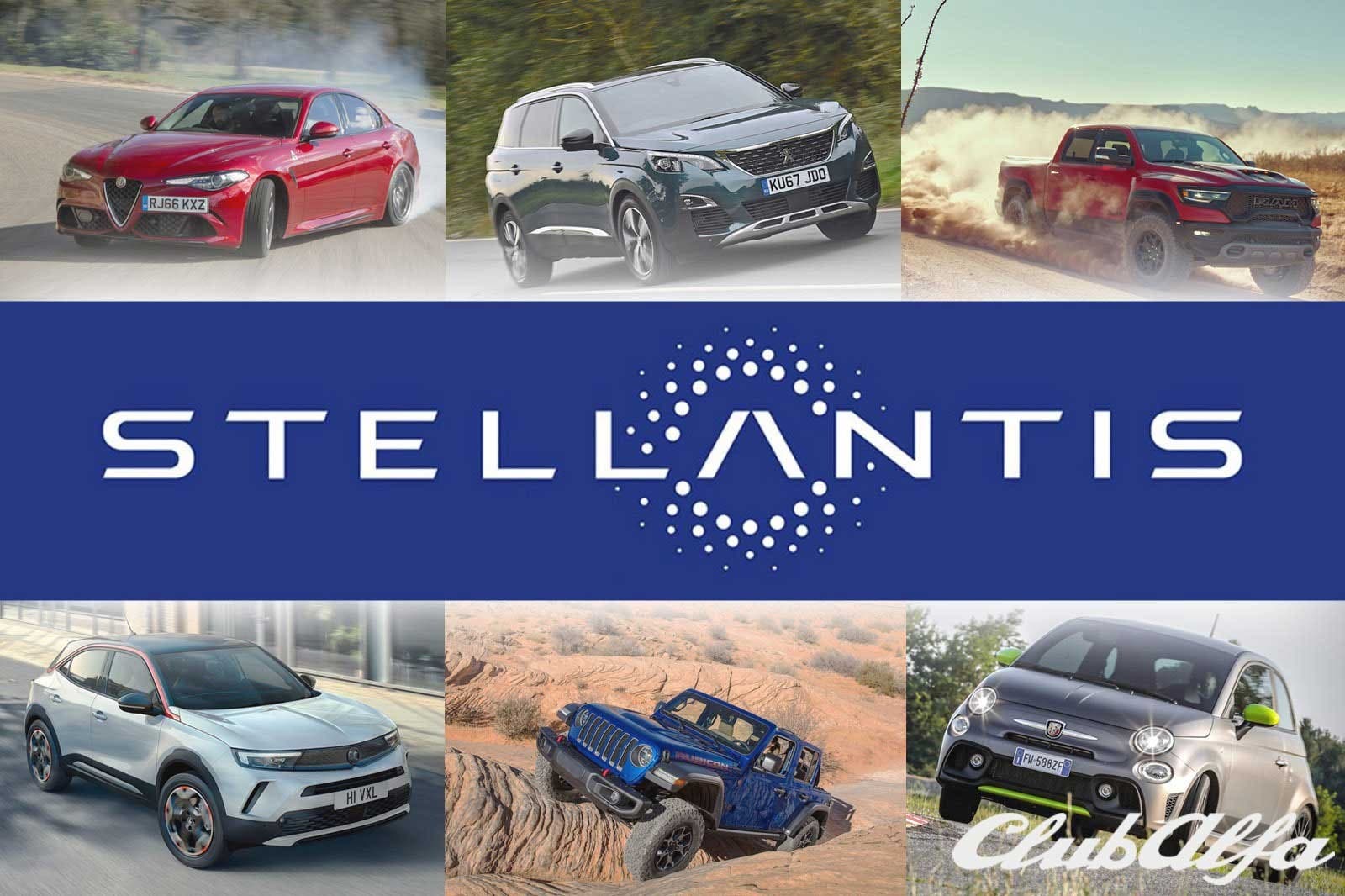
The company announced today that it is officially adopting the NACS, now formally known by its slightly duller technical moniker, SAE J3400. Given Stellantis’s notably sparse current EV offering in North America, it’s not surprising they took their time, arriving fashionably late to the party.
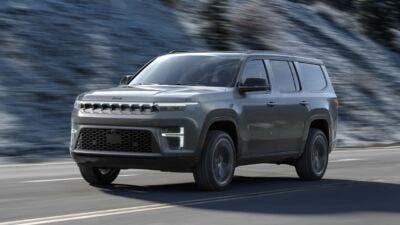
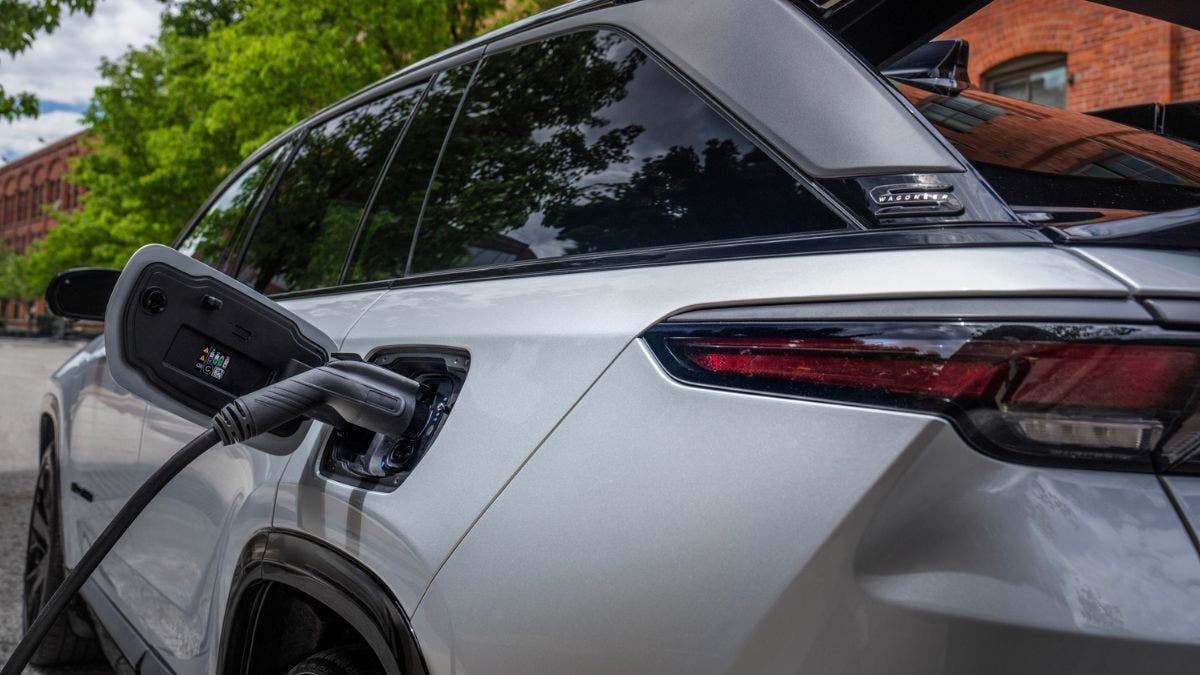
The rollout begins in 2026, debuting on the highly anticipated Jeep Wagoneer S and the Dodge Charger Daytona EV, followed closely by the 2026 Jeep Recon and subsequent BEVs. But the real, buried headline in the press release is that Stellantis is taking the NACS beyond the borders of North America.
For months, the discussion around NACS has been entirely US and Canada-centric, which makes sense given the name. But the simple fact is that the Tesla connector has quietly been used in other key markets, including Japan and Korea. Now, starting in 2027, Stellantis confirmed that its BEVs in both Japan and South Korea will also feature the NACS port.
This is a profoundly significant development. Both Asian markets are notorious for their chaotic charging infrastructure, Japan is the spiritual home of CHAdeMO, and both countries utilize different forms of CCS. By actively introducing the NACS into these territories alongside Tesla, Stellantis is officially mounting the first multi-market challenge to the global charging status quo outside of the US.
The “North American Charging Standard” is now aggressively shedding its geographical identifier. It seems the Tesla connector is not just winning the domestic battle. It’s going global, leaving the bulky CCS and ancient CHAdeMO to face an existential crisis on two continents.