Tesla ended the second quarter of 2026 with revenue and deliveries above expectations, but higher volumes failed to produce a comparable financial improvement. Gross margin fell to 16.8 percent, while free cash flow turned negative by $1.1 billion as the company increased spending on artificial intelligence, autonomous driving, manufacturing capacity, and new industrial projects.
Quarterly revenue reached $28.23 billion, beating market forecasts, although earnings per share fell short of expectations. Higher operating costs, price cuts across several countries, and a smaller contribution from regulatory credits continued to weigh on profitability.
Tesla delivers 480,126 vehicles, but margins and cash generation decline
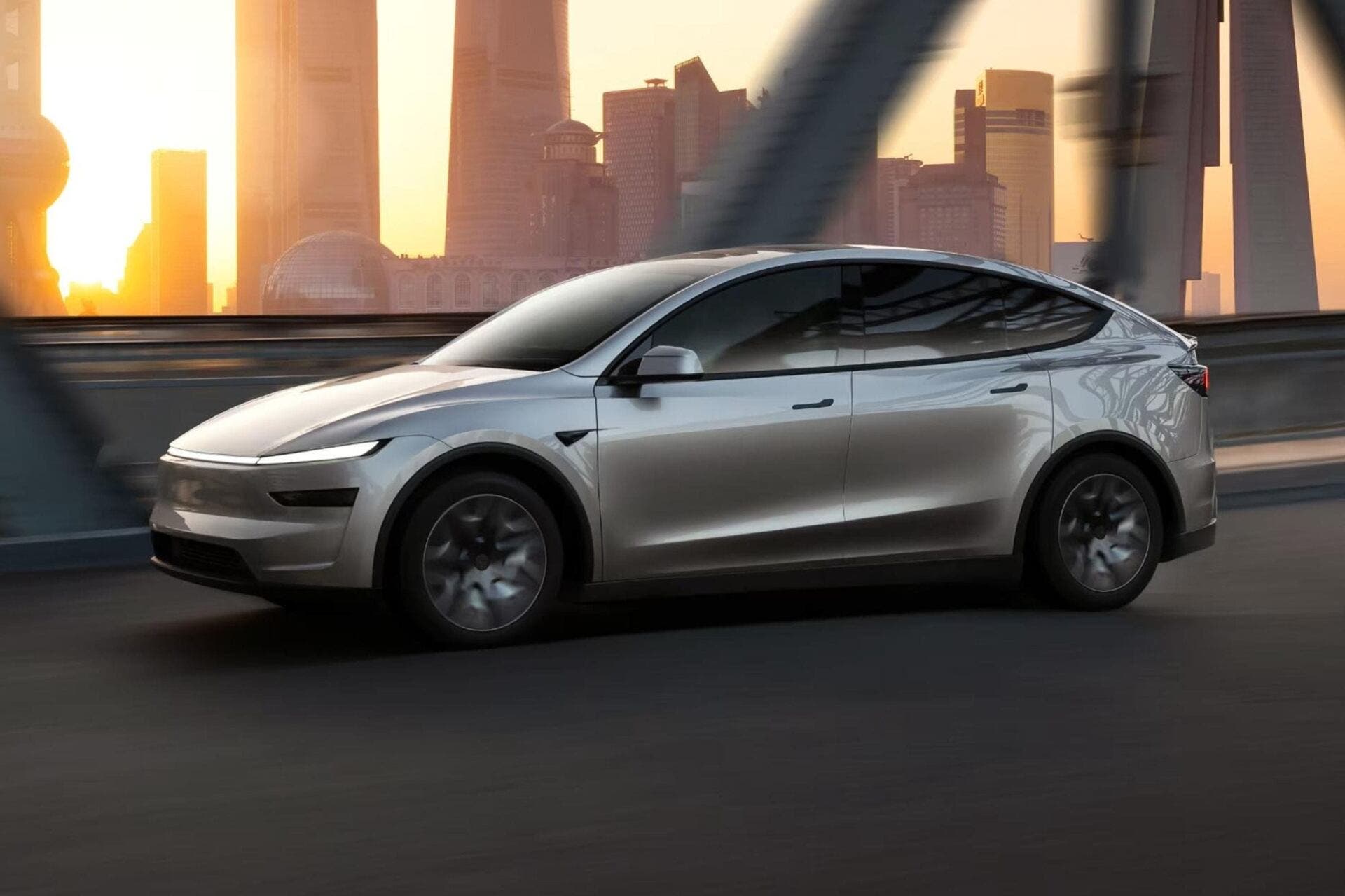
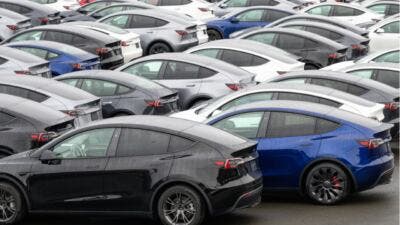
Tesla delivered 480,126 vehicles, its strongest second-quarter result to date, while production reached 451,758 units. The gap allowed the company to reduce some of the inventory accumulated in previous months. Tesla attributed the commercial performance to stronger electric vehicle demand across several international markets.
However, investors remain focused on cash generation, which turned negative for the first time in more than two years. Tesla is expanding the computing infrastructure required to train its AI systems while also financing new factories, autonomous driving development, the Optimus humanoid robot, and its energy business. Capital spending for the full year should exceed $25 billion.
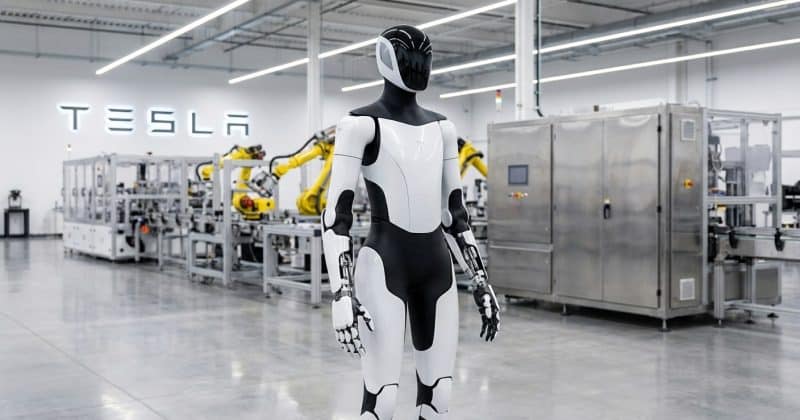
Elon Musk described the current period as one of the most investment-intensive phases in Tesla’s history, arguing that these projects could generate substantial long-term returns. CFO Vaibhav Taneja nevertheless warned that cash consumption will increase further during the second half of the year, with spending likely to remain high in the following years.
Musk believes artificial intelligence, robotaxis, and humanoid robots could eventually generate more revenue than vehicle manufacturing. Their economic potential, however, remains unproven and will take longer to establish than a conventional automotive product cycle.
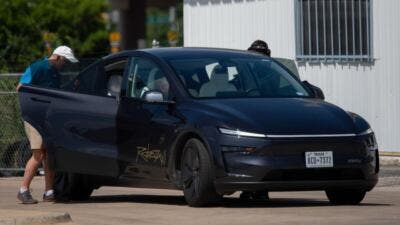
Tesla also offered a more cautious outlook for its robotaxi network than some investors expected. Musk announced no new geographic targets, explaining that expansion must avoid increasing accident risks or prompting regulatory restrictions. The service currently operates only in limited areas of Texas and Florida.
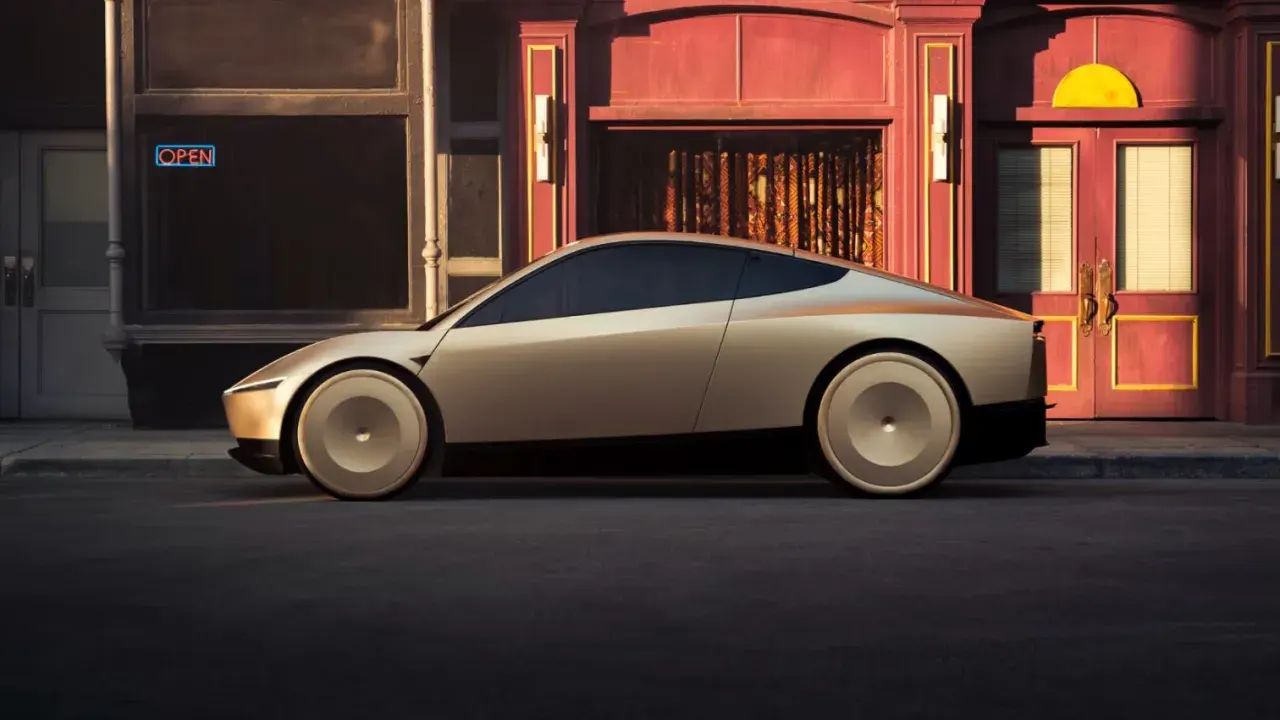
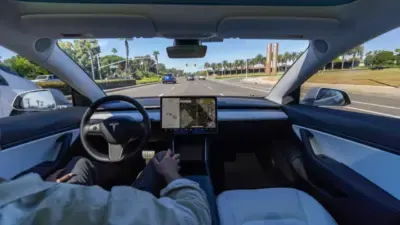
Ashok Elluswamy, Tesla’s head of AI, said autonomous driving mileage is growing at a double-digit percentage rate, a trend the company expects to continue during the second half of the year. Tesla plans to introduce the technology on the Semi between late 2026 and early 2027, although production volumes for the electric truck remain limited.
Battery and electronic component availability continues to constrain factory expansion. Tesla ended the quarter with its largest order backlog since 2023 and is negotiating new supplier agreements to ease shortages. The coming quarters will show whether its emerging businesses can offset weakening profitability in the automotive division.