

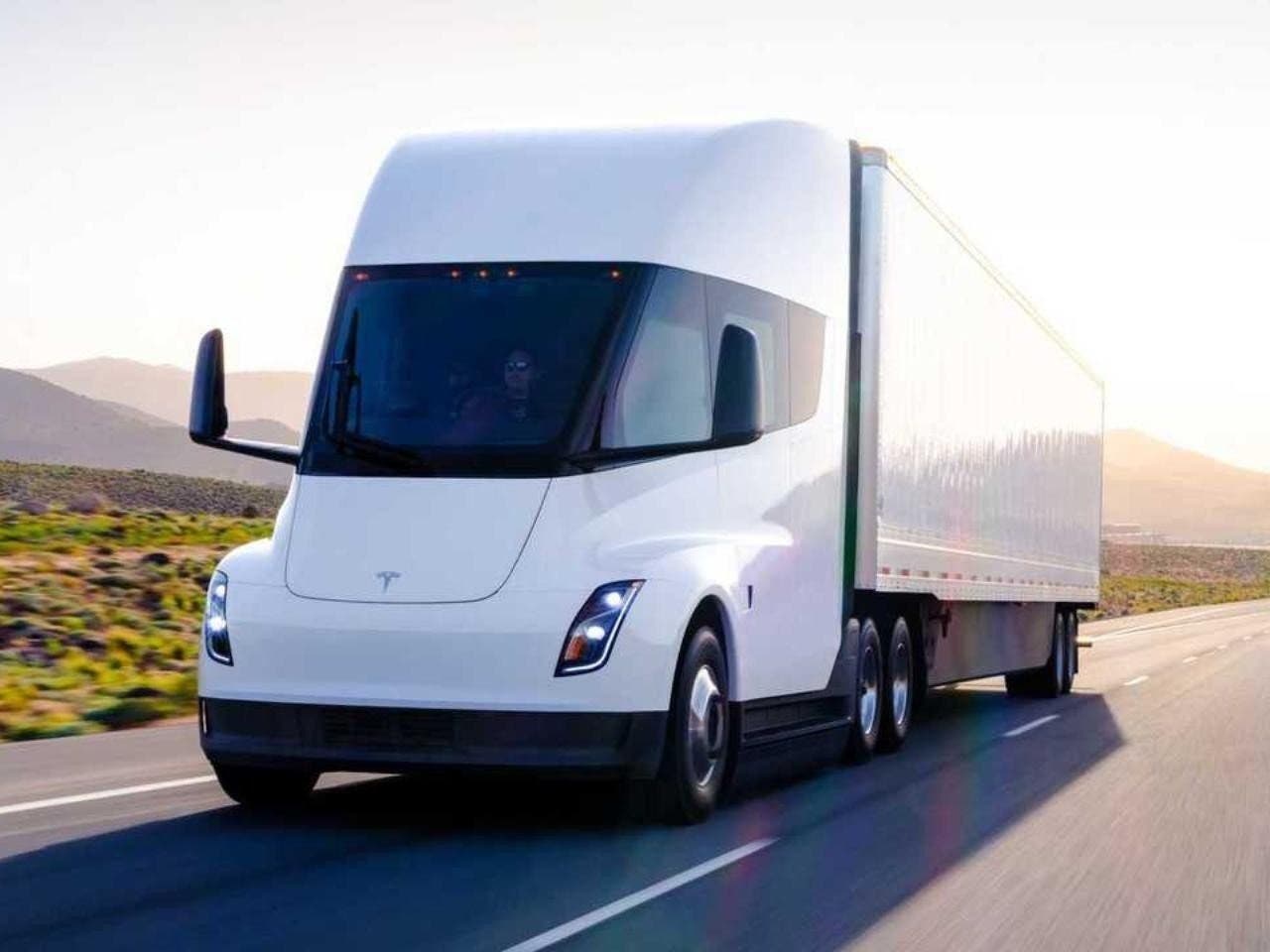
The Tesla Semi stands as one of the longest-running and most debated projects of the electric era. Tesla unveiled it in November 2017 alongside the new Roadster and initially targeted production for 2019. After years of delays, 2026 may finally mark the start of large-scale production, as confirmed by CEO Elon Musk.
Tesla Semi moves toward mass production in 2026 after long delays
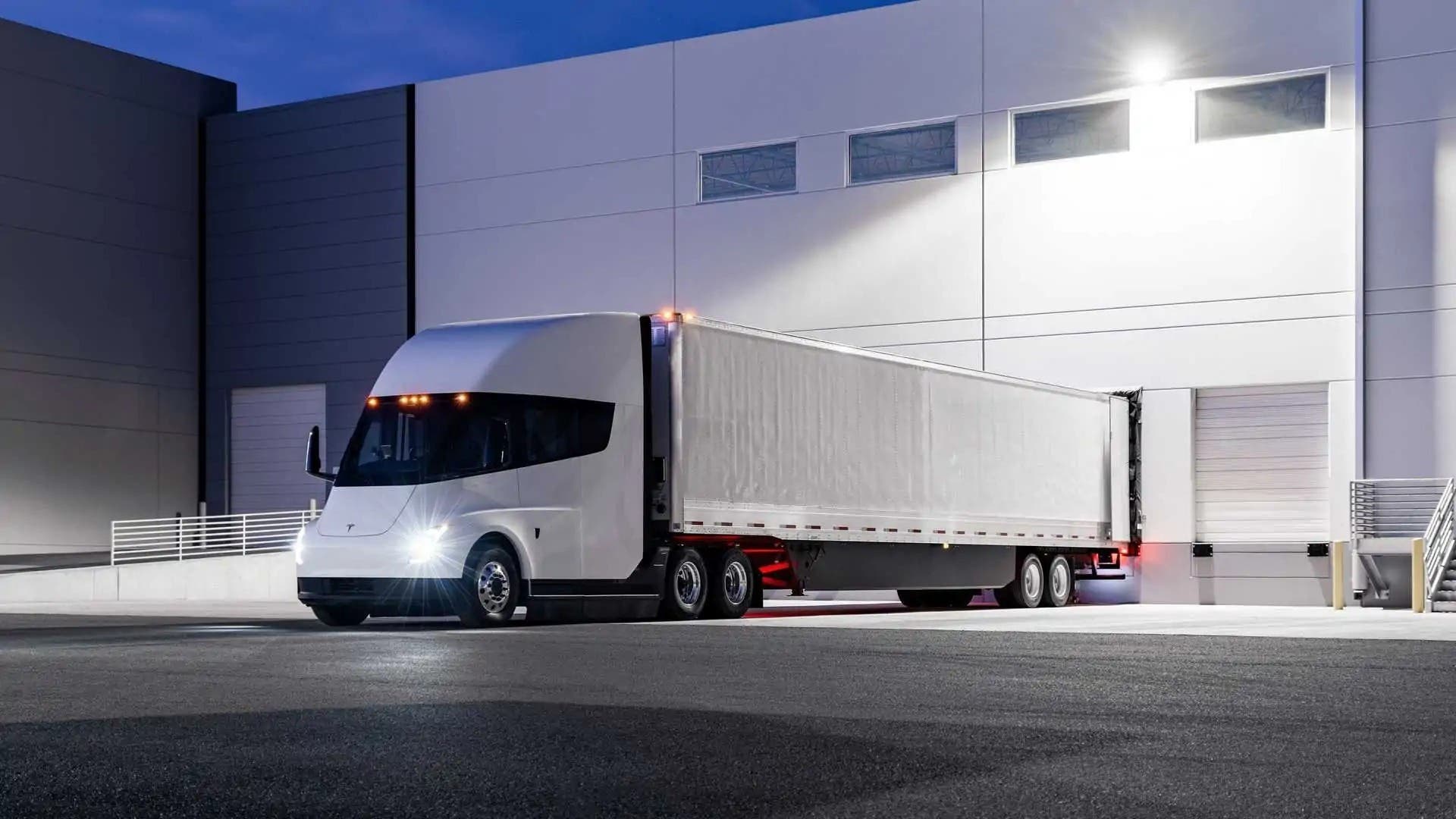
According to official statements, Tesla will increase Semi production during the year, while the company website lists the start of deliveries in 2026. Updated specifications now show a near-final configuration with two versions available, Standard Range and Long Range, both designed for long-distance heavy-duty transport.
The Standard Range version delivers about 325 miles of range at full load with a combined weight of 82,000 pounds. The truck uses three independent rear motors with total output around 800 kW, equal to more than 1,070 horsepower. Declared energy consumption stands at 1.7 kWh per mile, while charging through the Megawatt Charging System reaches 60 percent in about 30 minutes with power up to 1.2 MW. The model also includes Electric Power Take Off up to 25 kW to support auxiliary systems such as hydraulic pumps or climate control.
The Long Range version extends estimated range to about 500 miles per charge and suggests a significantly larger battery pack, likely around 900 kWh. Mechanical layout remains similar with three motors delivering 800 kW combined and the same energy consumption, while higher weight slightly reduces payload capacity. Charging characteristics match the standard version with similar time and power levels.
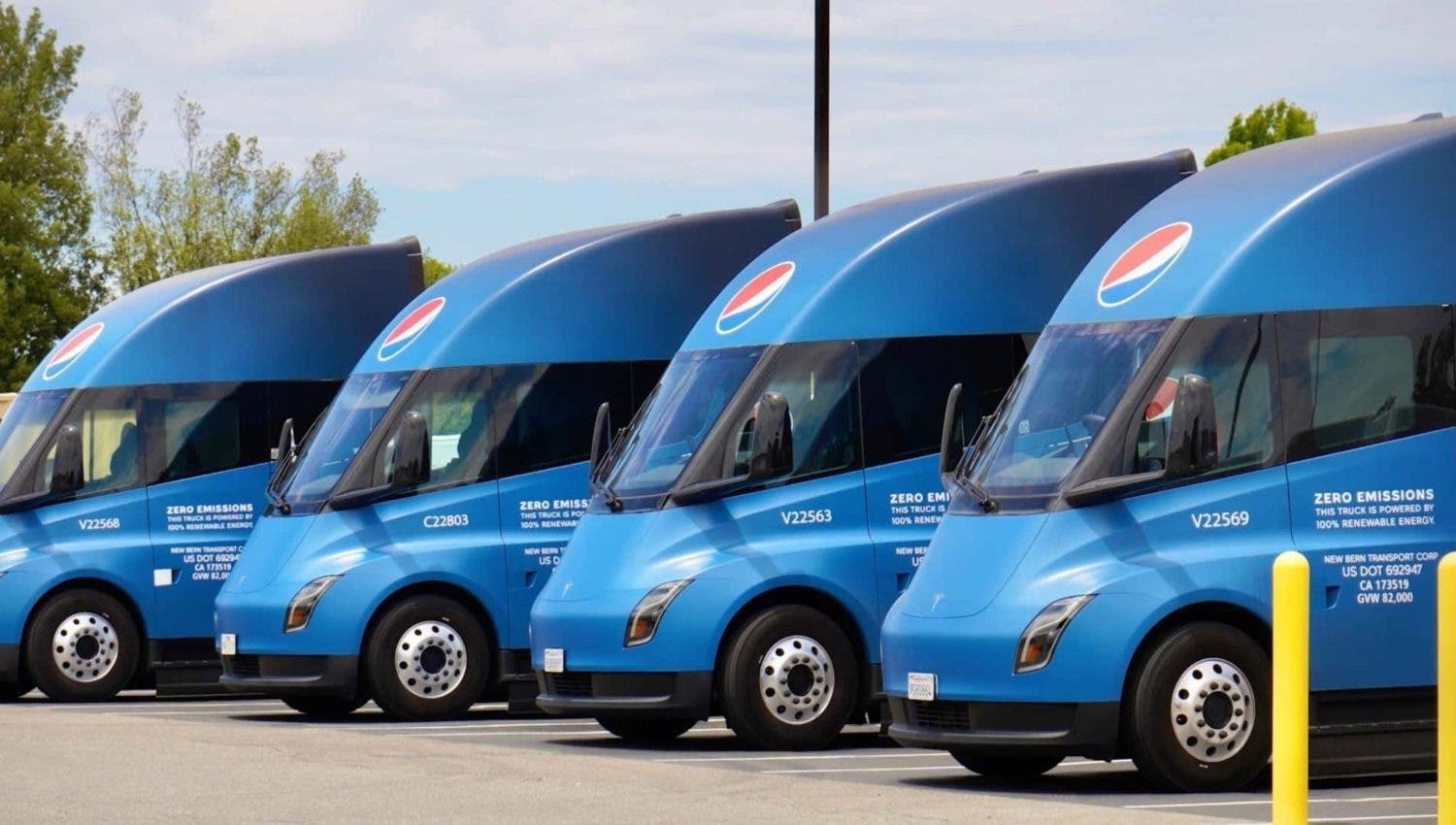
Semi production began in limited numbers in 2022 with the first deliveries to PepsiCo for pilot programs. Companies such as Walmart and DHL later received additional units, though Tesla never disclosed a final official price. At launch, Tesla indicated prices of 150,000 and 180,000 dollars for the 300-mile and 500-mile versions, yet a strong increase now appears likely, similar to the Cybertruck. A signal comes from customer Ryder, which reduced its order while keeping total investment unchanged, pointing to a significant rise in costs compared with early projections.