


The idea of turning the Cybertruck into an autonomous urban delivery vehicle reveals a clear misunderstanding of how logistics and commercial vans actually work. Yet this is exactly the proposal Elon Musk put forward during Tesla’s Q4 2025 earnings call, as he looked for a way to give purpose to a product that continues to pile up hundreds of millions of dollars in unsold inventory.
Why turning the Cybertruck into a delivery vehicle doesn’t make sense
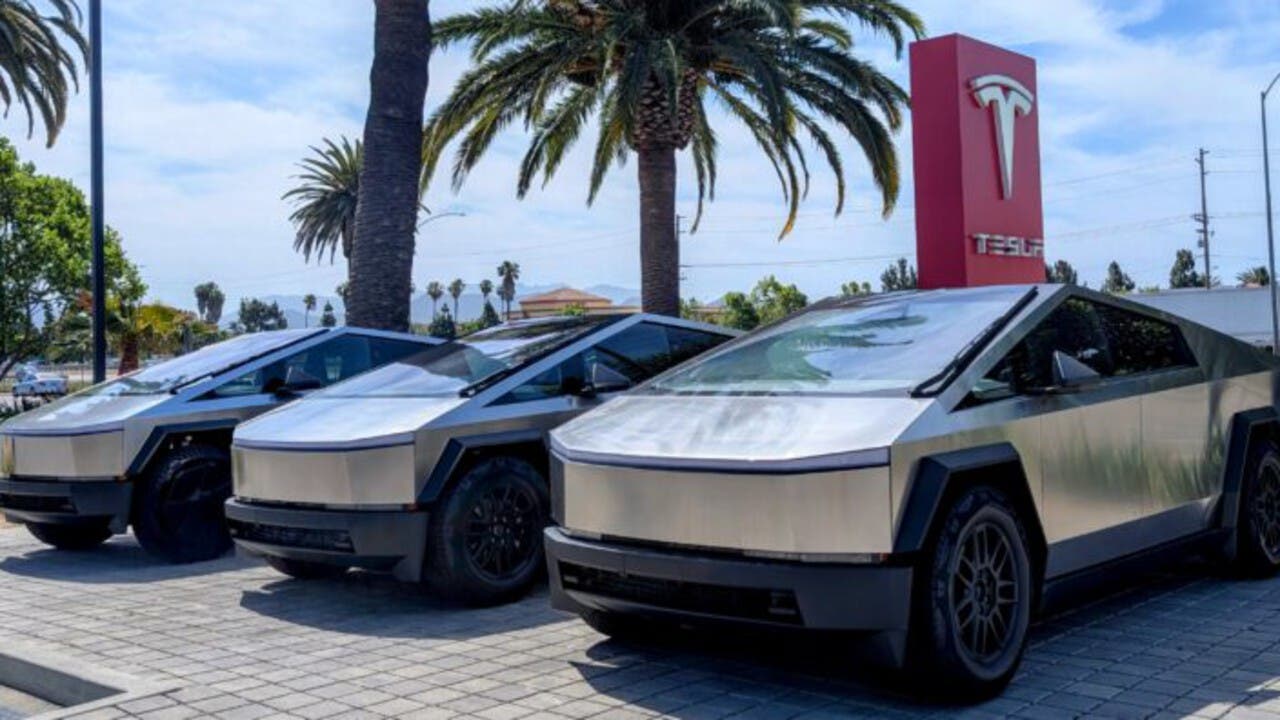
The issue surfaced when a shareholder asked a very direct question. He reminded Musk that Tesla had once promised to build a more conventional pickup if the Cybertruck failed to gain traction, and asked whether the company could develop a traditional design using the same platform and production lines. The question made sense, considering sales have fallen far short of expectations. Tesla has even started shipping vehicles to the United Arab Emirates and persuaded SpaceX to purchase tens of millions of dollars’ worth of Cybertrucks, clear signs of excess inventory.
Lars Moravy tried to defend the vehicle by claiming it remains the best-selling electric pickup. While technically true, that statement ignores the real issue. The Cybertruck does not compete with other electric pickups, it competes with gasoline-powered trucks, and in that comparison the numbers tell a very different story. Musk then suggested that Tesla could repurpose the production line to build fully autonomous Cybertrucks dedicated to local cargo delivery within urban areas.
The problem lies in the basic realities of commercial logistics. Vans look the way they do for very specific reasons. Logistics companies do not choose vehicles based on design appeal but on spreadsheets that measure efficiency in every possible way. A typical delivery van features a compact cabin, a large and box-shaped cargo area, enough interior height for drivers to stand up, a low floor for frequent entry and exit, and sliding side doors that work even in tight spaces.
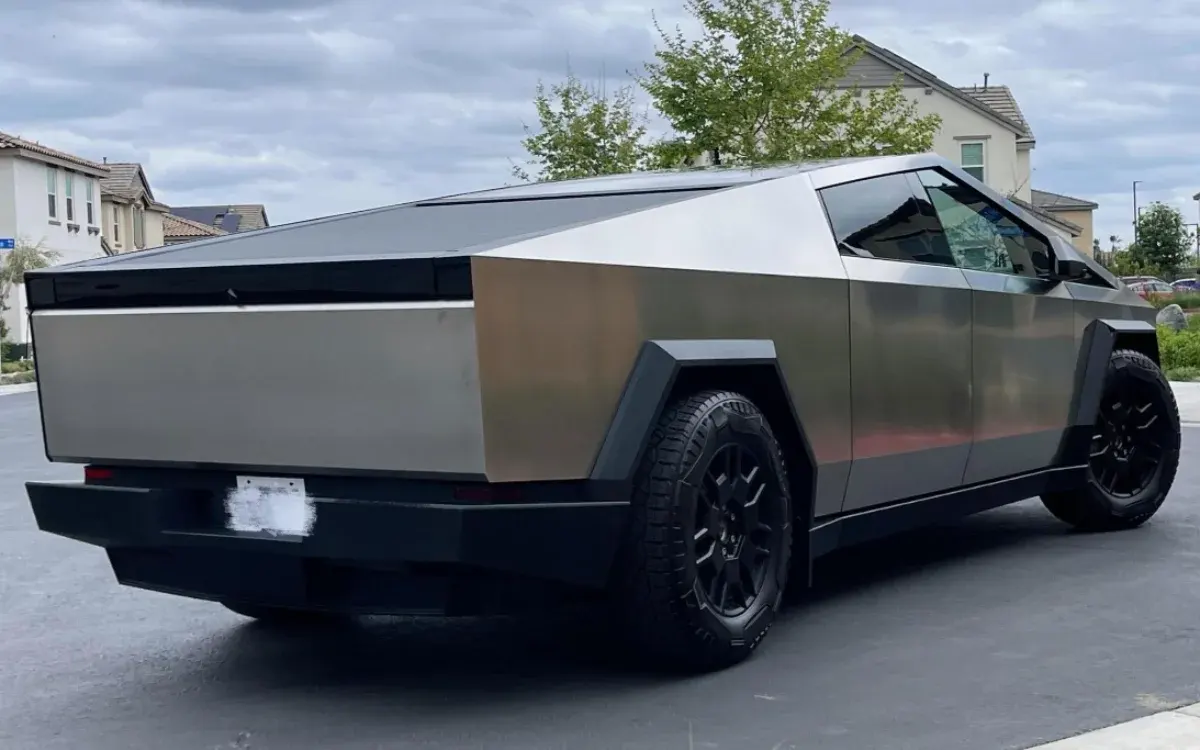
The Cybertruck does the opposite. It uses a covered triangular bed, wastes valuable space with a second row of seats, offers no direct access between the cabin and the cargo area, limits interior height, and relies on conventional doors that hinder repetitive delivery work. On top of that, it costs far more than a traditional commercial van while offering less usable cargo space and worse ergonomics.
Ergonomics matter deeply to logistics operators. U.S. Postal Service vehicles, for example, earn praise precisely because engineers designed them around repetitive daily use. As for the fully autonomous future Musk describes, Tesla has yet to prove it can deliver that technology. Even if it could, the practical issue would remain: how a human or a robot would efficiently retrieve packages from a triangular cargo bed.
Tesla recently confirmed the cancellation of the Model S and Model X, and given the declining sales figures, it would not be surprising to see the Cybertruck face the same fate in the near future.