

Tesla has signed a lease for an industrial building of around 63,400 square meters, or about 682,000 square feet, inside the Austin Hills Commerce Center. The second phase of the complex should reach completion by January 2027. Sansone Group and Principal Asset Management will develop the facility, and once construction ends, the center will cover around 130,000 square meters, equal to about 1.4 million square feet. Tesla has not disclosed how it plans to use the new space.
Tesla signs huge Austin lease, but its plans remain unclear
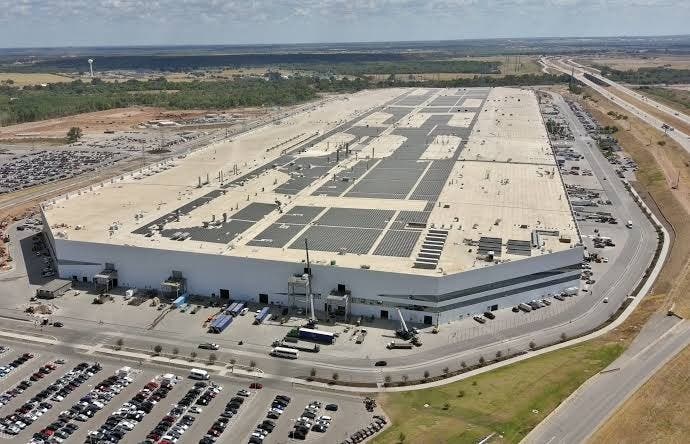
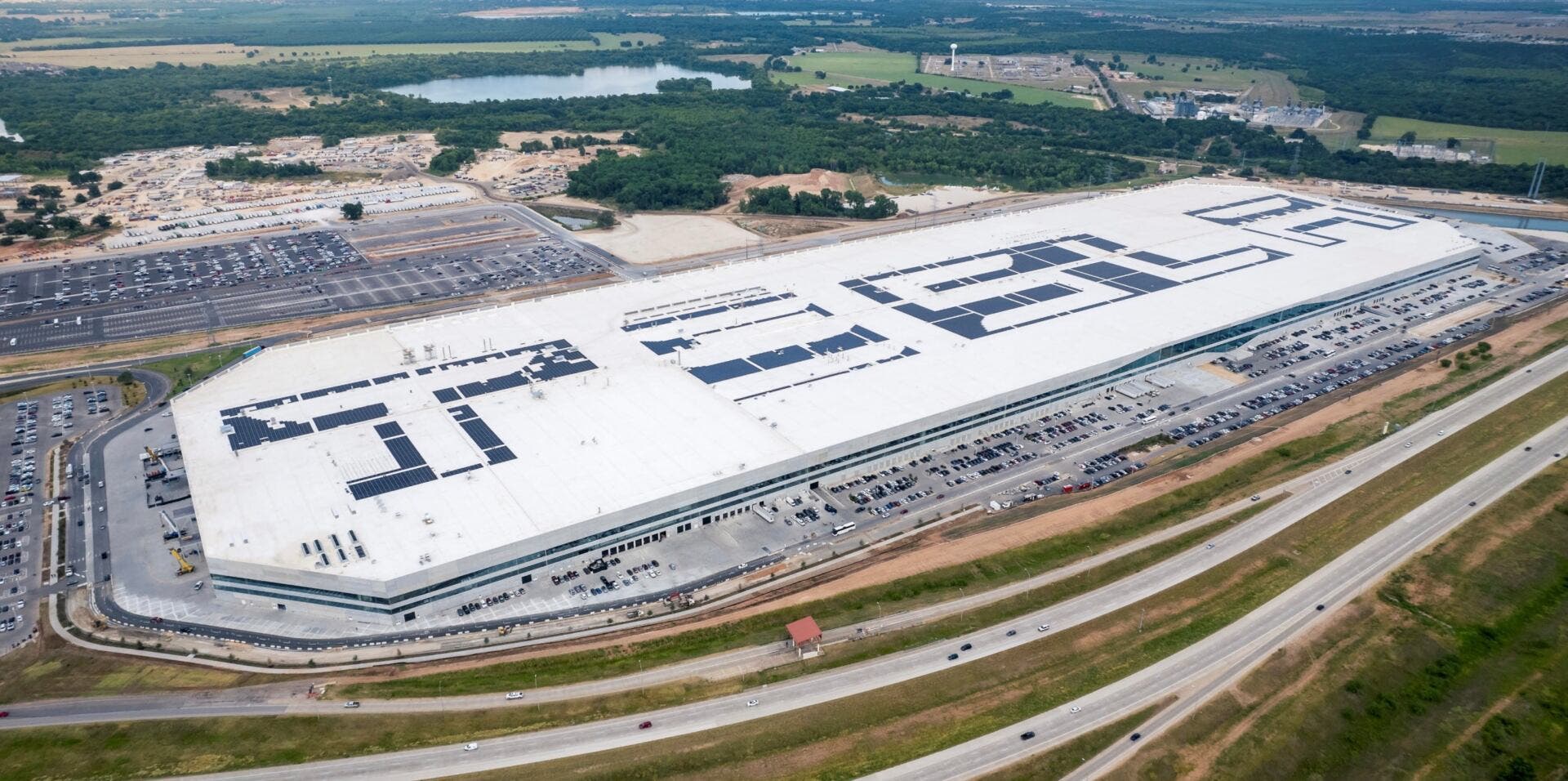
The deal adds to an already significant real estate portfolio in the Austin area. Companies linked to Elon Musk manage around 204,000 square meters, or about 2.2 million square feet, of leased space in the region and own more than 929,000 square meters, equal to roughly 10 million square feet. This footprint includes Giga Texas, xAI laboratories, and SpaceX infrastructure extending to Starbase in Cameron County. Central Texas has now become the operational center of gravity for much of the group’s industrial activity, and every new real estate move further strengthens this geographic concentration.
Tesla signed the lease directly, which points speculation toward a use linked to the company’s automotive operations or energy division. The space could support logistics, component storage, auxiliary production, or preparations for new operating lines. However, without official details, any specific interpretation remains speculative.
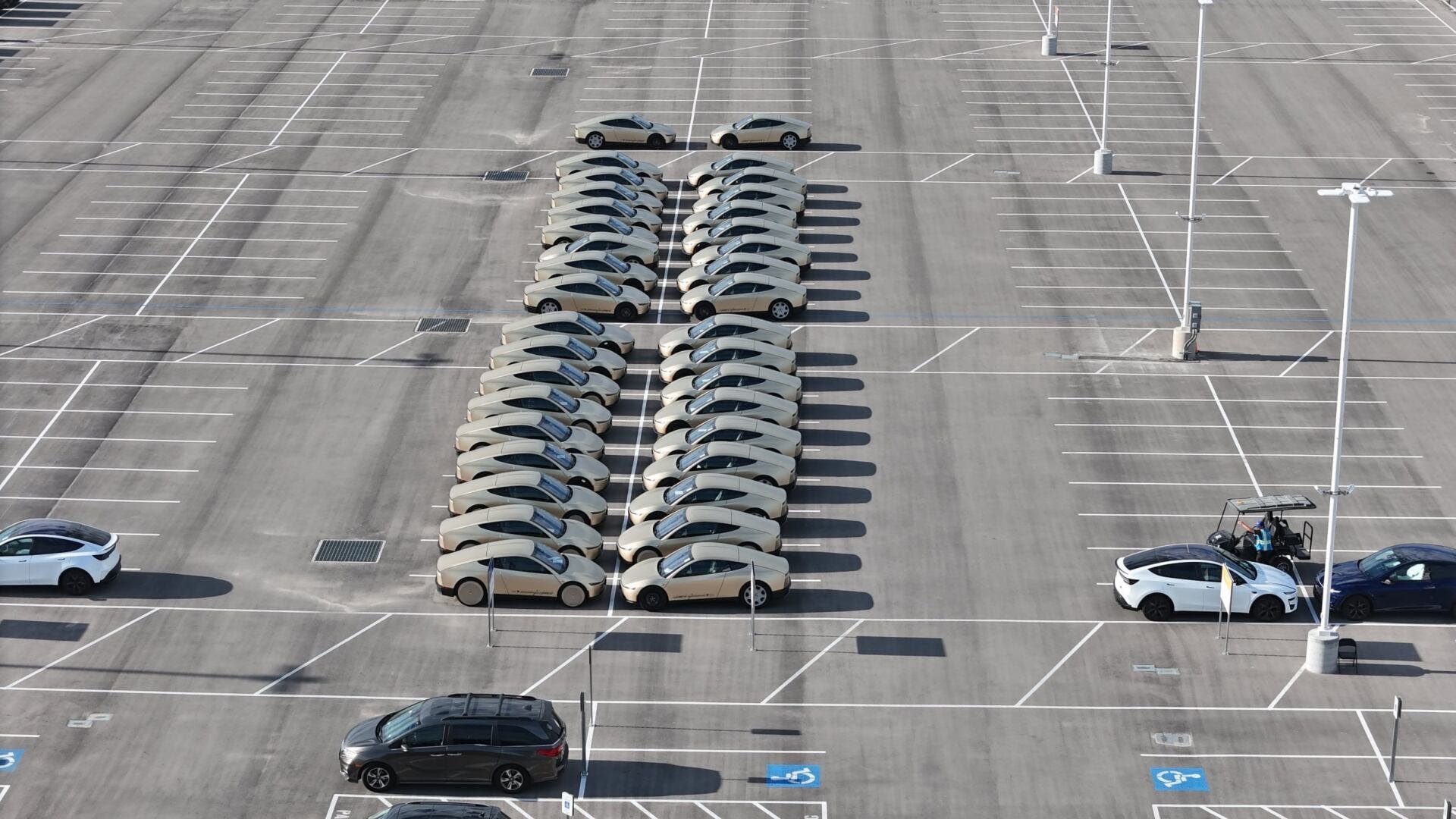
One of the possibilities naturally mentioned involves the Cybercab, Tesla’s steering wheel-free and pedal-free robotaxi, which plays a central role in the company’s medium-term strategy. With Giga Texas already handling production of current models, a nearby building could absorb part of the supply chain or host preparatory activities linked to the launch of the new vehicle. Even in this case, however, no evidence currently connects the real estate deal to a specific program.
The new lease comes at a time when discussions around Tesla vehicle demand, competitive pressure from Chinese manufacturers, and the timeline for autonomous driving regularly fuel contrasting analyses about the company’s health. Real estate data, however, shows a physical expansion path that continues without visible slowdown, at least in the Austin area. Unless construction delays occur, the 63,400-square-meter Austin Hills Commerce Center space should become operational in the first months of 2027.