

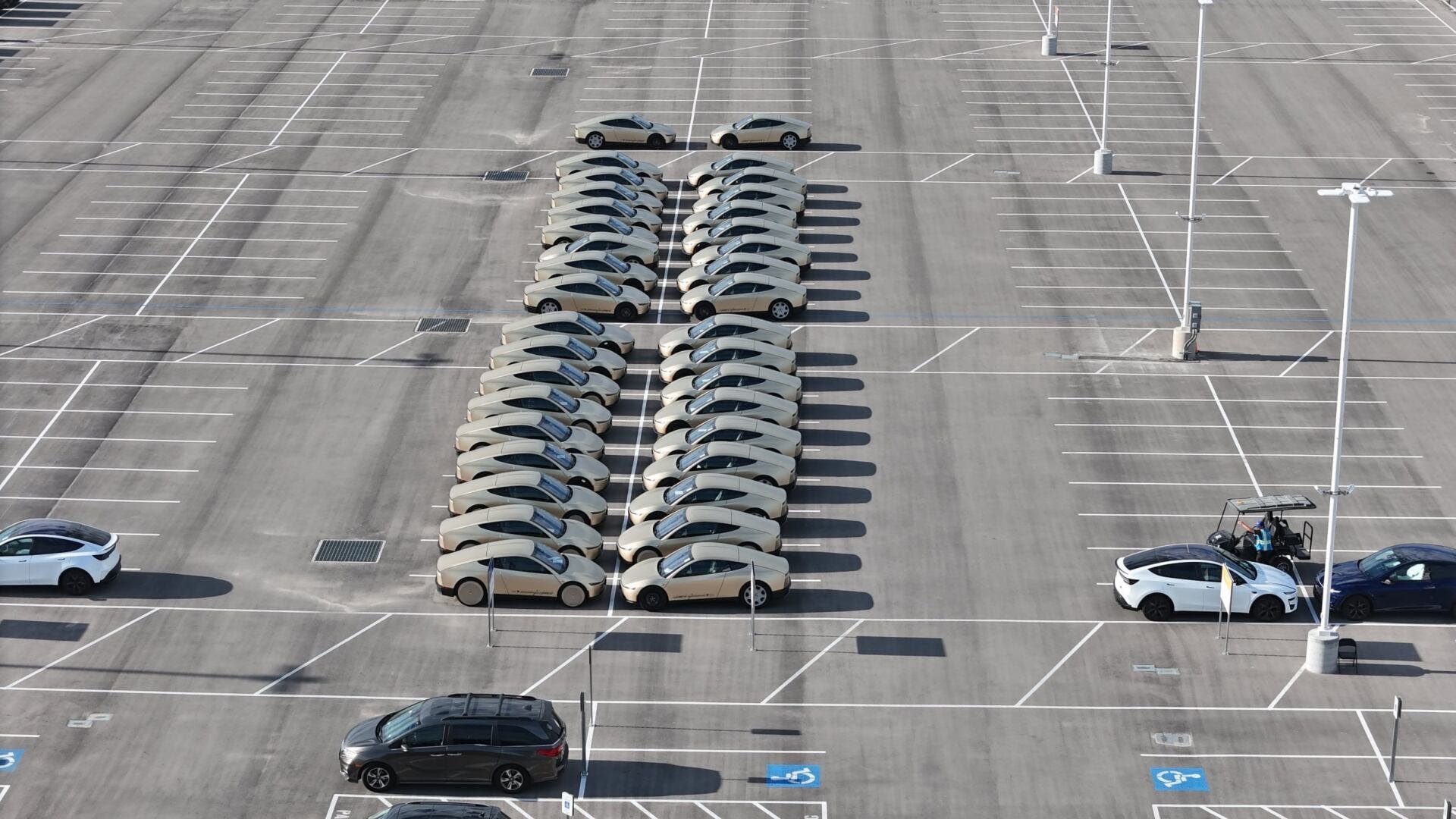
More than one hundred Cybercabs have already appeared in the lots of Tesla’s Gigafactory in Texas. Tesla designed the two-seat robotaxi without a steering wheel or pedals, and the production line works. However, the Cybercab’s real problem lies in the autonomous driving software, which still does not seem mature enough to let these vehicles drive without anyone on board ready to intervene.
Tesla Cybercab enters production, but it still cannot do its job
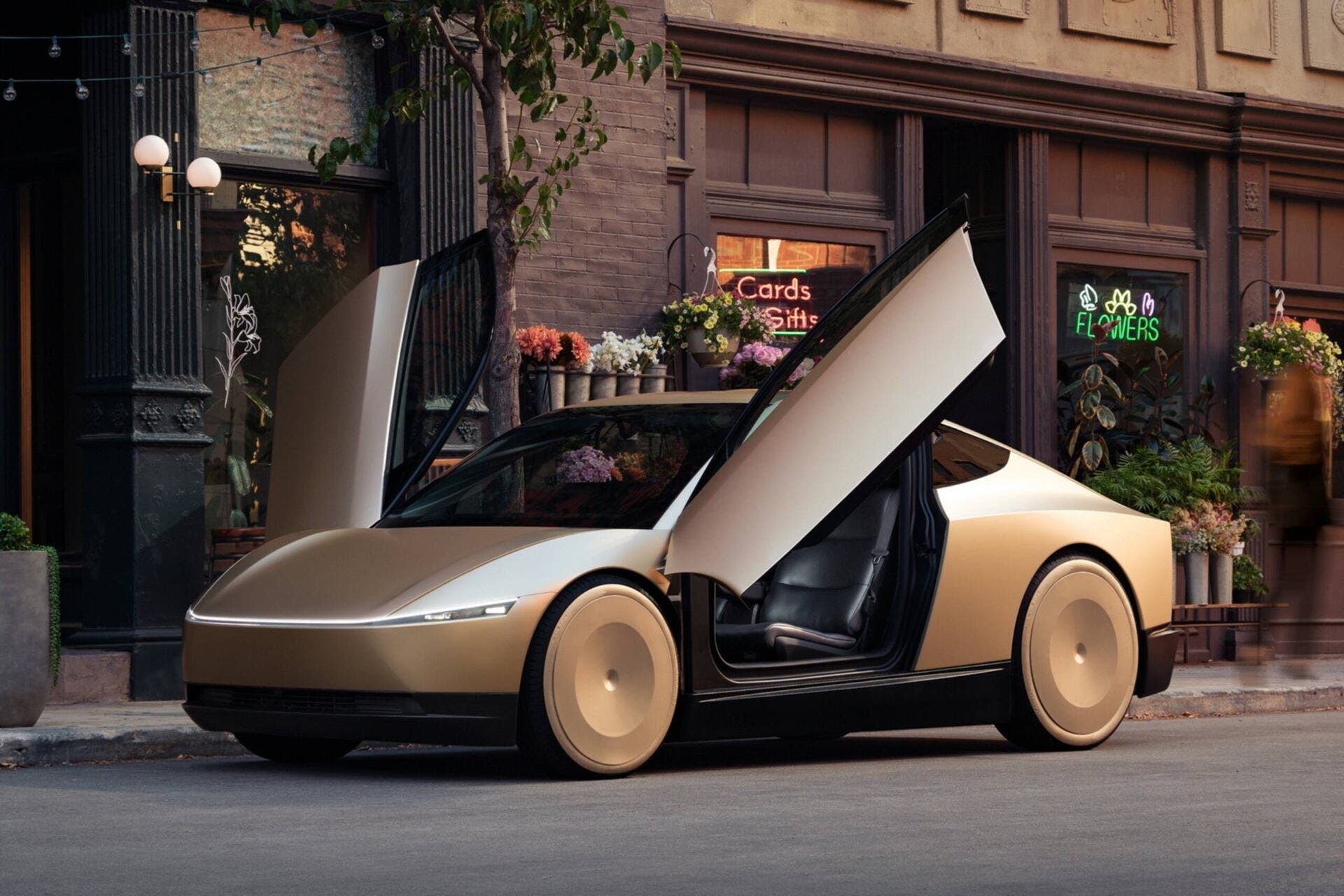
The Tesla Cybercab comes with a structural limitation. Since it has no manual controls, Tesla cannot sell it as a normal car or let a private customer drive it. For now, the units leaving the factory can only fill parking lots or support testing sessions until Tesla receives approval. They still cannot perform the only task they were designed for: moving through real traffic on their own.
Tesla’s robotaxi service, launched in Austin in 2025, also remains limited. The company has expanded its operating areas in Texas and has taken its first steps toward Miami, yet the fleets on public roads remain small compared with Elon Musk’s promises. Vehicle supply does not hold back the expansion. Instead, Tesla still needs to validate the safety of Full Self-Driving in fully autonomous mode, a milestone that current timelines do not place before late 2026 or early 2027.
U.S. rules are nevertheless moving in Tesla’s favor, as federal regulations gradually open the door to vehicles without traditional controls. This regulatory shift alone, however, will not be enough. Before Tesla can put the Cybercab on the road as a commercial product, it must prove that the vehicle can operate without human supervision at least within the areas covered by the service. At the moment, that proof still looks far away.
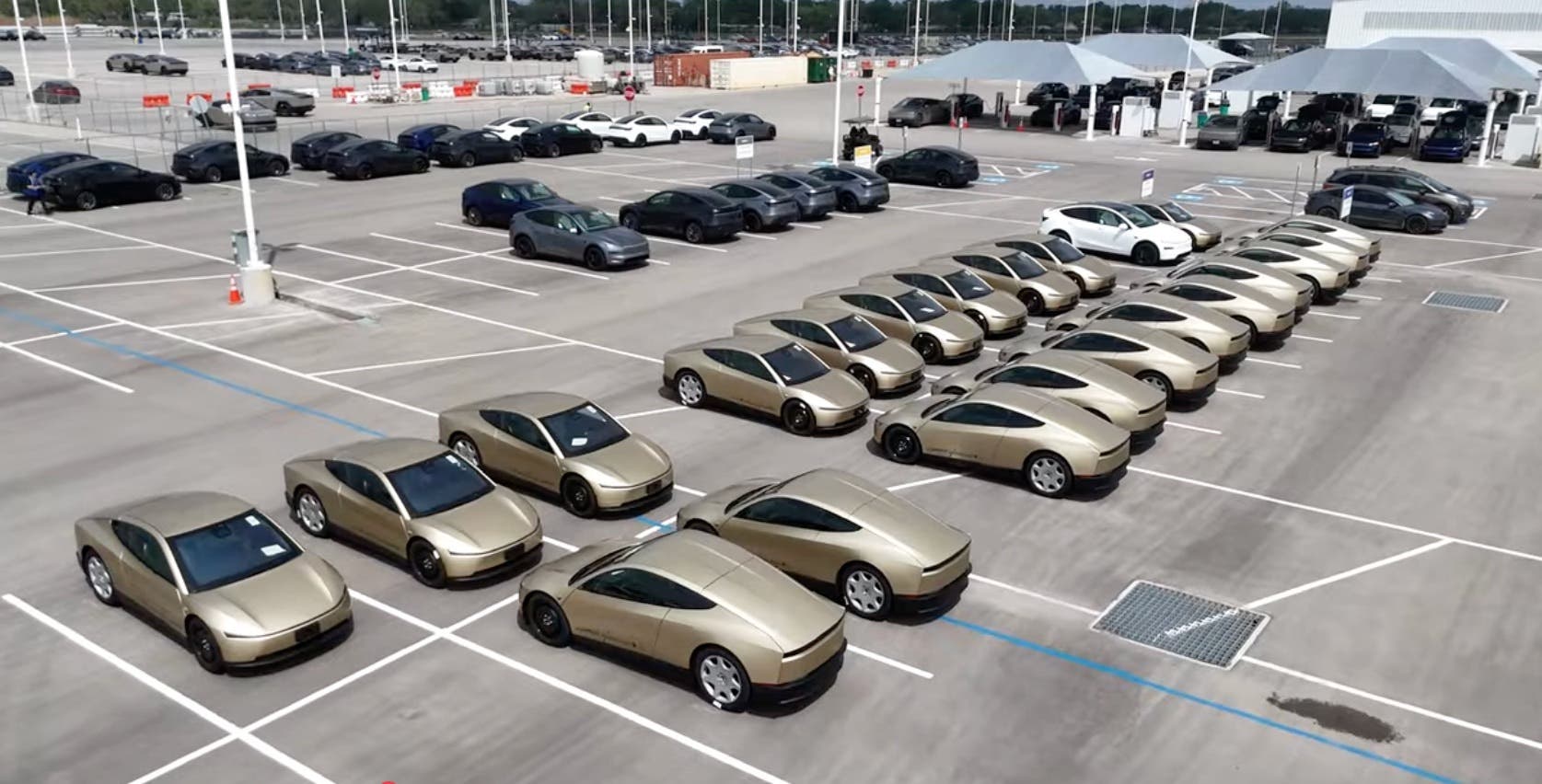
Tesla has already paid the price for moving too early with some decisions, such as removing the stalks behind the steering wheel on certain models and then bringing them back after customer complaints. With the Cybercab, however, the stakes are different. This vehicle was created to operate fully autonomously, with nobody on board able to intervene if something goes wrong and only remote operators available as a final layer of control.
If FSD, which has recently faced heavy criticism, truly reaches the reliability level Tesla promised, the Cybercab could become one of the most important products in the company’s history. Until then, however, the units now leaving the factory will probably remain parked in the lots, collecting dust.