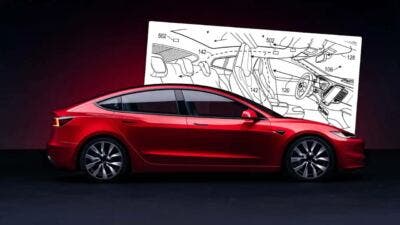
Tesla has filed a patent describing a climate-control system designed to selectively draw in hot air pockets that form inside the cabin, with the goal of reducing the energy used for cooling and, as a result, preserving more range in electric vehicles.
Tesla patents system to draw hot air from the cabin and boost EV range
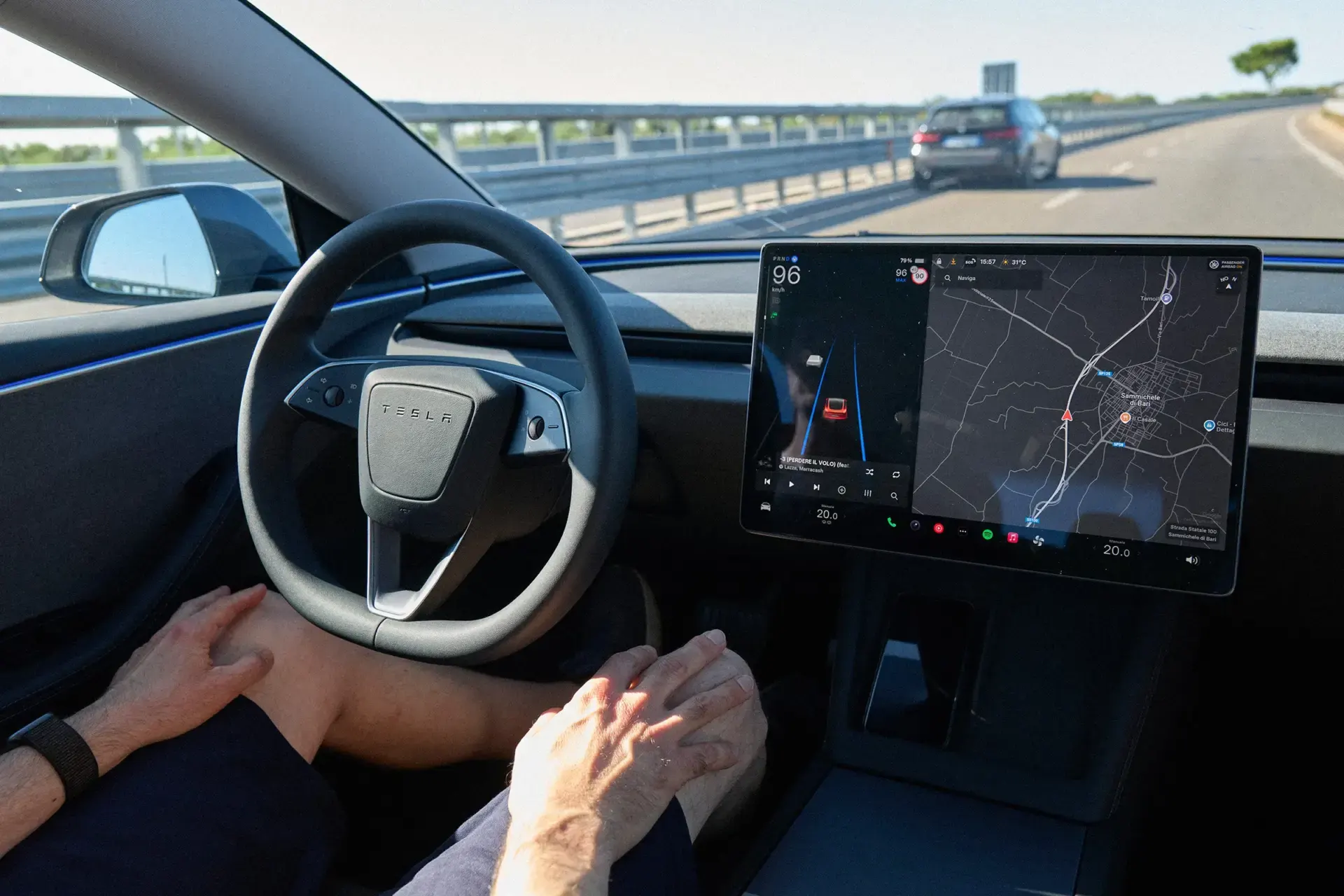
The operating principle relies on the integration of a suction unit into the HVAC system already installed on board. This unit can generate localized negative pressure. Through dedicated vents, the device would draw air from the areas of the cabin where heat tends to build up more intensely, then send it into the climate-control circuit to cool it and recirculate it. In practice, it would use a targeted approach rather than cooling the entire cabin air volume evenly, focusing resources where the heat is actually higher.
The critical areas identified in the patent include the space below the panoramic glass roof, which receives direct solar radiation, and the surfaces near the side windows. The issue becomes even more relevant in larger vehicles, where the system must manage a greater air volume, as in the Model X compared with the Model 3.
According to the estimates included in the document, this solution could reduce the climate-control system’s energy draw by up to 7.4%, saving about 127 watts in the most demanding conditions, with outside temperatures around 104°F. Peak cooling consumption would fall from 1,720 to 1,593 watts, a margin that could translate into a few extra miles of range on medium- or long-distance trips.
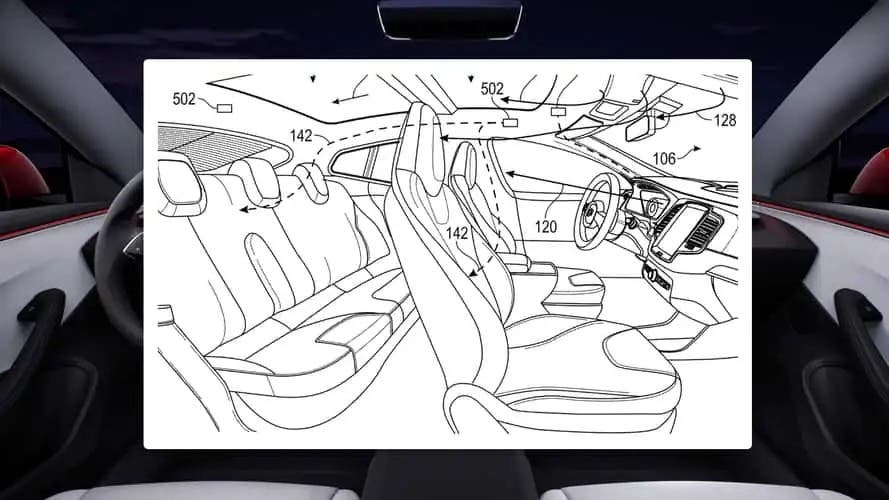
The patent also describes the use of internal sensors capable of detecting the thermal distribution across different cabin areas, activating suction only where heat reaches critical levels. At least on paper, this approach would further optimize the energy balance without compromising passenger comfort.
For now, this remains only a patent, and there is no certainty that Tesla will actually implement the system on a production model. Still, the approach is significant because it addresses energy efficiency without changing battery capacity, aerodynamics or the drivetrain. Instead, it focuses on an often underestimated but far from negligible factor, as air-conditioning use on very hot days can reduce an electric vehicle’s range by up to 18%, according to some industry analyses.