

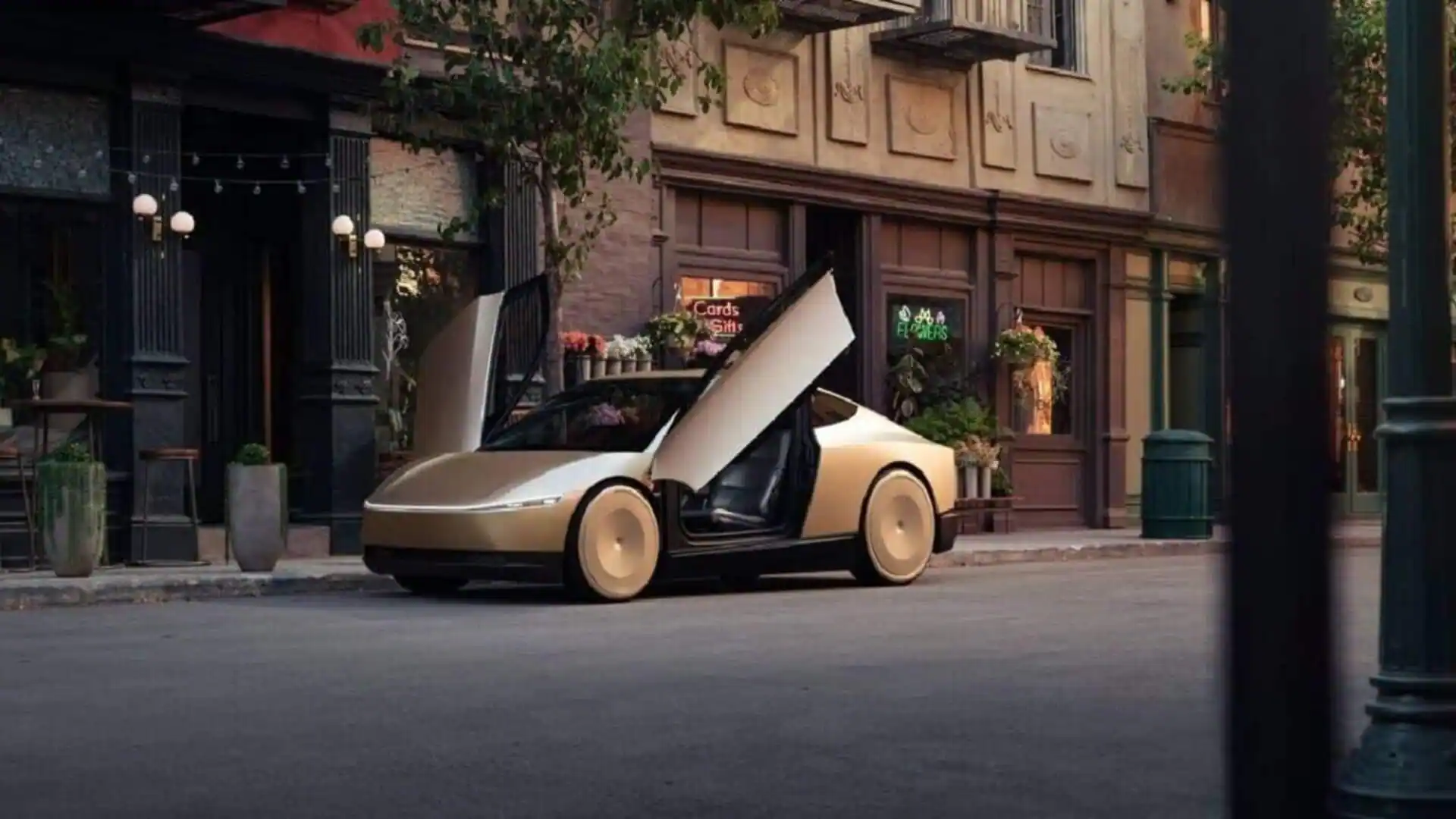
Tesla now sits at the center of a legal dispute with French company UNIBEV, which registered the Cybercab trademark before the American automaker. The European firm secured the name in spring 2024, several months ahead of Tesla, placing Elon Musk’s company in a legally complex position.
Thanks to priority rights granted under international intellectual property rules, UNIBEV currently holds ownership of the name across Europe. The situation creates particular pressure for Tesla, especially as robotaxi production has just begun at the Texas Gigafactory. Without swift legal action, the company could face the prospect of abandoning the name or negotiating a potentially costly financial agreement.
Tesla takes legal action after Cybercab trademark dispute in Europe
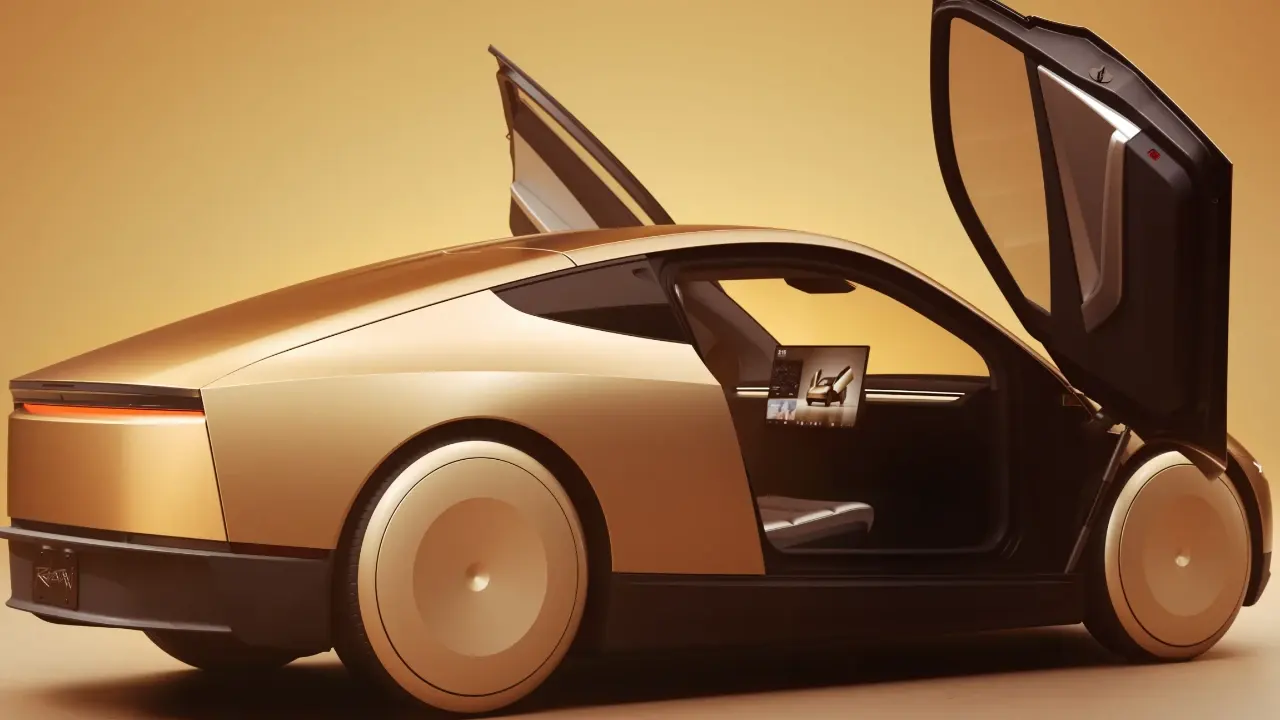
In the automotive industry, branding and communication often precede product launches by several years, which makes trademark protection a critical step. In this case, however, Tesla appears to have underestimated registration timing. On April 29, 2024, before the robotaxi project received an official unveiling, UNIBEV had already filed the Cybercab name with French authorities. Elon Musk had previewed the concept earlier, yet Tesla had not secured the trademark. When the company submitted its own application in November of the same year, priority rights had already been assigned.
UNIBEV founder Jean-Louis Lentali has carried out similar moves in the past. The entrepreneur previously registered names connected to Tesla and Elon Musk, including Teslaquila, along with attempts involving trademarks such as Cyberquad and Cybertaxi. Observers often associate this approach with trademark squatting, a practice in which individuals register brand names linked to major companies to negotiate their resale later.
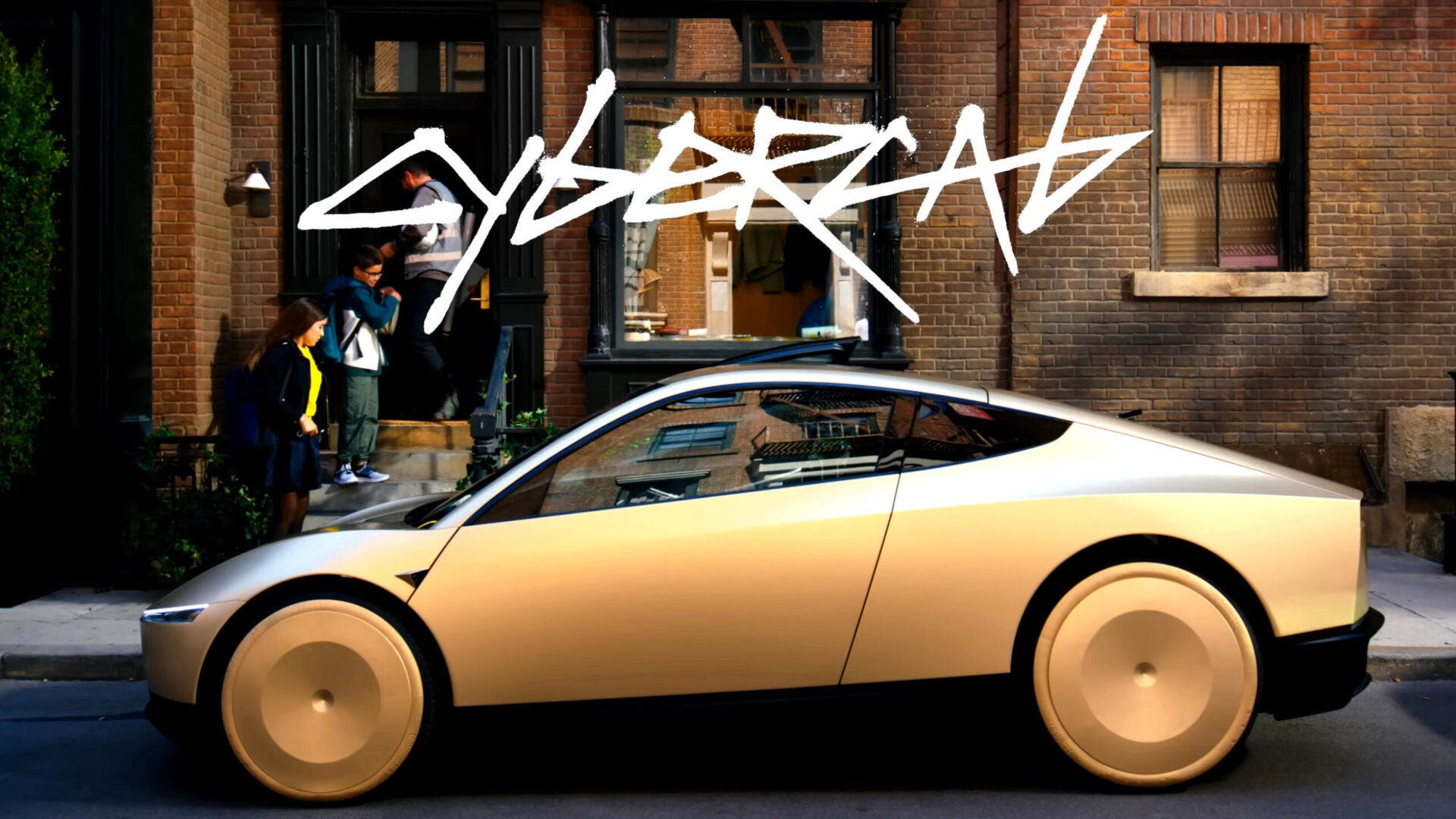
Tesla formally responded on February 18, 2026, by filing a detailed appeal with the US trademark office. In legal documents exceeding 160 pages, the company’s lawyers argue that the French registration occurred in bad faith and served speculative purposes.
Meanwhile, the dispute overlaps with the project’s industrial development. The first production robotaxi left the Texas assembly line in mid-February 2026, just as the legal battle over the name intensified.
To reduce further risk, Tesla has already moved to secure alternative names such as Cybercar and Cybervehicle, both referenced in recent public communications from Elon Musk. Even so, many analysts consider a prolonged court battle unlikely. With the commercial launch approaching, an out-of-court settlement remains the most realistic outcome, allowing Tesla to obtain exclusive rights to the Cybercab name and close the dispute surrounding one of the company’s most important projects.