

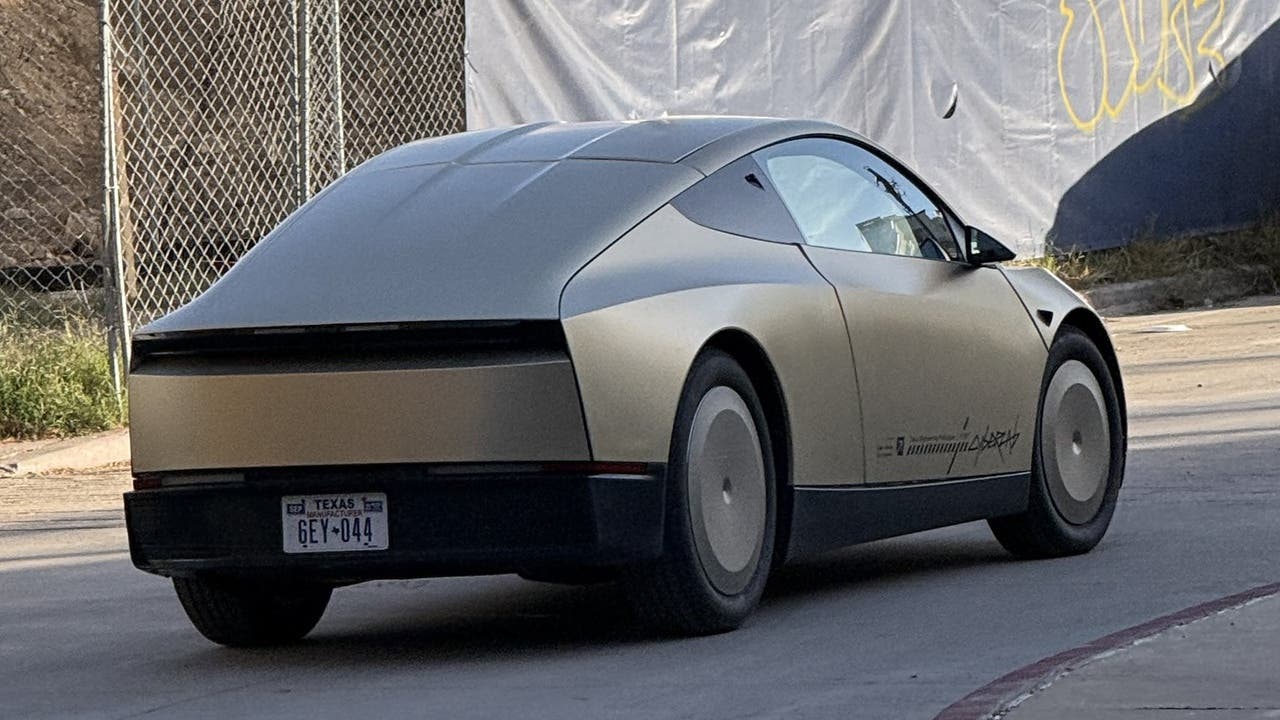
So, it finally happened. After years of promises that sounded more like sci-fi scripts than industrial plans, the first Tesla Cybercab has officially rolled off the line at Giga Texas. Elon Musk, the man who treats deadlines like mere suggestions, has finally given the world a physical manifestation of his “autonomous-or-bust” obsession.
Built in the heart of Austin, this stainless-steel wedge is Tesla’s loud, pedal-less declaration that the future doesn’t need drivers, or apparently, a sense of design that appeals to anyone born before the year 2050.
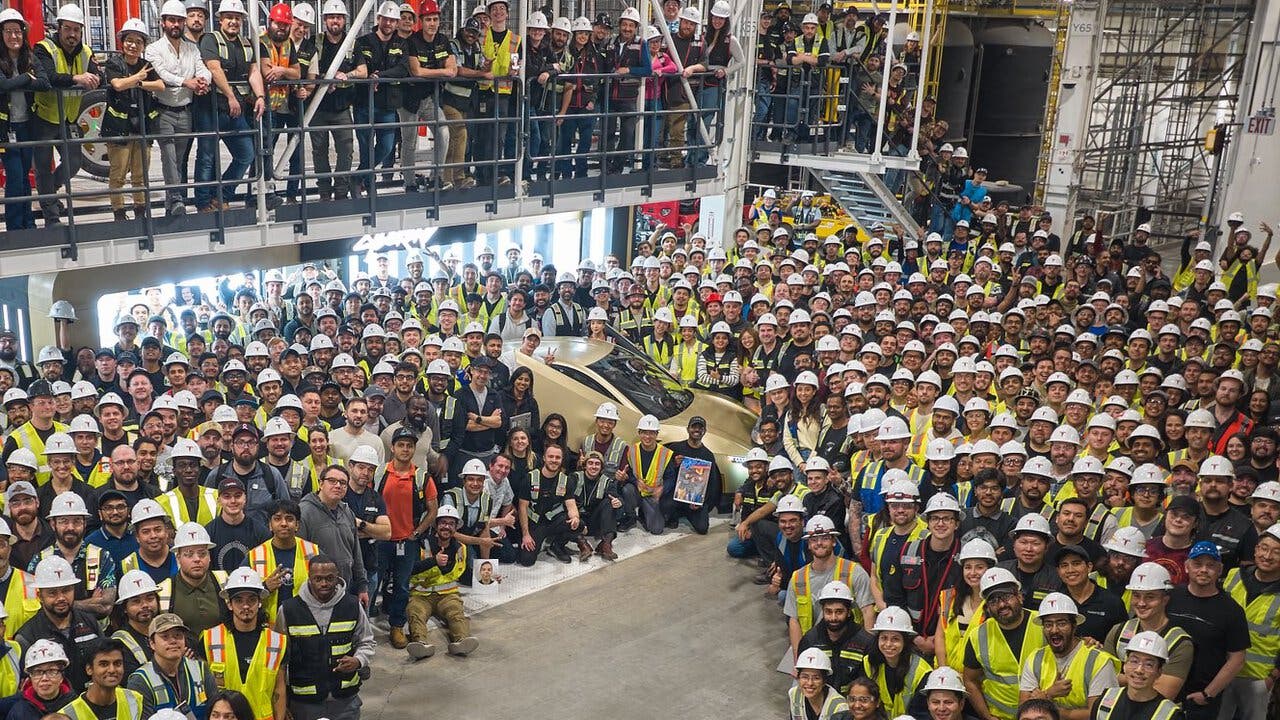
Let’s talk numbers, because in the land of the “everything-app” and trillion-dollar valuations, the data is the only thing keeping us grounded. This Texas-born Cybercab is the vanguard of a fleet intended to turn every parking lot into a relic of the past. It’s sleek, it’s futuristic, and it’s missing two very traditional components: a steering wheel and pedals. Tesla is betting the entire farm on Full Self-Driving (FSD) technology, banking on the idea that the software is finally ready to stop acting like a nervous teenager and start acting like a professional chauffeur.
While Giga Texas celebrates this production milestone, the rest of us are left wondering where these robotaxis will actually drive. Regulatory hurdles are higher than a SpaceX Falcon 9, yet Tesla pushes forward with the “unboxed” manufacturing process. It’s a masterpiece of engineering, or a monumental gamble, depending on whether you believe a camera-only system can navigate a rainy day in Manhattan without a human brain to override the glitches.
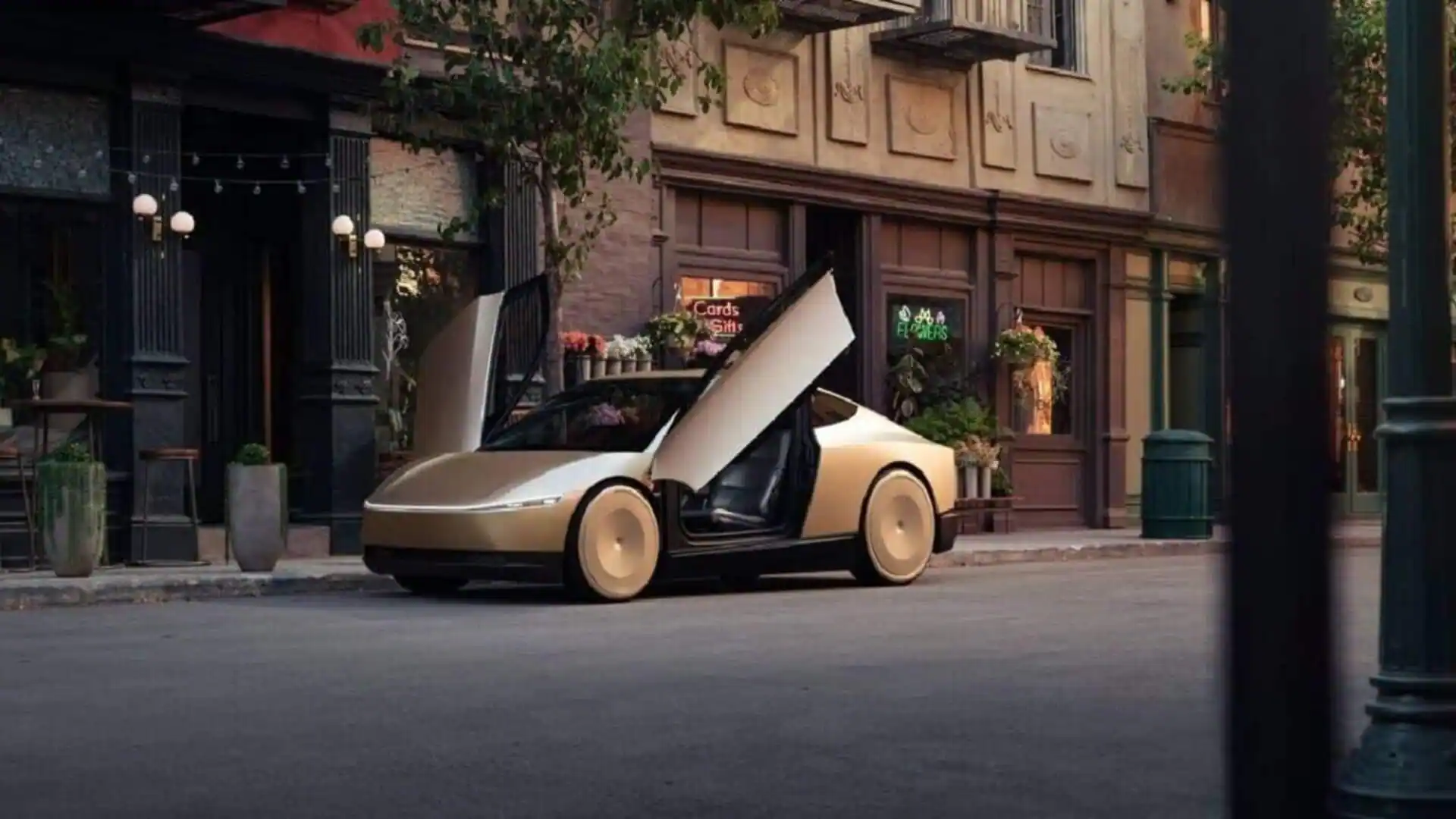
The Cybercab represents the ultimate Muskian dream. A car that earns money while you sleep. It’s a bold vision, wrapped in Texas steel and powered by enough AI hype to launch a thousand startups. Whether it becomes the backbone of global transit or remains an expensive curiosity for tech bros in Austin is yet to be seen.