

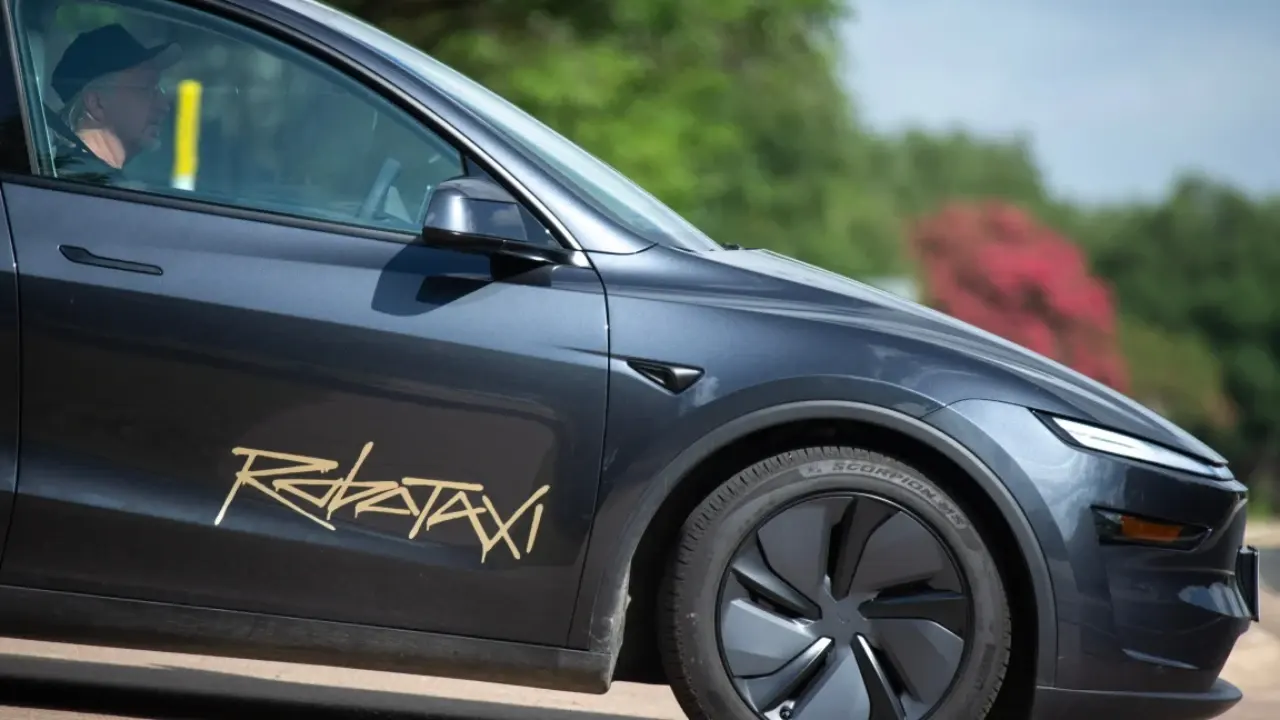
Eight months ago, Tesla launched its robotaxi service in Austin to test operations and refine autonomous driving for the future Cybercab. Since then, vehicles in the program have recorded 14 incidents, according to data collected by the National Highway Traffic Safety Administration.
Tesla autonomous robotaxi record 14 incidents while expanding service
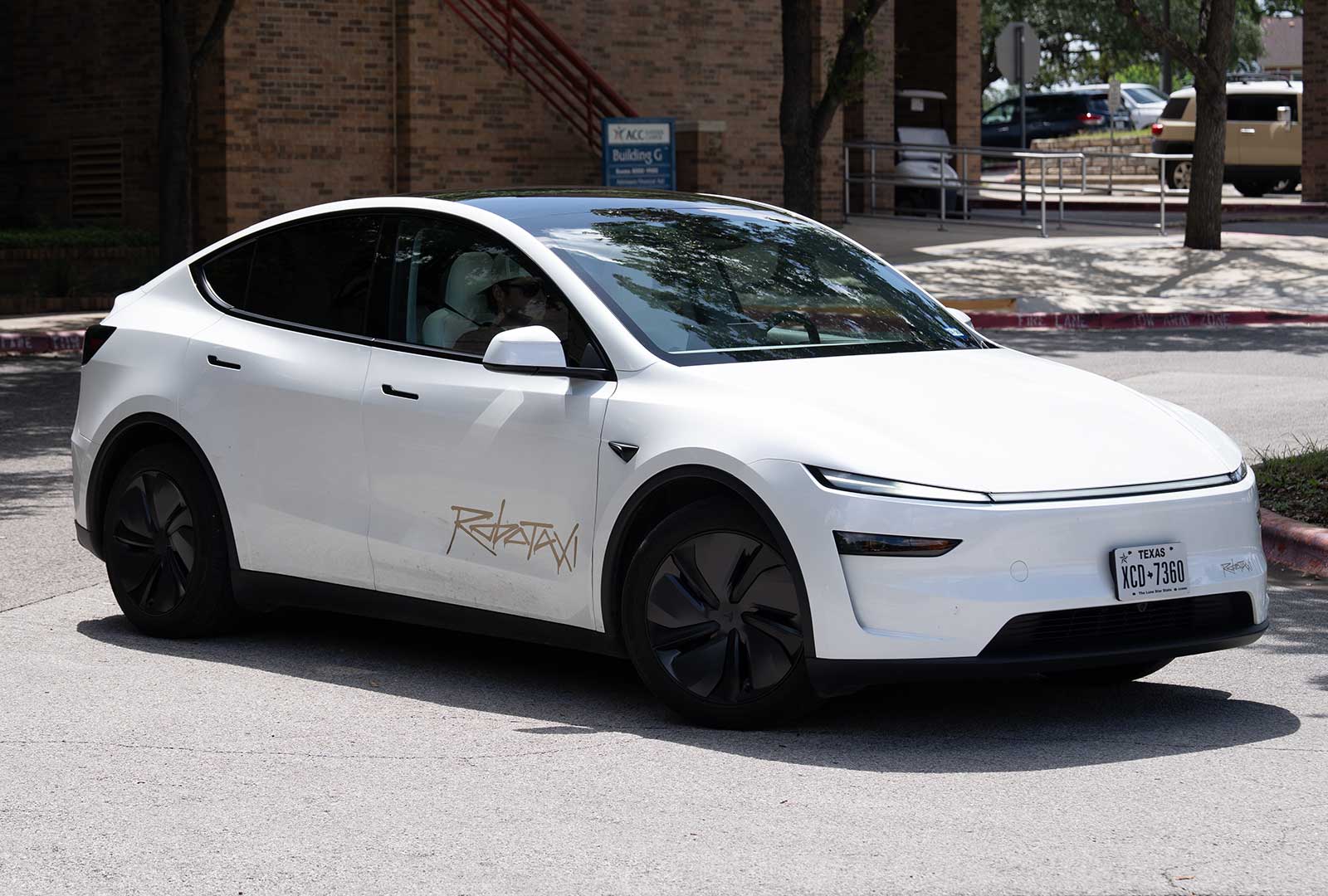
The first crash occurred just one month after the official launch in June 2025, when the cars still operated with a safety driver onboard as required by regulations. In July, another incident involved injuries, and in December a further crash caused minor injuries and led to a hospital visit. That same month, Tesla took a major step forward by deploying a limited number of robotaxis without anyone behind the wheel. In the last month alone, five additional incidents occurred, plus one earlier case reported only later. Not all cases appear linked to Tesla responsibility. In at least one January episode, an Austin city bus struck a parked robotaxi.
The exact number of vehicles currently operating in Austin remains unclear. Elon Musk recently mentioned around 500 robotaxis circulating between Austin and San Francisco, with plans to expand the service to seven more cities by the end of the third quarter of the year. Meanwhile, the first Cybercab has rolled off the production line at Giga Texas, a vehicle designed specifically for the service and very different from the Model Y used during the pilot phase.
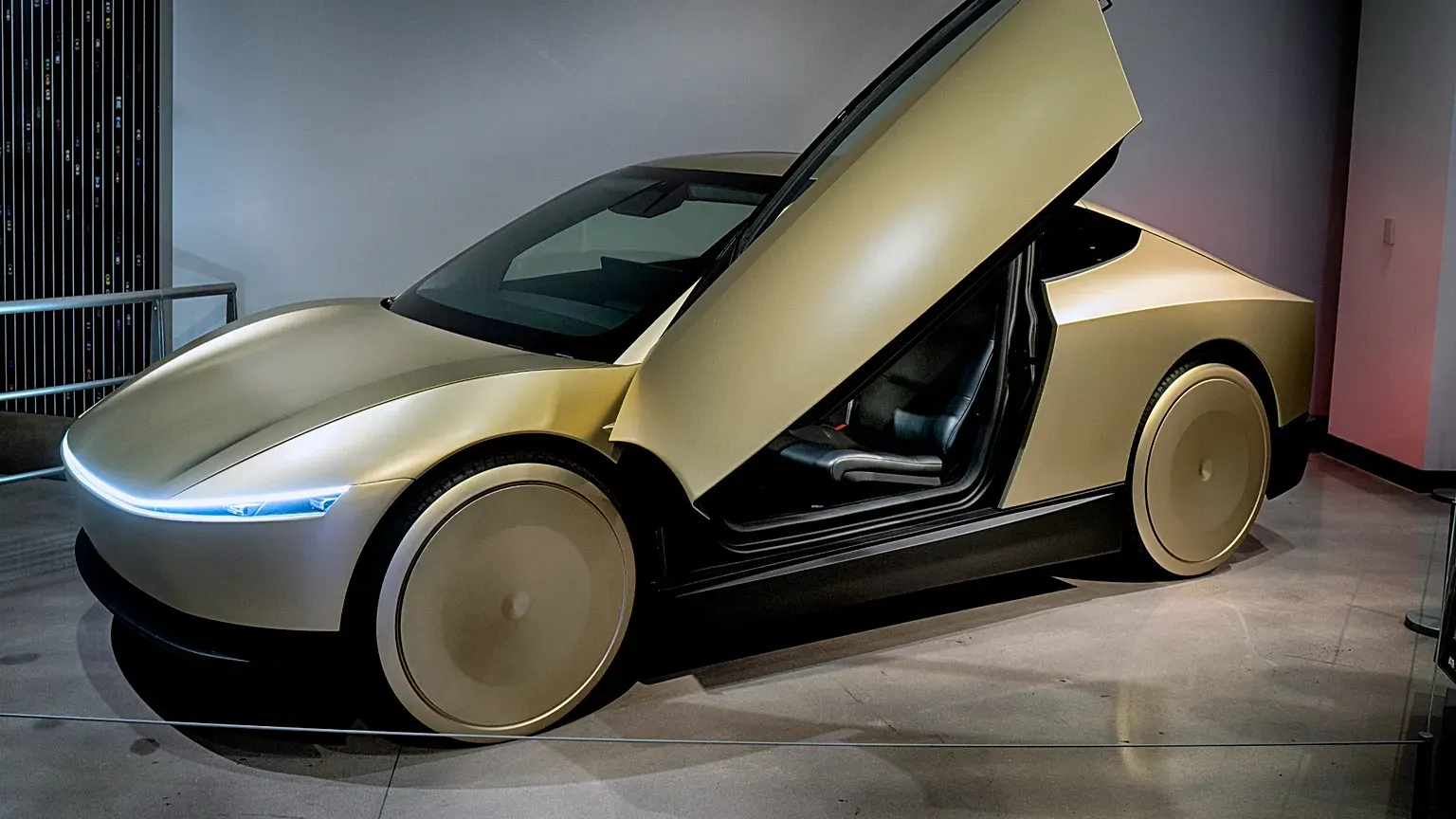
The most striking difference is the absence of a steering wheel and pedals. This radical choice relies entirely on full autonomy and targets a market price of about $30,000. Musk has long believed that a dedicated autonomous ride-sharing fleet could become one of Tesla’s main revenue sources, yet every new incident inevitably reignites the debate over how ready this technology truly is for public roads.