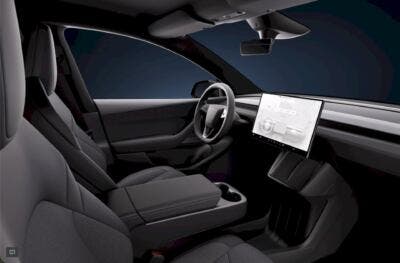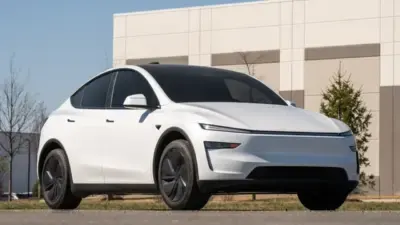
EV registrations in the United States in April 2026 show a market that still declined compared with the previous year, but the drop slowed significantly after the heavy results recorded in January, February and March. In this context of possible stabilisation, Tesla strengthened its position with 45,800 units, equal to more than half of all American EV registrations. The figure carries weight, especially considering the growing offer from General Motors, Ford, Hyundai, Kia, Volkswagen and other manufacturers, which have expanded their battery-powered line-ups in recent years with SUVs, pickups and saloons.
Tesla regains share in the US electric market as rivals struggle to keep pace
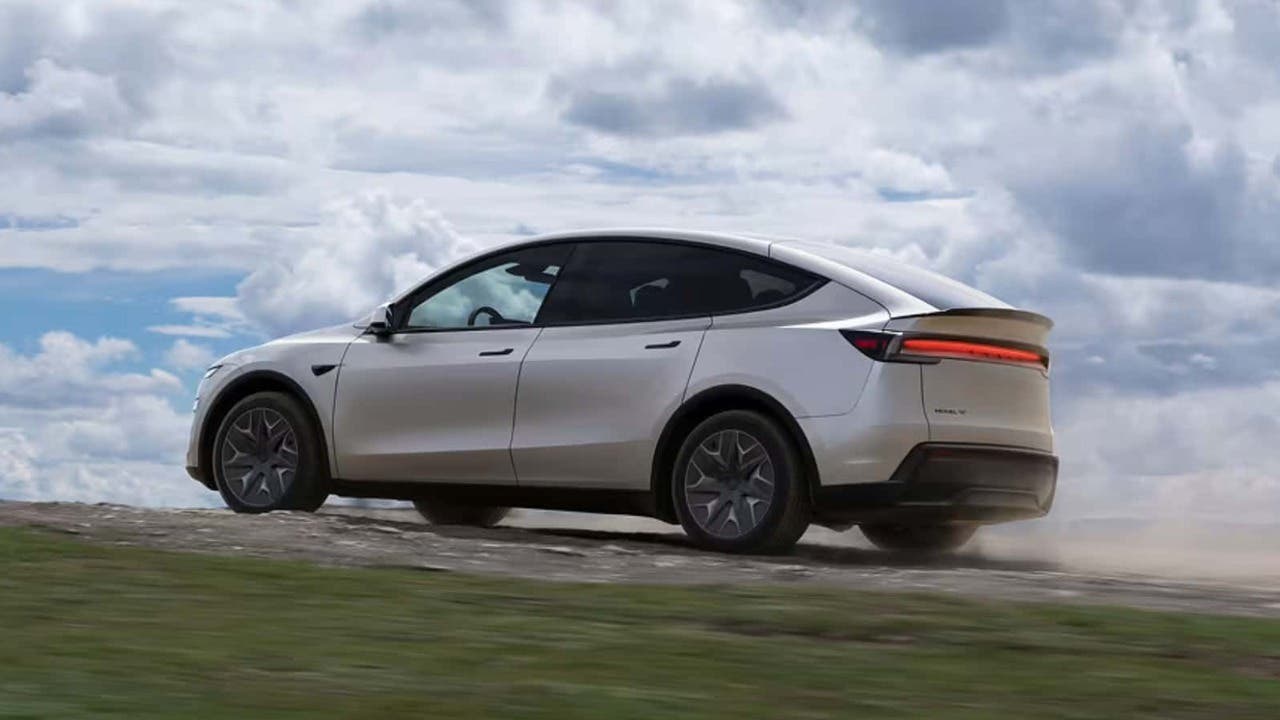
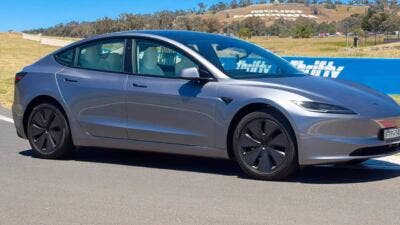
The number of available alternatives has increased, but not every manufacturer has managed to turn that wider choice into real volumes. Several rival models still struggle to find buyers because of high prices, limited availability or less effective commercial strategies. Tesla, meanwhile, continues to benefit from the strength of the Model Y, which remains one of the best-selling electric vehicles in the American market with 31,000 registrations. Its success comes from a well-established balance between price, range and integration with the Supercharger network. The Model 3 also continues to contribute significantly to the Californian brand’s overall volumes.
A large part of Tesla’s strength comes from the ecosystem it has built around its cars. The proprietary charging network, remote software updates and a familiar buying experience all play an important role, especially for customers approaching electric mobility for the first time and looking for a simpler path. Traditional manufacturers have found the challenge more complex than expected, because entering the EV segment requires more than competitive models. It also requires convincing range, accessible charging infrastructure and a retail network capable of explaining a product that works very differently from a combustion car.
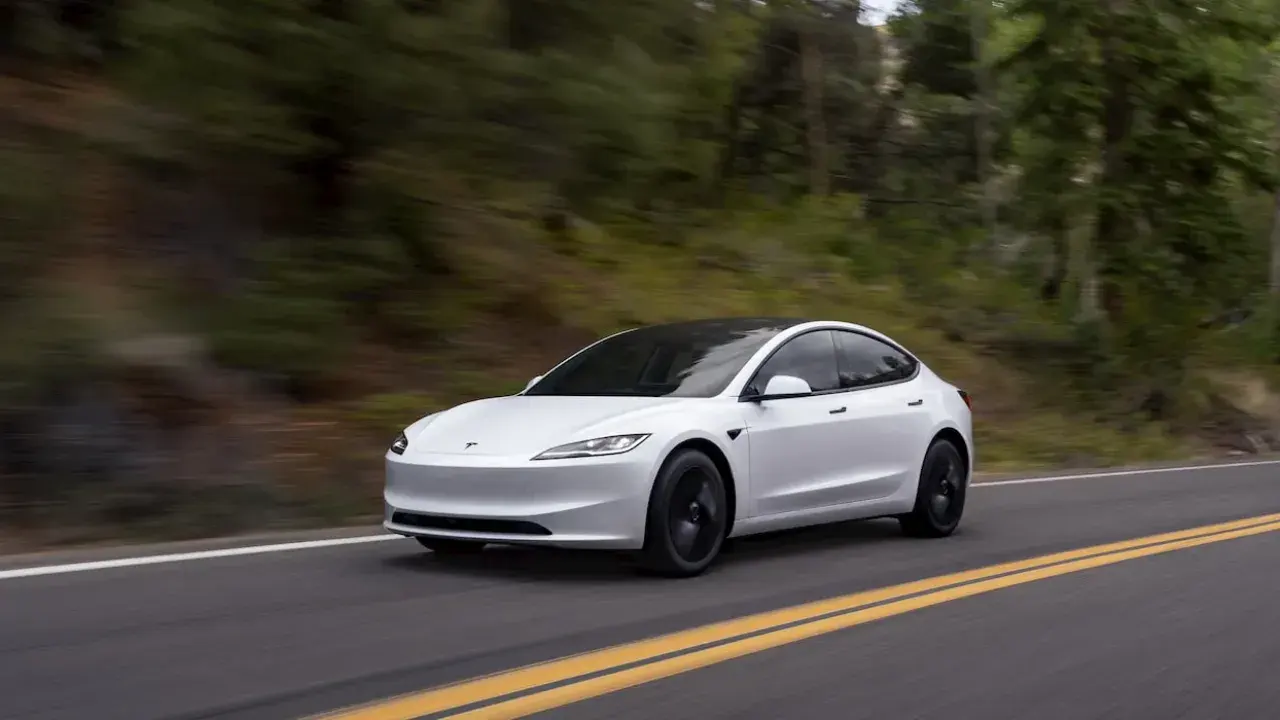
Tesla’s range still focuses on a small number of models, and price pressure remains high. Even so, the April figures suggest that the advantage Tesla has built in the United States has not disappeared with the arrival of wider competition. In a more selective market, brand recognition and the maturity of the ecosystem continue to make the difference.
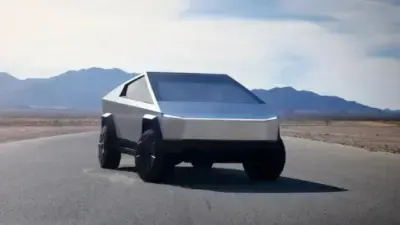
The Cybercab could soon join Tesla’s registration figures, while in Europe the company continues to face the challenge of Full Self-Driving.