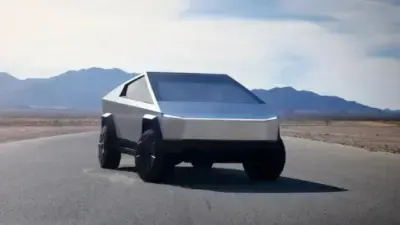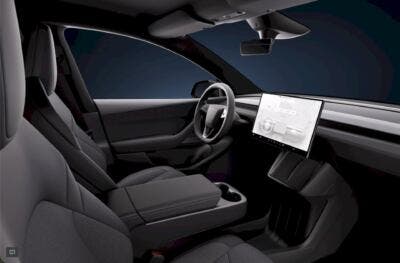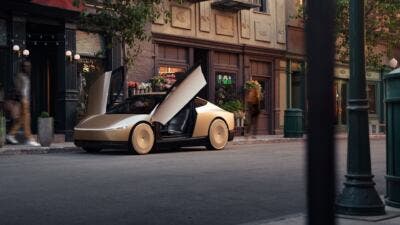
Documents filed with the EPA, the US Environmental Protection Agency, outline the full technical profile of the Tesla Cybercab for the first time, and perhaps the most surprising detail concerns the drivetrain. The two-seat robotaxi will in fact become the first front-wheel-drive Tesla, a choice that breaks with the brand’s tradition but makes sense for a vehicle with no steering wheel or pedals, designed not for driving pleasure but for autonomous passenger transport in urban areas.
The same logic also explains the wireless induction charging system, a cable-free solution designed for a vehicle expected to operate without any human intervention. However, questions remain over the efficiency, charging times and operating costs of wireless technology.
Tesla Cybercab specs show front-wheel drive, wireless charging and 48 kWh battery
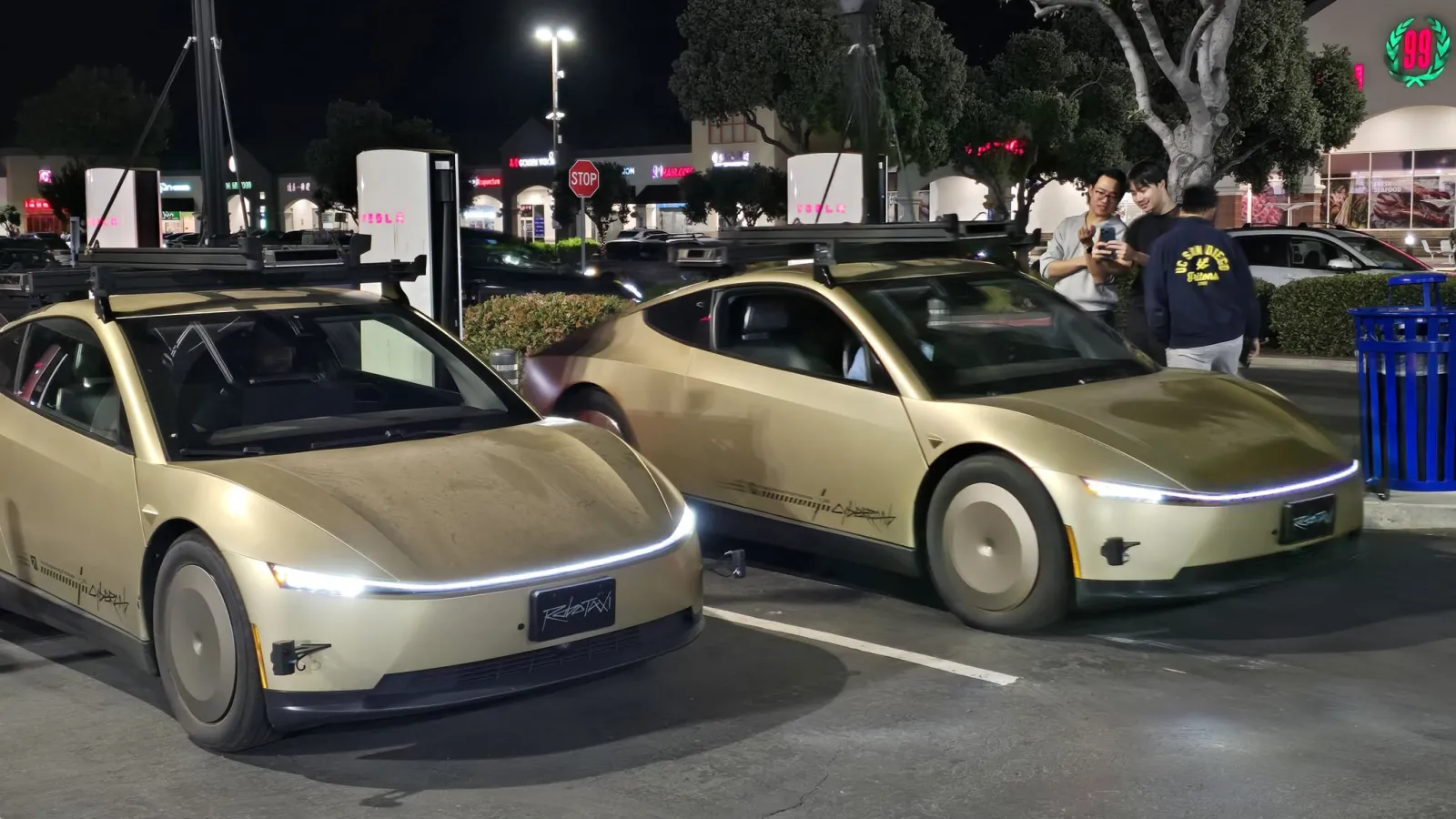
The electric motor produces 163 kW, equal to around 221 hp, a modest figure by Tesla standards but adequate for the vehicle’s mission. Declared weight stands at 1,410 kg, or roughly 3,113 lb, obviously much lower than a Model 3 but still significant for a two-seater with no traditional controls. This suggests that the battery, structure and autonomous driving hardware have a notable impact on overall mass.
The battery pack has a capacity of around 48 kWh, lower than that of the Model 3 Standard. Even so, the estimated consumption of around 10.26 kWh per 100 km, equal to about 165 Wh/mi, would make the Cybercab one of the most efficient electric vehicles ever certified by the US agency.
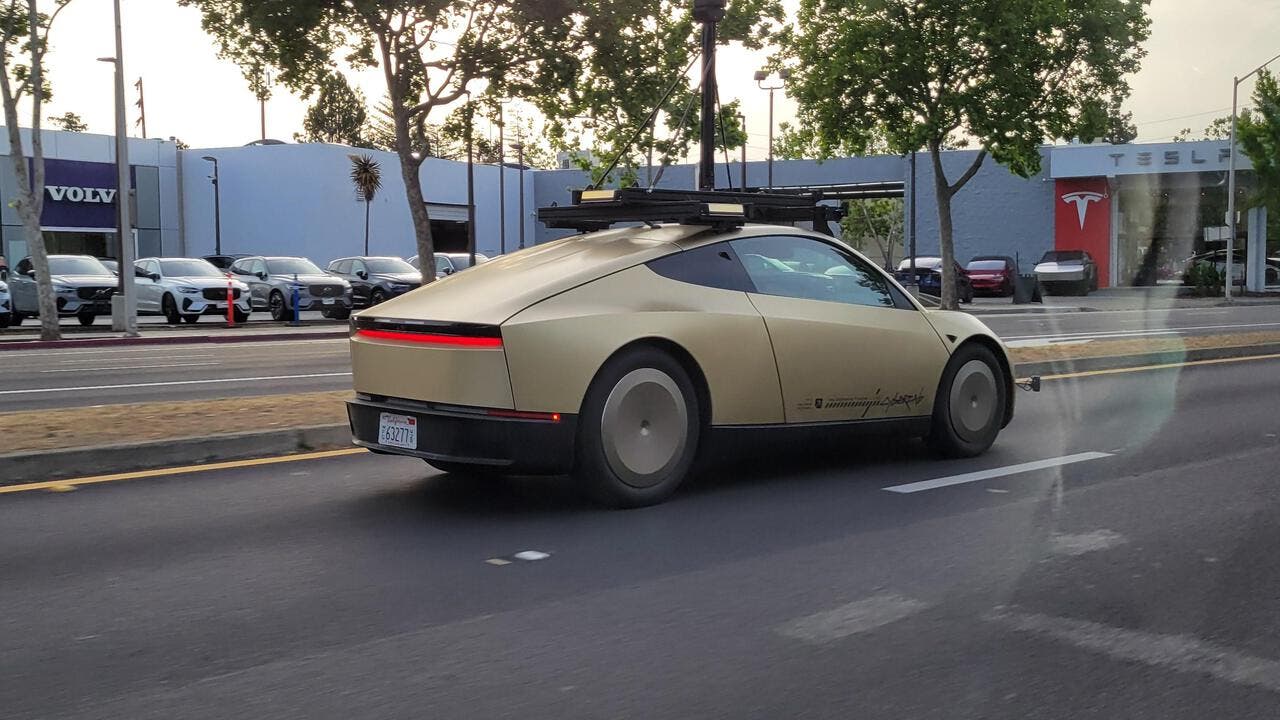
Raw laboratory data indicate a combined range of 674 km, or around 419 miles, and 604 km on the highway, equal to about 375 miles. Applying the usual EPA correction factor, those figures fall to an estimated effective range of around 470 km, or 292 miles, very close to the 300 miles Tesla had previously indicated.
EPA certification represents a necessary step for production and road use in the United States, but it does not mean the Cybercab is ready to enter service. The key issue remains unsupervised autonomous driving, which has not yet received regulatory approval.
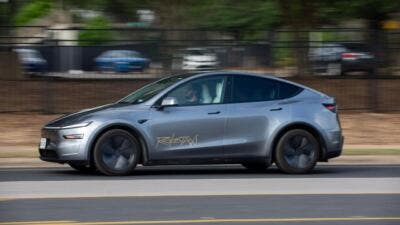
Tesla is currently testing robotaxi services with adapted Model Y vehicles in Austin, while the Cybercab’s price, previously indicated at under $30,000, has not been confirmed. The technical documentation brings the project closer to the industrial phase, but the actual launch of the service will depend on Tesla’s ability to secure regulatory approval for driverless operation.