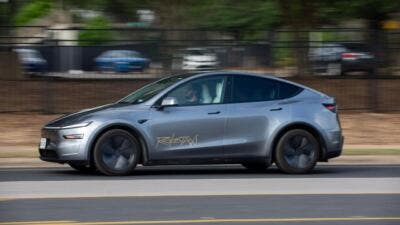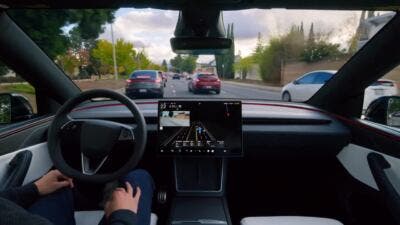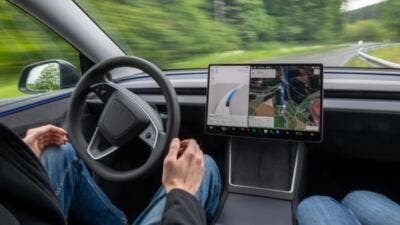
Elon Musk loves to promise us a sleek, autonomous utopia where human error is a relic of the past, but the stubborn realists of the Netherlands aren’t buying the Silicon Valley gospel just yet. Tesla recently rolled out shiny new data highlighting its semi-autonomous technology in the Low Countries, boasting that vehicles operating under Full Self-Driving (Supervised) mode enjoy a significantly lower accident frequency compared to those steered entirely by mere mortals.
Despite aggressive marketing efforts, the average Dutch commuter remains completely cold to the autonomous revolution. A revealing study conducted by PanelWizard for the vehicle sales platform OSW exposes a massive trust gap that math simply cannot bridge. Over six out of ten respondents flatly refuse to operate a self-driving car, with skepticism scaling aggressively alongside age. A whopping three-quarters of drivers over 60 reject the tech, compared to just under half of the tech-native under-30 crowd.
Nearly 60% of those surveyed admit they wouldn’t even ride as a passenger in an autonomous vehicle due to technology trust issues, while a commanding 86% fear that letting software take the wheel will inevitably turn human drivers into mindless, inattentive zombies.
This psychological barrier is perfectly natural, but overcoming it requires actual, real-world mileage rather than corporate press releases. However, when you actually log 4,000 kilometers with Tesla’s FSD system, you quickly discover that the reality is less about sci-fi seamlessness and more about navigating a comedy of electronic errors.
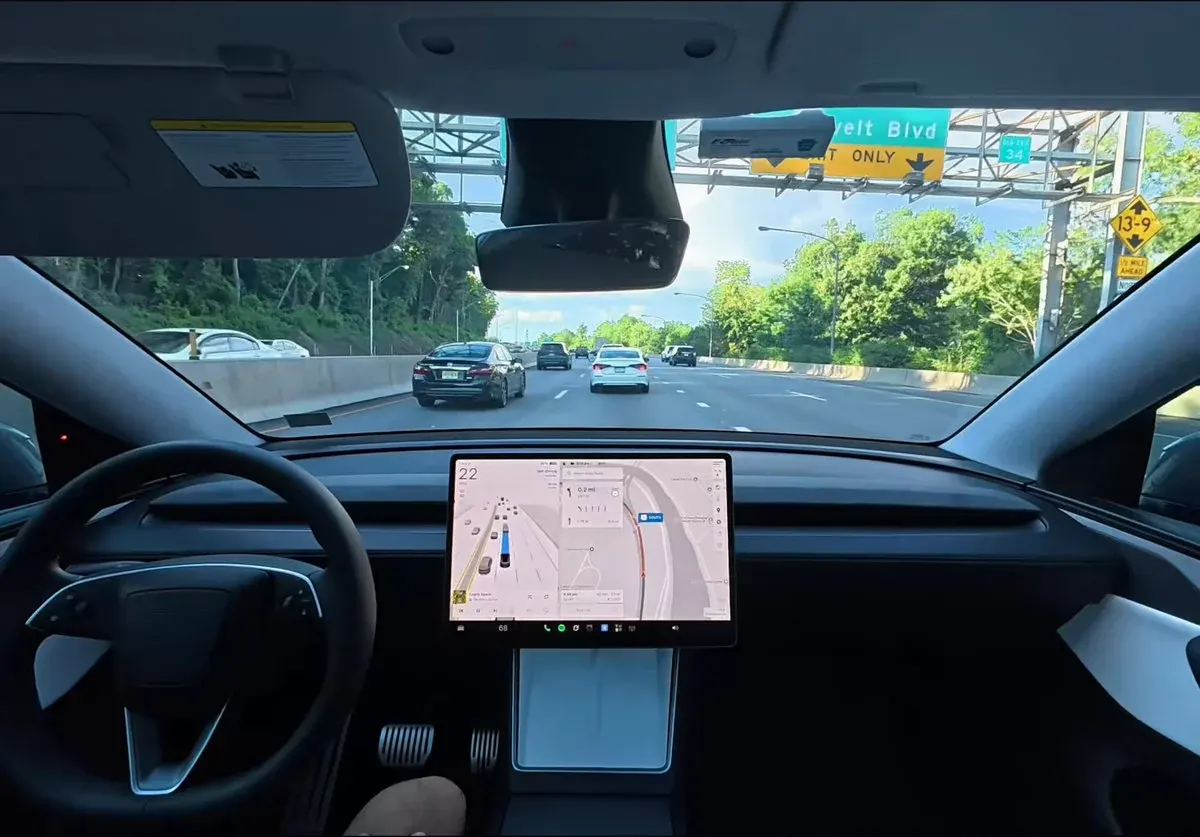
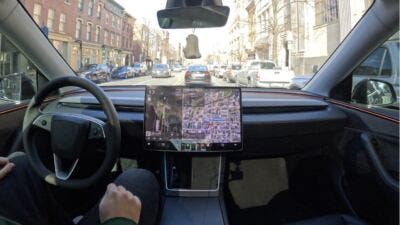
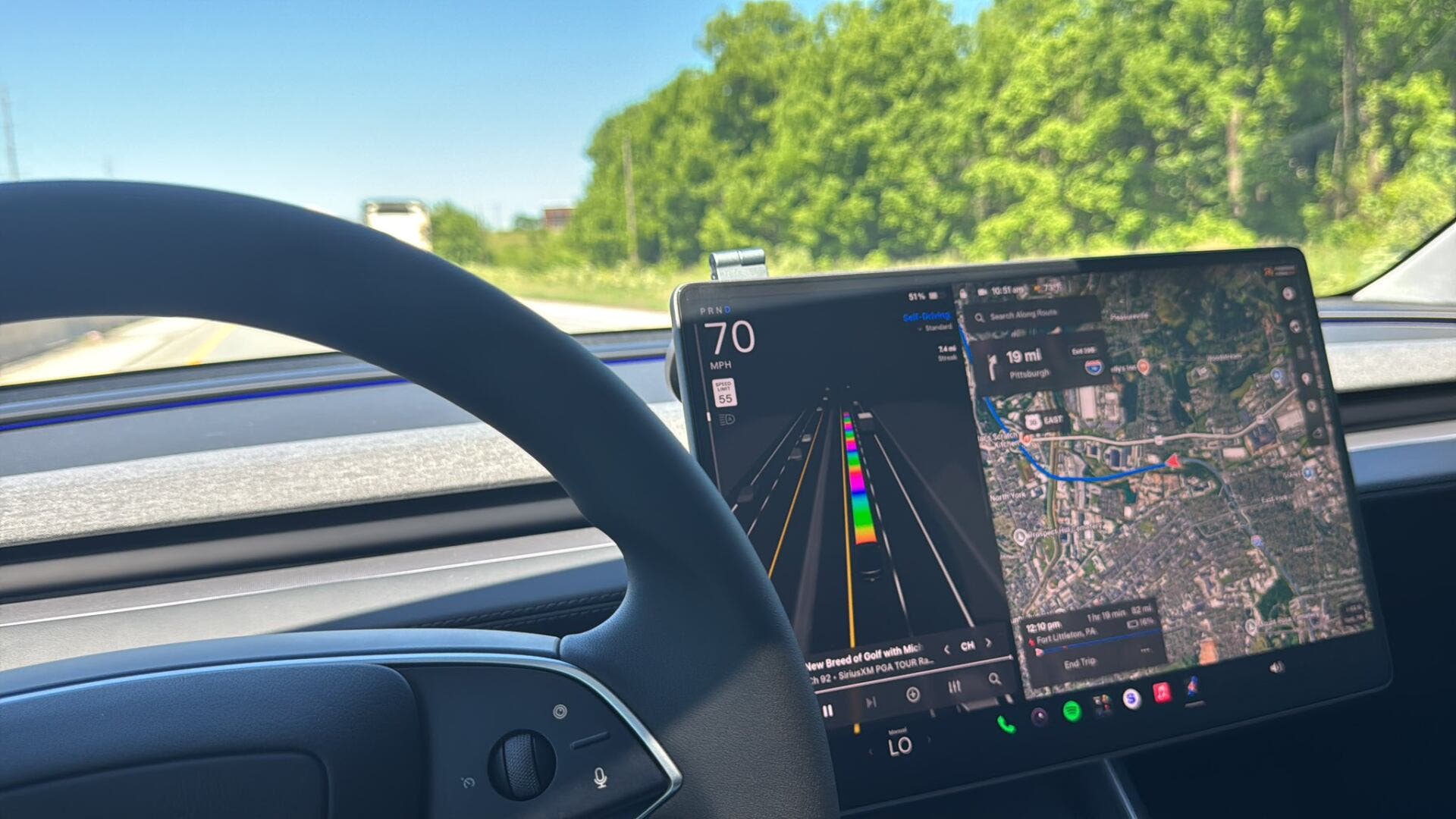
While the system drives safely, its digital navigation often suffers from a severe identity crisis. Real-world testing reveals terrible lane positioning across complex turbo roundabouts and highway junctions, frequently requiring manual corrections to avoid taking the wrong exit entirely. Furthermore, Tesla’s driver monitoring system acts like a bad driving instructor, screaming with frantic beeps if you dare take a quick sip of water or look down at the central touchscreen to adjust the climate controls.