

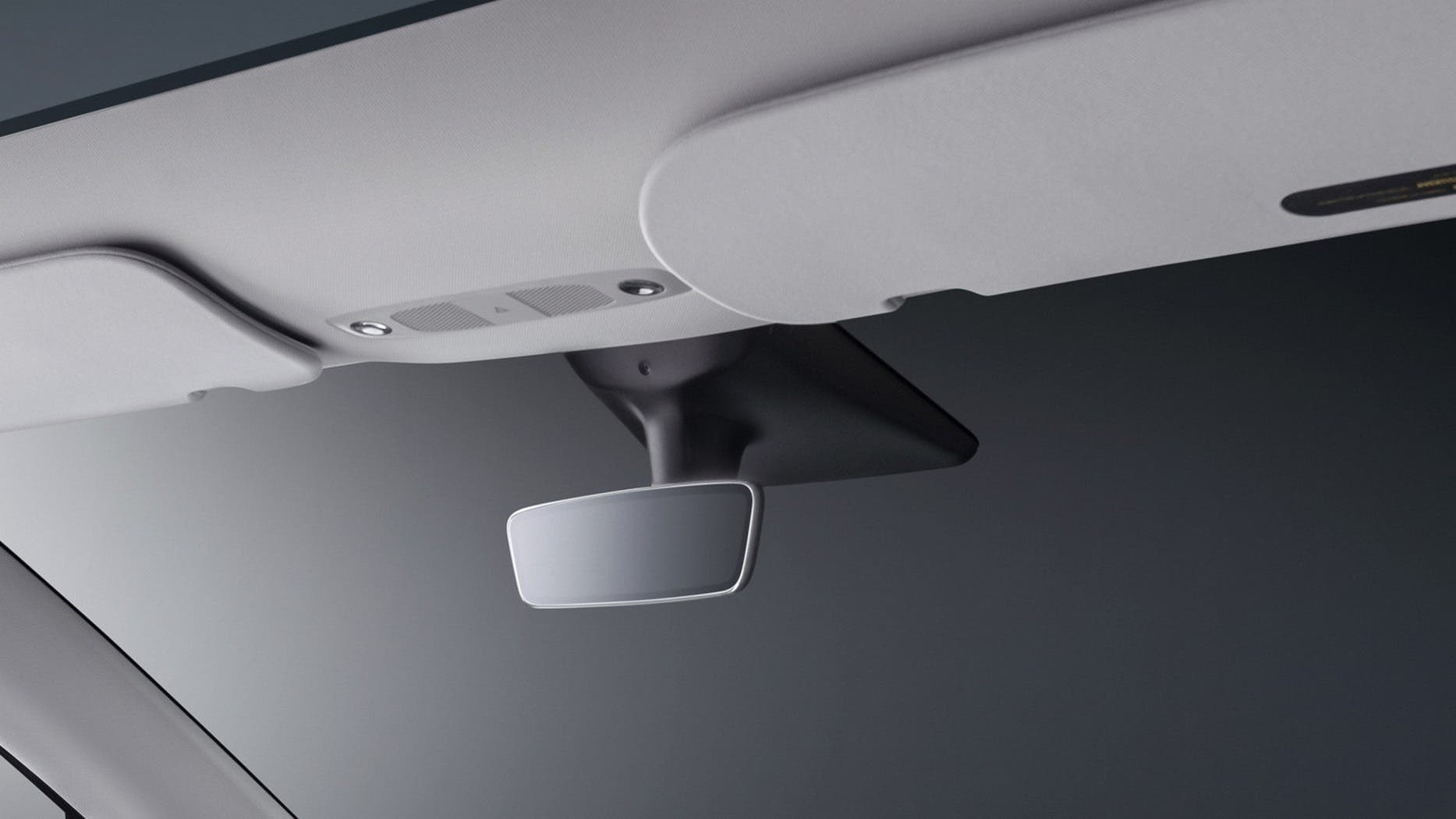
In the latest version of the Tesla app, 4.58.5, several code strings have appeared that refer to an “FSD Identity Check,” with messages linked to a failed identity check and an error screen connected to Full Self-Driving. Tesla has not confirmed anything, but the discovery has fueled two theories about what this feature could mean.
Tesla FSD: is a “Face ID” check coming to improve safety or stop subscription sharing?
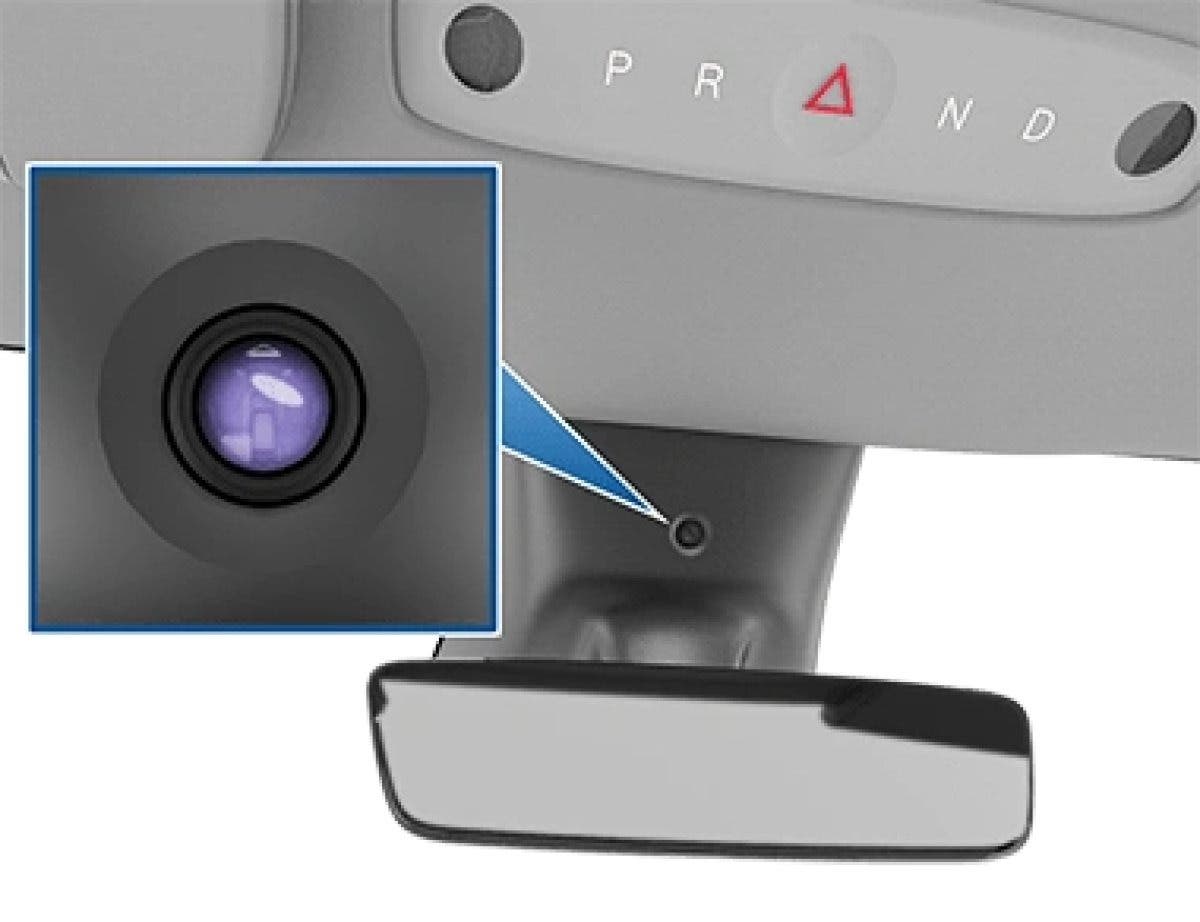
The first theory relates to safety. Facial recognition through the in-cabin camera would allow Tesla to verify that an authorized person is actually behind the wheel before enabling FSD, adding a layer of control that does not exist today. The second theory, less reassuring for users, suggests that Tesla may want to prevent people from sharing Full Self-Driving subscriptions across multiple drivers, following a logic similar to streaming platforms and their restrictions on shared accounts. In this scenario, FSD would become less tied to the car and more tied to the driver’s identity, potentially opening the door to family plans with multiple authorized profiles.
Tesla’s in-cabin camera has been active since 2021, when Elon Musk described it mainly as a tool to discourage vandalism in future robotaxis. Over time, Tesla has expanded its role until it became an integral part of driver-attention monitoring during the use of Autopilot and FSD Supervised, with distraction and drowsiness detection added later. The path has not always looked straightforward, as some independent tests in the past showed that fully covering the camera lens did not always trigger an immediate warning or system shutdown. In the last few hours, a viral video has reinforced this concern by showing a Tesla driver asleep behind the wheel at 100 km/h, sparking a heated online debate.
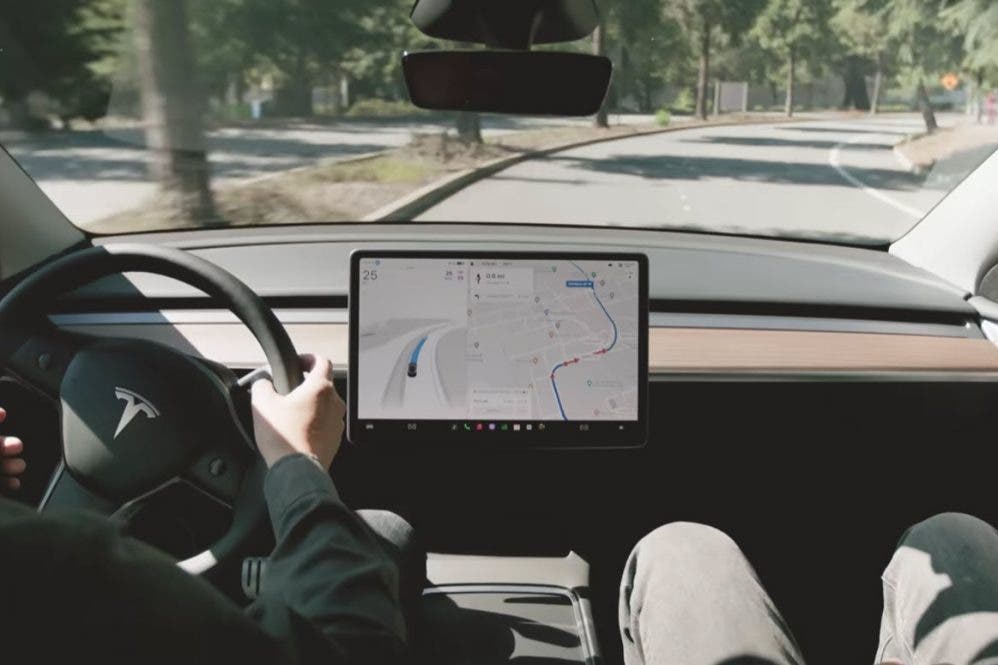
The reliability of the camera represents the weak point of any possible facial recognition system. A traditional camera does not offer the same guarantees as a three-dimensional infrared scan like Apple’s Face ID on the iPhone, and it remains more exposed to errors caused by lighting conditions or attempts to bypass the system. Rudimentary tricks to fool Tesla monitoring have circulated on social media for some time, and if the identity check relies on the same technology, its real effectiveness will still need proof.
At the moment, it remains unclear whether Tesla will introduce this feature and when it might arrive. It also remains unclear whether the goal is to improve safety, monetize access to FSD, or do both.