

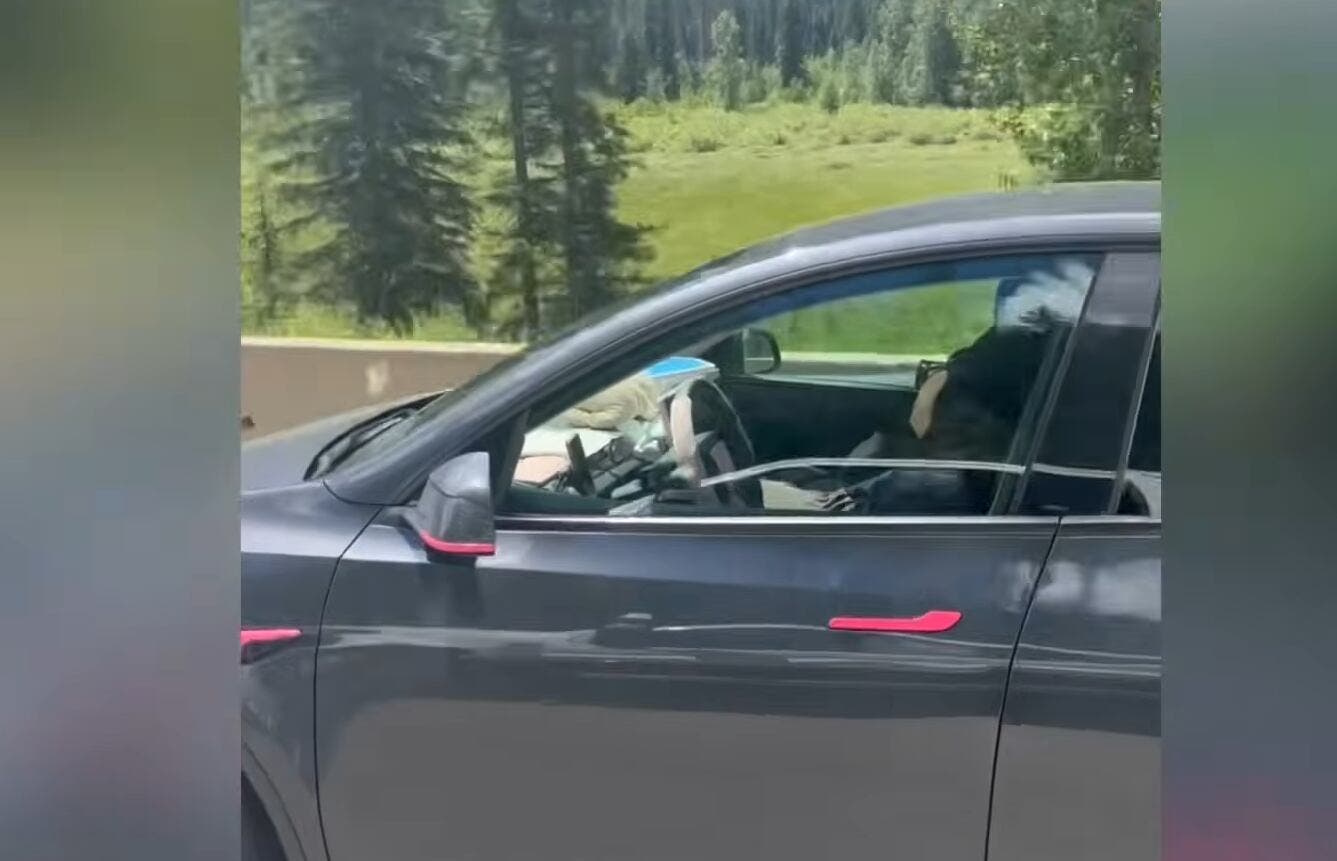
Can a pair of large sunglasses fool Tesla’s in-cabin monitoring system? Apparently yes, and a video recorded on British Columbia’s Trans-Canada Highway last Sunday shows the problem quite clearly. The footage, captured on the stretch between Golden and Revelstoke, shows a Tesla travelling at around 100 km/h with the driver asleep and slumped to one side, while two children apparently sleep in the rear seats.
Tesla driver filmed asleep on Canadian highway raises safety questions
A family travelling on the same section of Highway 1 filmed the scene after finding itself alongside the car. The witness, identified by local media as Carleigh, said she immediately realized that the driver was not conscious and contacted Revelstoke police shortly after recording the video. Officers reportedly used the footage to obtain the vehicle’s license plate and trace the owner.
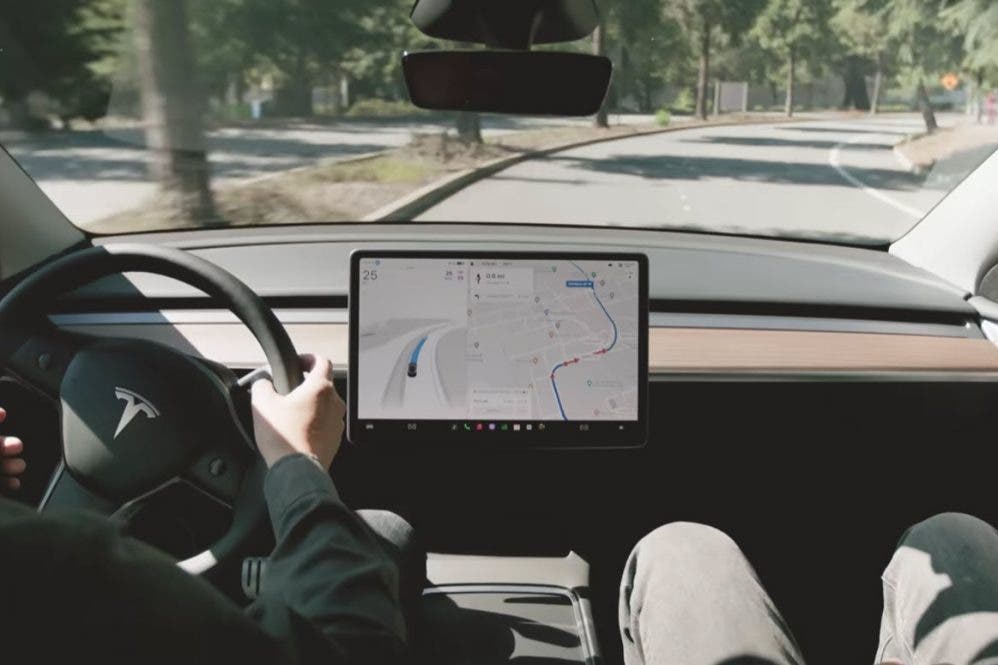
The episode has naturally triggered fresh criticism of how Tesla monitors driver attention during the use of Autopilot and Full Self-Driving Supervised. The in-cabin camera, mounted above the rear-view mirror, analyzes the driver’s face and gaze direction to check that the person behind the wheel remains present and attentive.
However, when sunglasses, a visor, or poor lighting hide the eyes, the system can fail to recognize the driver’s state and fall back on the so-called “nag”, the periodic request to apply light pressure to the steering wheel. The problem is that this check does not distinguish between an awake and attentive driver and an arm simply resting on the wheel.
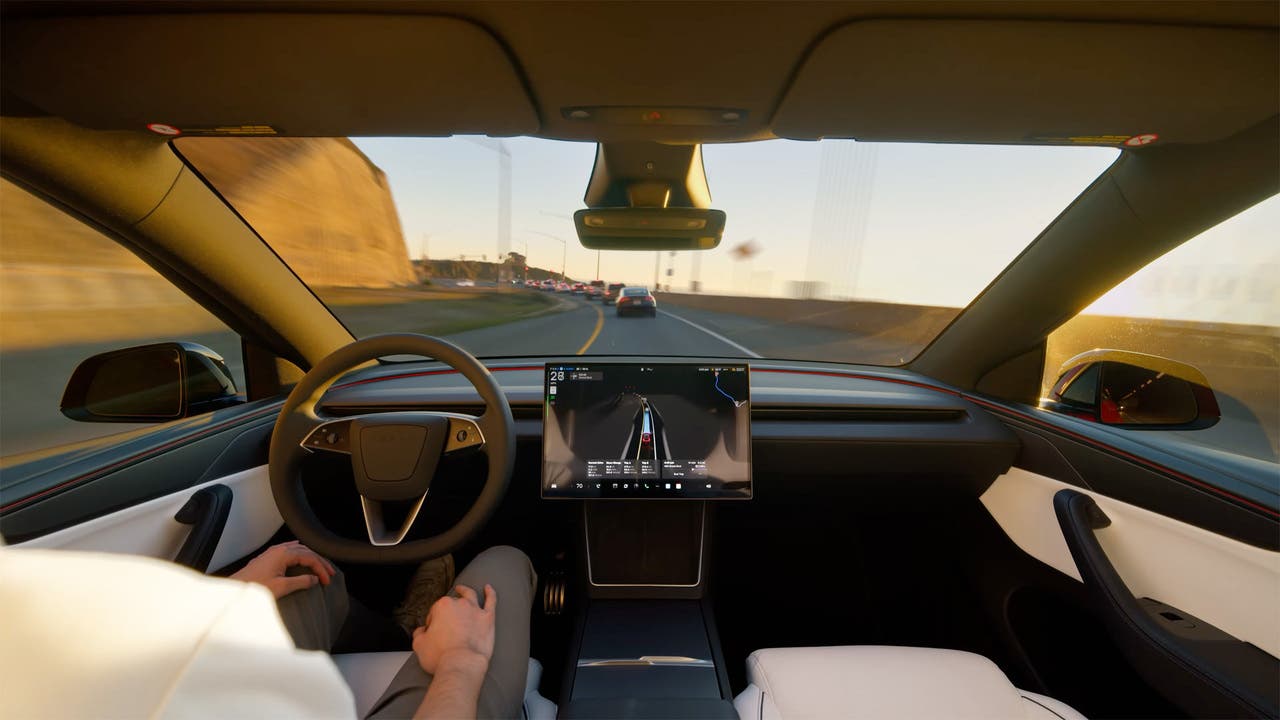
Tesla also uses a drowsiness detection system based on signals such as prolonged eye closure, blink frequency, yawning, and head tilt. Yet this system also depends on a clear view of the driver’s face, so it loses effectiveness in the same conditions that can neutralize the main monitoring system.
In Canada, FSD Supervised remains a Level 2 driver-assistance system, which means the driver must legally stay in control of the vehicle at all times. British Columbia also bans Level 3, Level 4, and Level 5 automated vehicles from public roads, making incidents like the one on Highway 1 not only dangerous but also incompatible with the current regulatory framework.