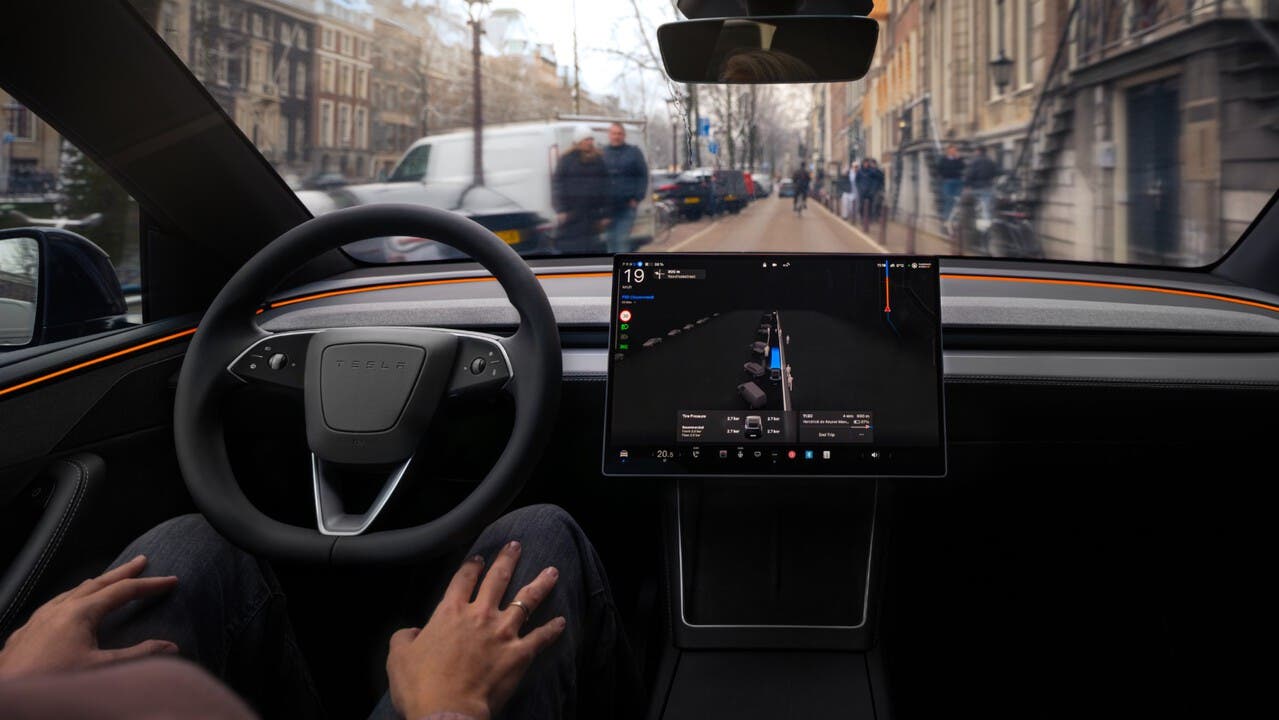
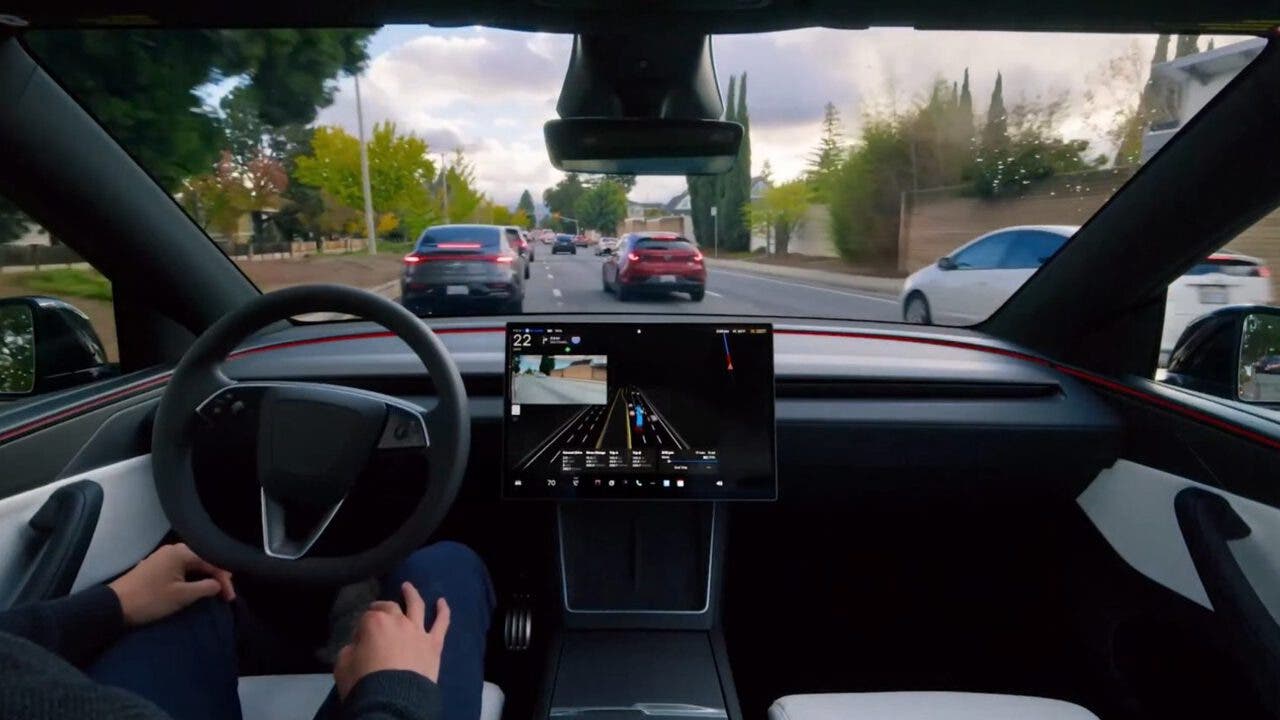
Tesla’s Full Self-Driving system is back at the centre of controversy just as the company tries to expand its rollout in Europe, where some countries are moving independently in the absence of a single EU-wide approval process, as already seen in the Netherlands and Lithuania. A new Reuters investigation has reignited the debate, drawing on testimony from former employees involved in the system’s development. According to them, some statements from Tesla executives presented FSD in a more favourable light than the company’s internal data would support.
Tesla FSD faces new scrutiny as former employees question safety claims
In July 2025, CFO Vaibhav Taneja described FSD as “ten times safer than human drivers,” a claim later echoed by board chair Robyn Denholm and accompanied by Elon Musk’s statements about a supposed 85% reduction in crashes. According to Reuters, however, Tesla skewed the comparison by counting only serious crashes involving airbag deployment for its own cars, while using federal data for all tow-away crashes as the benchmark, including less severe incidents. When both figures are placed on the same basis, the advantage falls to roughly one third. Even that figure needs context, because Tesla vehicles average 4.1 years of age compared with 12.8 years for the overall US fleet, meaning they already carry more recent safety technology regardless of FSD.
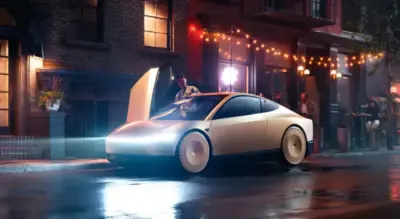
Seven of the nine former employees interviewed by Reuters reportedly said they do not trust FSD. One of them said he would not get into a Cybercab “even if they paid me.” The issues they raised include how the system handles emergency vehicles with active sirens, its behaviour around motorcyclists, sudden braking when exiting highways and its performance in construction zones, where one car allegedly came very close to hitting workers. The report also mentions cases in which the system failed to recognise pedestrians at crosswalks, as well as an episode in “Mad Max” mode where a Tesla travelled at around 62 mph on a road with a 25 mph speed limit.
The investigation also reconstructs the Cybercab debut held in October 2024 at Warner Bros. studios, when Musk said the vehicle would not need detailed maps, unlike Waymo. According to the testimonies, employees instead spent entire days testing the prototypes, marking bumps, elevation changes and road signs to minimize the risk of errors. Meanwhile, Tesla faces several investigations in the United States linked to the behaviour of FSD and Autopilot, including the case of a 22-year-old woman who died in Florida in a crash connected to the Autopilot system.