2025 could have turned into a financial nightmare for Stellantis. According to an analysis by Dataforce, the group led by Antonio Filosa would have been required to pay more than €800 million in penalties for failing to meet emissions limits. However, this massive bill was avoided thanks to intervention from the European Union, which revised the rules and introduced greater flexibility for automakers. In Italy alone, fines for the Fiat brand would have reached €350 million.
Stellantis avoids an €800 million fine thanks to EU flexibility
The new year introduced much stricter emissions limits for manufacturers operating in Europe. The average target dropped to around 94 grams of CO₂ per kilometer, with a penalty of €95 for each excess gram multiplied by every vehicle sold. As a result, this mechanism proved especially challenging for manufacturers still heavily reliant on internal combustion engines and hybrid solutions.
In response to mounting industry pressure, the European Commission decided to change its approach by abandoning annual emissions calculations in favor of a three-year average covering the 2025–2027 period. This strategic move helped soften the impact of penalties, preventing the early years from generating extraordinary costs that could have destabilized companies during the energy transition. Without this regulatory adjustment, many automakers would have faced devastating fines.
Beyond the €350 million attributed to Fiat, other group brands would also have been hit hard. Peugeot would have faced penalties of €133 million, while Jeep and Citroën would each have reached €103 million. Alfa Romeo would have stood at €58 million, and Opel at €67 million. These figures clearly highlight how deeply the group still depends on traditional powertrains.
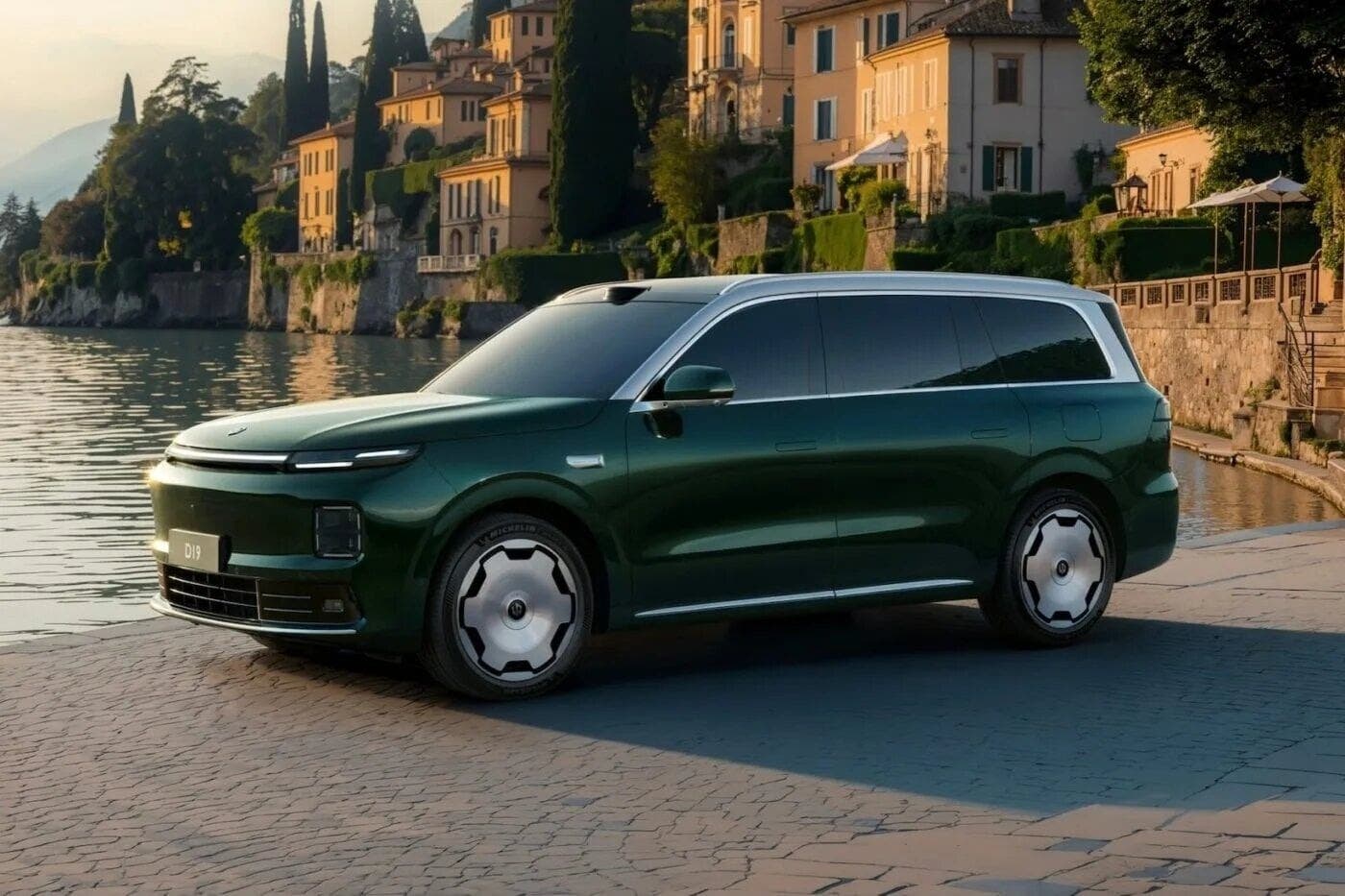
The only positive note in this broader picture would have come from Leapmotor, the Chinese brand recently added to the Stellantis portfolio. Thanks to its fully electrified lineup, Leapmotor would have generated approximately €70 million in credits. While this contribution would have slightly reduced the overall burden, it would not have fundamentally changed the situation.
Stellantis would not have been the only automaker dealing with heavy penalties. Volkswagen and Audi would also have faced substantial fines. On the other hand, Toyota and Chinese manufacturers would have accumulated credits thanks to strategies more strongly focused on electrification.
However, the core issue remains unresolved. The regulatory change has merely postponed the problem to 2027, when the three-year assessment period comes to an end. Unless the European Union introduces further adjustments in the meantime, major traditional automakers could once again face potentially unsustainable costs, with serious consequences for the competitiveness of the European automotive industry.