

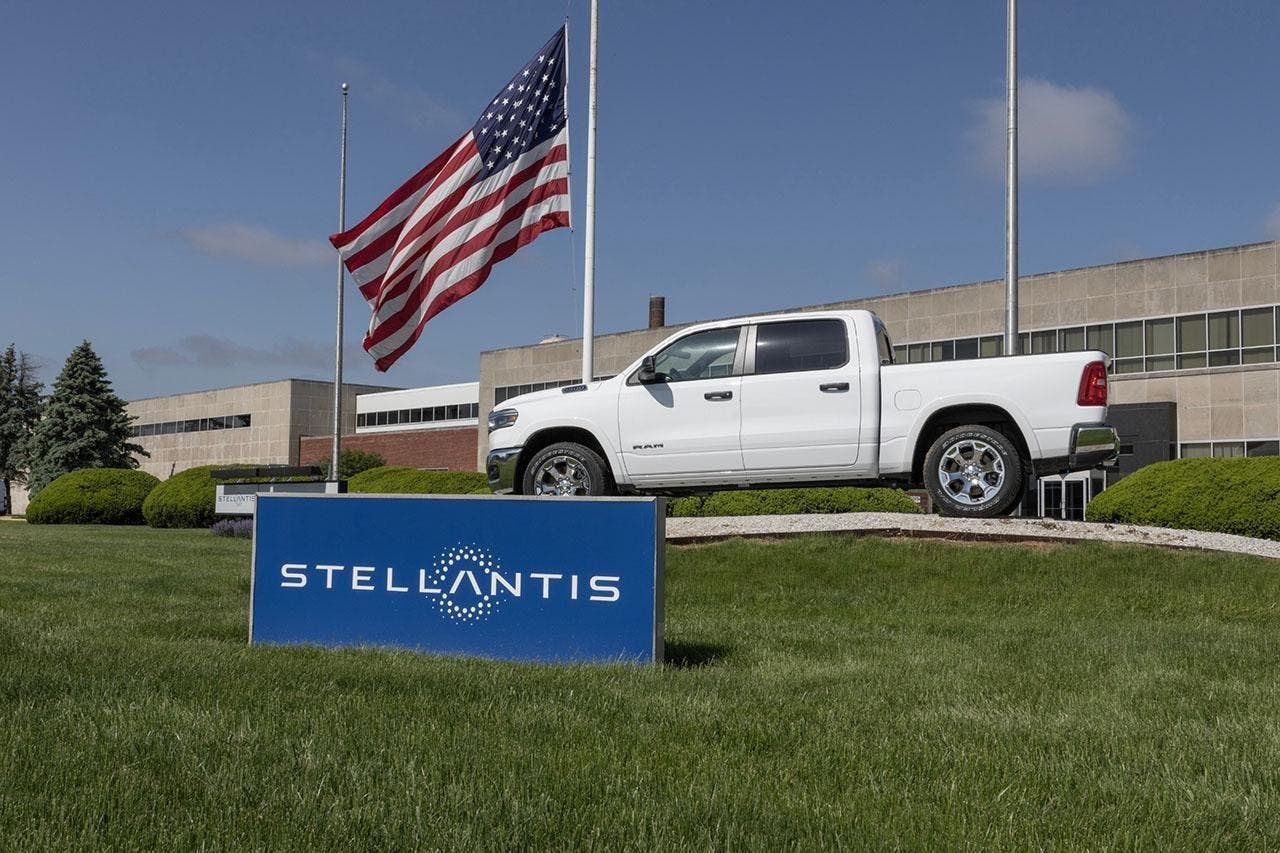
In recent years, Stellantis has gone through a particularly difficult phase in North America, especially in the United States, paying the price for several strategic decisions that hurt sales. Dealers felt the impact most directly, as they faced sharp revenue declines, thinner margins, and growing difficulty selling vehicles priced above what many American customers were willing to pay. However, with Carlos Tavares stepping aside and Antonio Filosa taking the helm, the mood now appears to be shifting.
Stellantis regains momentum in the US as dealer relations improve
For much of last year, relations between Stellantis and dealers representing Chrysler, Dodge, Jeep, and Ram remained visibly strained. Many dealers openly voiced their frustration, accusing the group of pursuing pricing and product strategies poorly suited to the US market. Unsold vehicles piled up on lots, while profitability dropped to levels not seen since the Great Recession. The disagreement even spilled into public view, through letters and statements that highlighted a widening gap between European management and the realities of the US market.
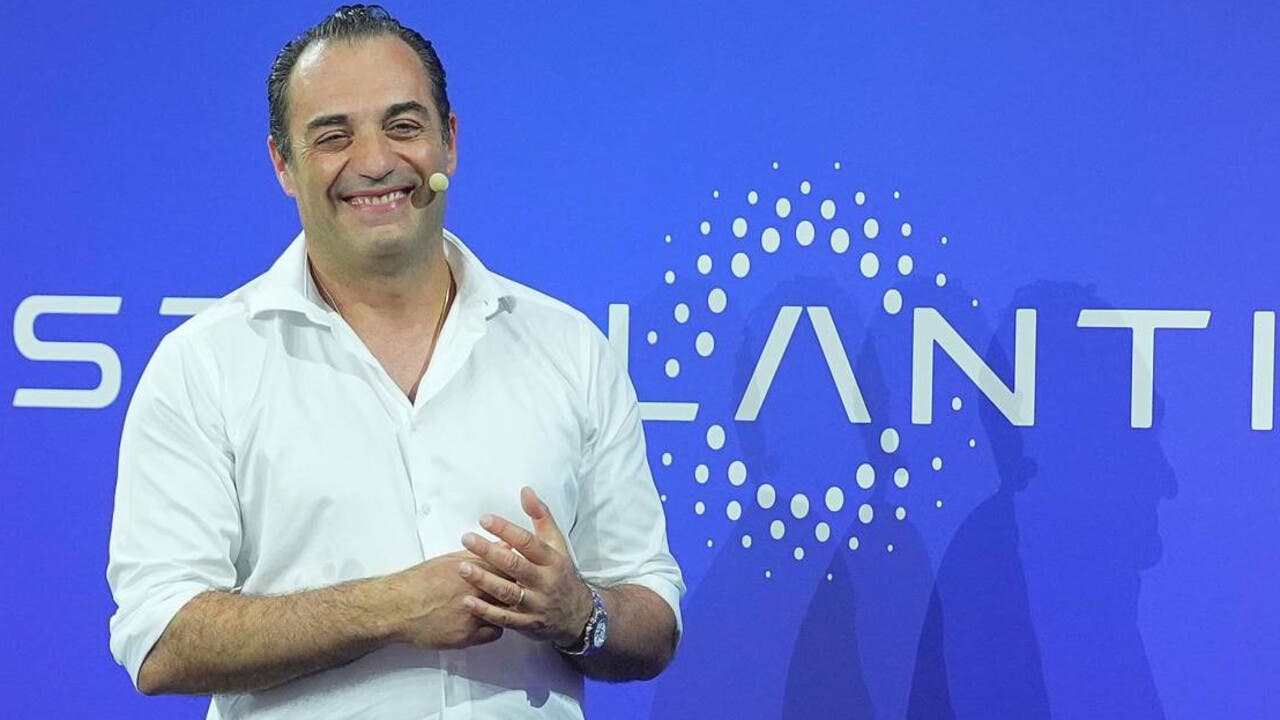
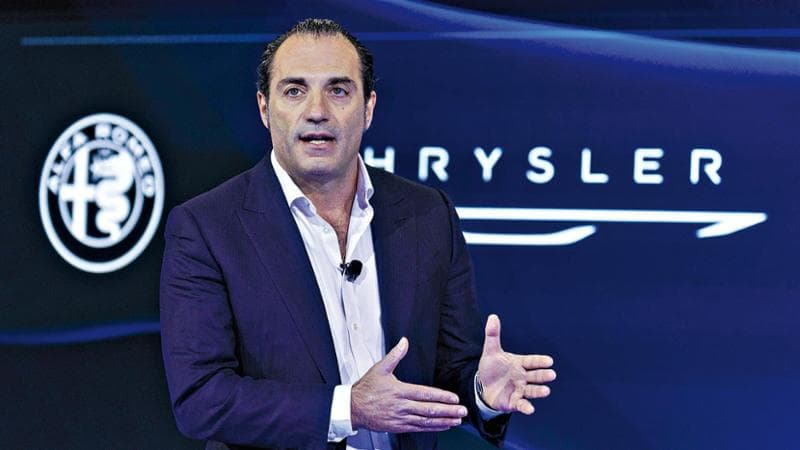
Antonio Filosa’s arrival marked a clear break from the past. The new CEO operates directly from the United States, with Auburn Hills as his base, and he immediately made dialogue with the American dealer network a priority. From the outset, his approach appeared more pragmatic and focused on listening. At the same time, Stellantis began revising pricing policies, simplifying lineups, and accelerating the launch of new or heavily updated models better aligned with local preferences, which still favor V8 engines and hybrid solutions.
The group also strengthened operational support for dealers. Stellantis launched new hiring initiatives across sales, parts, and service to support more than 2,000 US dealerships. It also increased investment in local advertising, a point dealers see as essential. According to multiple accounts gathered in recent weeks, the overall atmosphere has improved significantly. While challenges remain, cautious optimism is now starting to emerge.
That said, the numbers highlight how demanding the recovery remains. Data from Edmunds show that Stellantis’ US market share fell from 12.5 percent in 2020 to 7.7 percent in the first eleven months of the current year. Even so, Filosa has reassured investors by pointing to a modest rebound in the second half of the year and the resolution of major inventory management issues that weighed heavily in 2024.
Some brands, especially Ram and Chrysler, still post selling times above the industry average. Stellantis acknowledges this and has launched a broader plan that includes additional hiring in manufacturing, quality, and engineering. The group also plans to reopen physical retail hubs to support dealers starting in 2026. The return of dealer advertising associations and the arrival of key models, such as the new Jeep Cherokee and gasoline-powered Dodge Chargers, aim to rebuild trust and profitability. Early signals look encouraging, but long-term consistency will provide the real test of this turnaround.