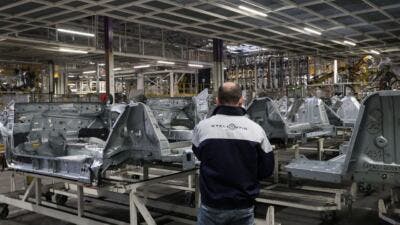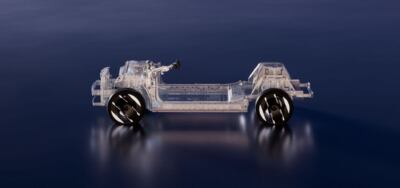
Stellantis is placing STLA One at the centre of its next industrial phase in Europe. The new platform will need to make the group’s future models cheaper to develop, faster to produce and more competitive in the segments where pressure from Chinese carmakers continues to grow. The stated target is ambitious, as Stellantis aims to reach 2 million cars based on STLA One by 2035. CEO Antonio Filosa explained the scale of the project, saying the new architecture will be 20% more competitive than the technical base the group uses today.
Stellantis bets on STLA One, targeting 2 million cars by 2035 to answer China
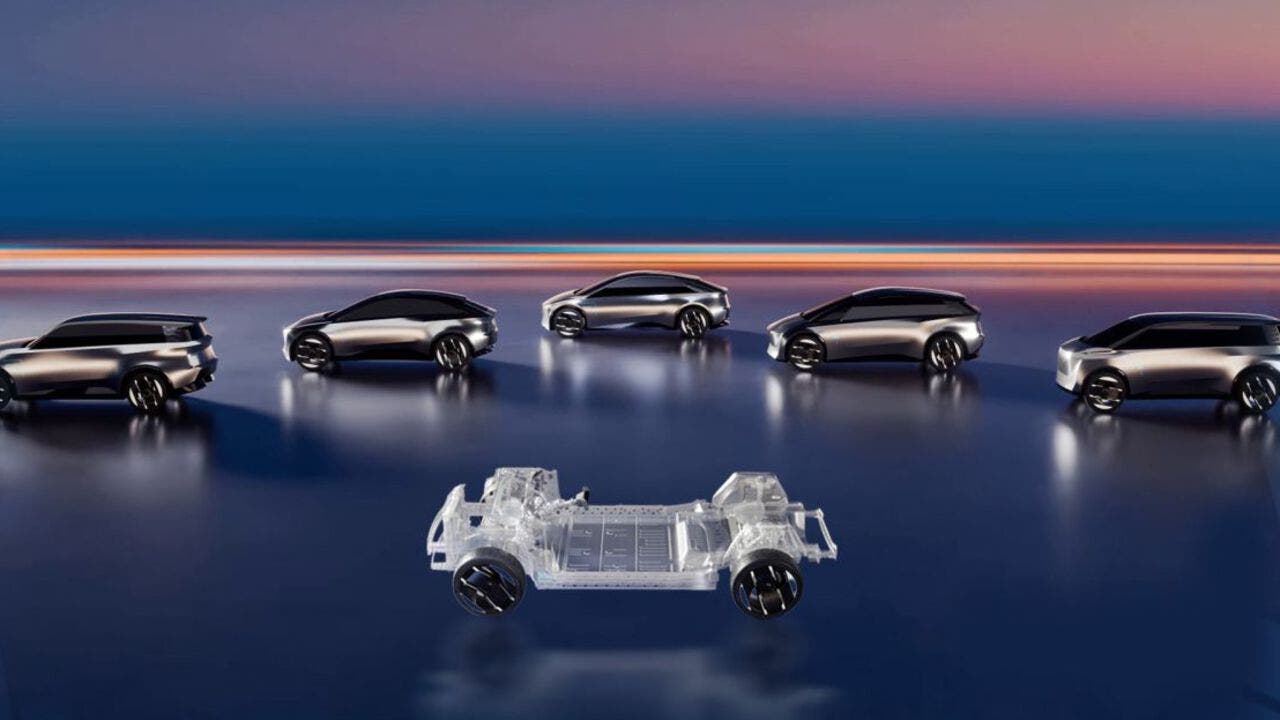
The industrial logic behind STLA One revolves around reducing complexity, with the aim of cutting development times, costs and overlap between models. In Europe, this step carries growing importance because Chinese brands are entering the market with aggressively priced cars that often offer strong technology content. To respond to this competition, Stellantis cannot rely only on commercial tools such as discounts or promotions. It will need to act at the root of the product, working on design, components, software, industrial processes and development times. STLA One follows precisely this logic and will focus especially on compact and affordable models, the cars where final price plays a decisive role in customer choice.
According to Reuters, STLA One will enter production in Spain in 2027 with the new Peugeot 208. The choice of the launch model does not seem accidental, because the 208 represents one of Peugeot’s pillars in Europe and one of the group’s most widespread cars on the continent. Starting the new platform with a high-volume model will allow Stellantis to quickly test the architecture’s effectiveness in terms of industrial costs, production times and market response, gathering useful data before extending it rapidly to other vehicles in the portfolio.

Meanwhile, Stellantis is also presenting STLA One at the Mulhouse plant in France, a site included in the group’s European industrial reorganization that could play an important role in the rollout of the new platform. The issue, however, goes beyond technology. For Stellantis, STLA One must become a tool to defend European production at a time when the market demands more affordable, more efficient, more digital cars with flexible powertrain options.
The balance remains delicate. The group will need to contain costs without weakening the content of its cars and, at the same time, build models capable of competing directly with Chinese rivals. The most sensitive part of the entire process lies here: making European cars more competitive even before they reach dealerships.