

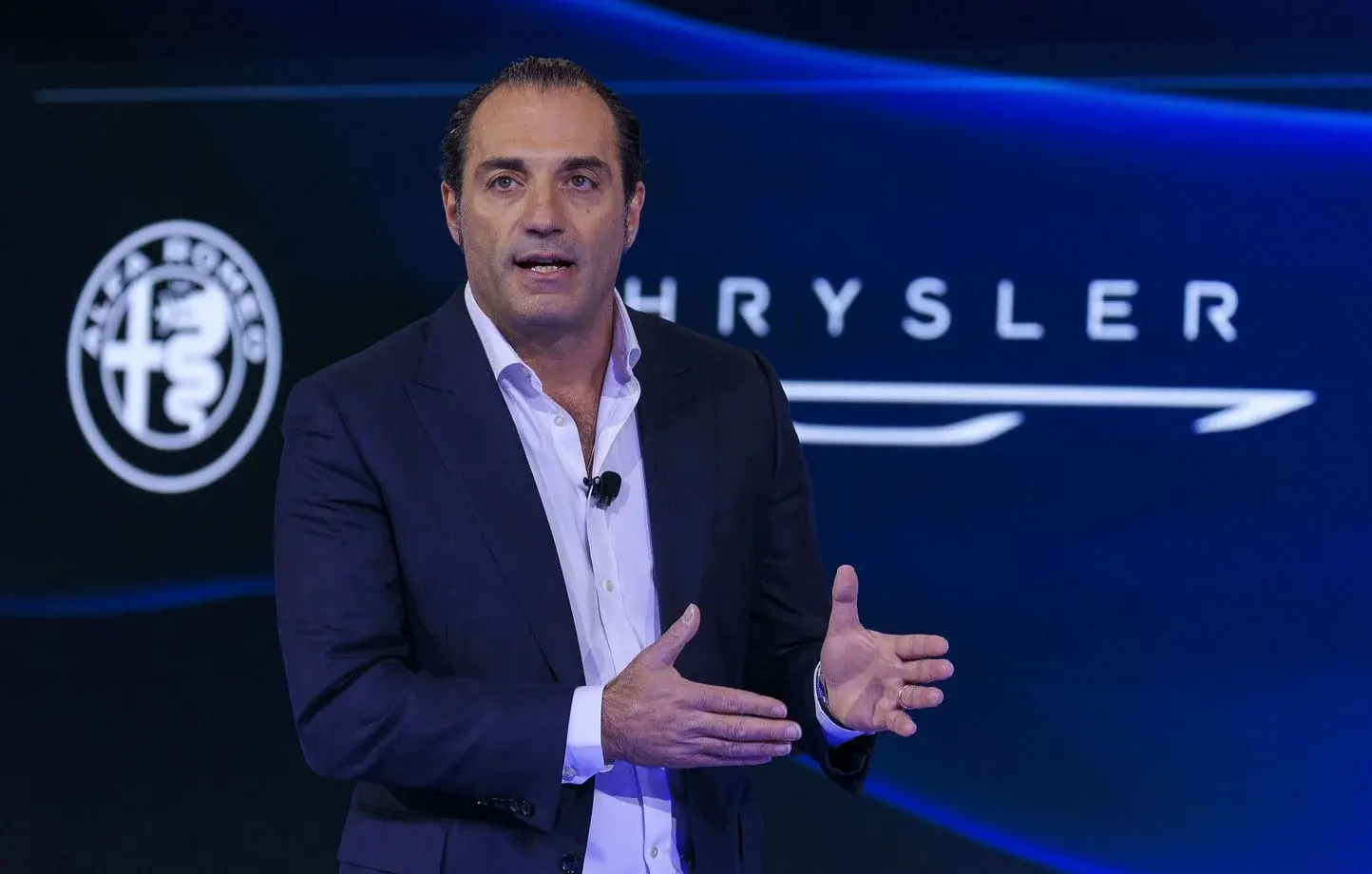
Antonio Filosa has published on LinkedIn his assessment of his first year at the helm of Stellantis, choosing a tone that feels far from celebratory. His message sounds like that of a manager fully aware of the complexity of the moment. On one hand, the group appears to have started regaining momentum; on the other, the hardest part of the journey still seems to lie ahead.
Stellantis, Filosa reviews his first year as CEO as the turnaround relies on 60 new models
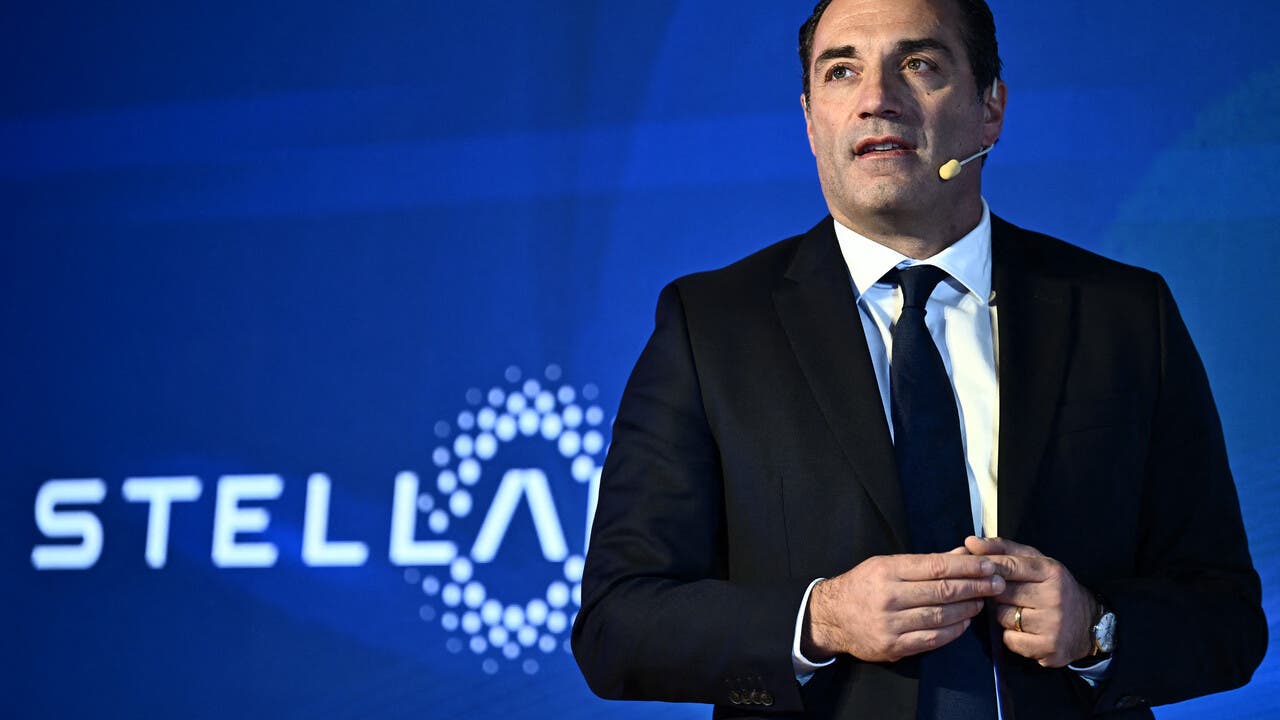
In his post, Filosa recalls how Stellantis has taken its first steps towards recovery in key markets, while admitting that much still needs to be done. This is an important point, because it comes after months marked by a deep internal reshuffle, pressure on margins, industrial challenges and the need to bring order back to a huge group made up of very different brands operating in markets that have changed significantly in recent years.
Stellantis announced Filosa’s appointment about a year ago, and he officially took office on June 23. Since then, the new CEO has started reviewing the group’s activities with the aim of strengthening competitiveness, efficiency and operational capability. In his message, Filosa describes a reset built around very practical priorities, from customers and employees to dealers, stakeholders and results in the main markets. Stellantis can no longer afford dispersion at a time when the car industry must deal with electrification, new competitors, pressure on prices and less predictable demand than in the past.
The central chapter, however, remains product. On this point, Filosa confirmed that Stellantis is preparing one of the broadest product offensives in the sector, with more than 60 new models and 50 major updates by 2030. The new launches should prove decisive in giving new strength to the group’s brands in the markets where Stellantis wants to regain competitiveness, from North America to Europe, through South America, the Middle East, Africa and Asia-Pacific, with strategies adapted to local needs. The offensive forms part of the faSTLAne 2030 program, designed to support more profitable and stable long-term growth. The real challenge will be turning those announced numbers into models capable of speaking to customers and generating volumes without sacrificing margins.
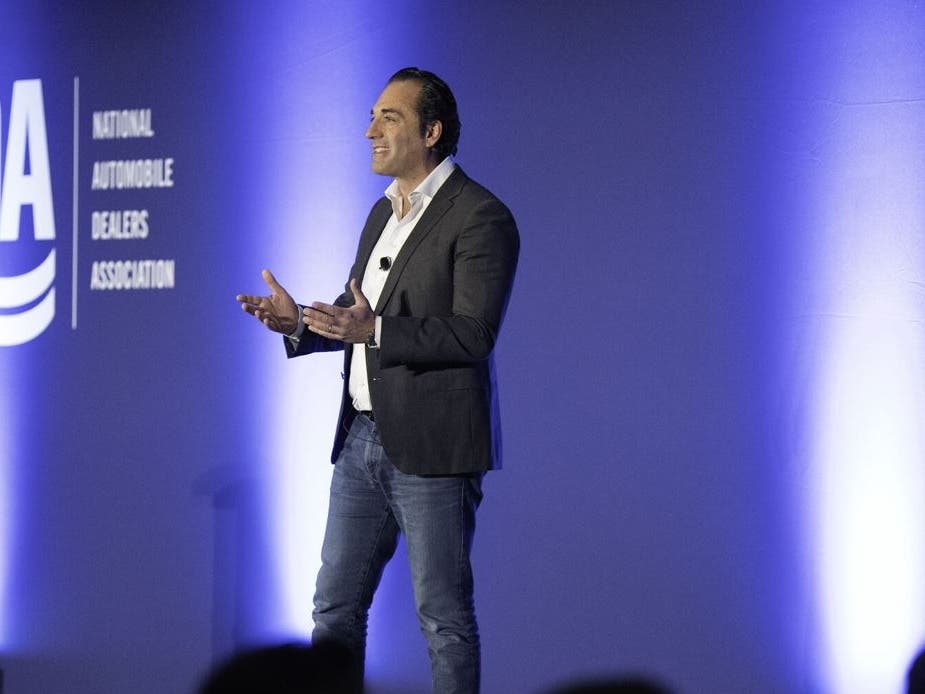
Filosa also dedicated a significant part of his message to the people inside the group, highlighting the speed with which teams have worked during this transition phase and recalling his visits to Stellantis plants, offices and sites. The CEO described leading the company where he has spent much of his career not only as a professional milestone, but also as a dream come true, a reference to his more than 25 years within the group.
Now Stellantis must prove that this reset can turn into measurable results in terms of sales, product quality, brand positioning and strength in strategic markets. Launching dozens of models, managing 14 brands, controlling costs, facing Chinese competition, keeping Europe competitive and relaunching North America will not be easy.