Stellantis has increased its stake in Factorial Energy, the US company specialising in solid-state battery development, bringing its total holding to 9.5%. SEC documents revealed the operation, which marks a shift from a technical collaboration to a more structured industrial and financial relationship. As part of the move, Jon Nelson, CEO of Stellantis Financial Services, has joined Factorial Energy’s board of directors.
Stellantis strengthens Factorial alliance as solid-state batteries move closer
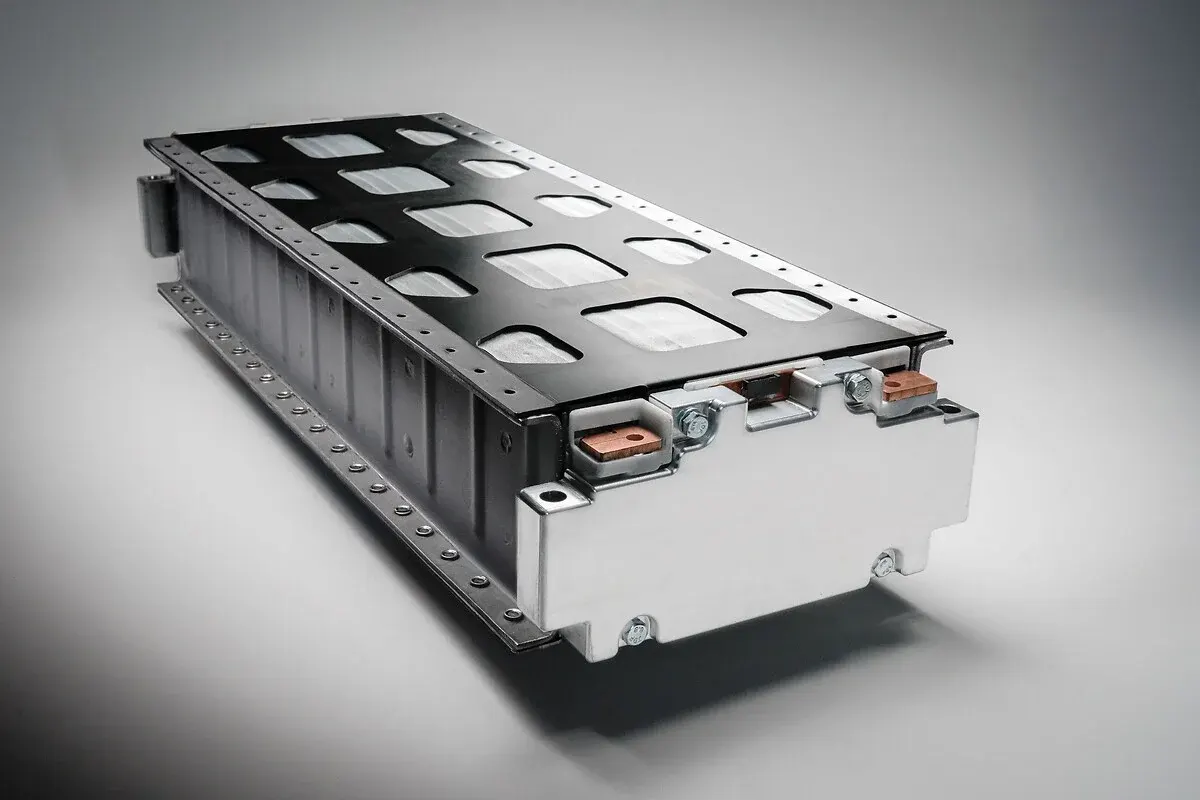
According to the documents, Stellantis N.V., Stellantis Europe and Stellantis Ventures together hold 8.67 million Series A common shares in Factorial Energy. These shares come from the conversion of instruments that the group already held, including preferred stock, warrants and a $2 million convertible note subscribed in August 2025. The transaction closed on June 5, 2026.
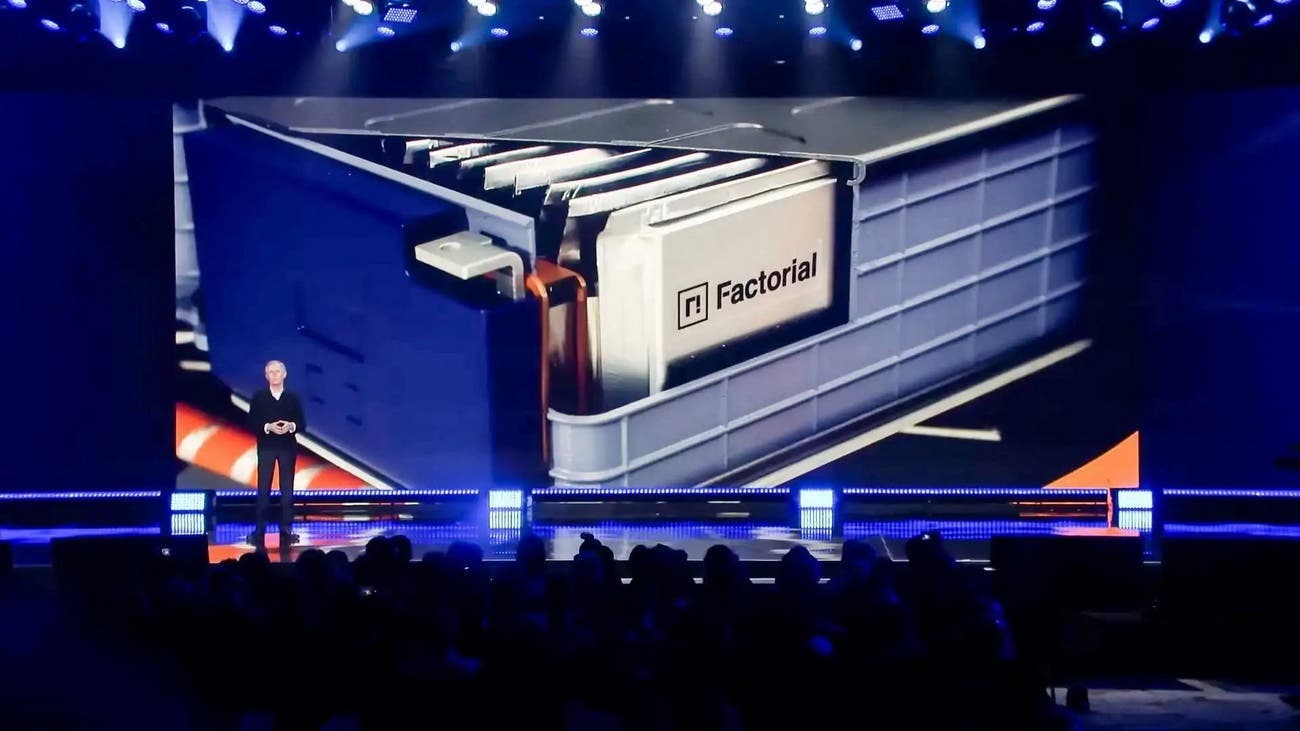
The relationship between the two companies began in 2021, when Stellantis invested in Factorial to accelerate the development of next-generation battery technology. Many carmakers see solid-state batteries as one of the most promising solutions for the next phase of electric mobility. Compared with traditional lithium-ion batteries, they could offer higher energy density, faster charging, better thermal stability and improved safety. For a group that needs to make its electric vehicles more competitive by reducing battery pack weight and improving range and performance, this technology could play a significant role.
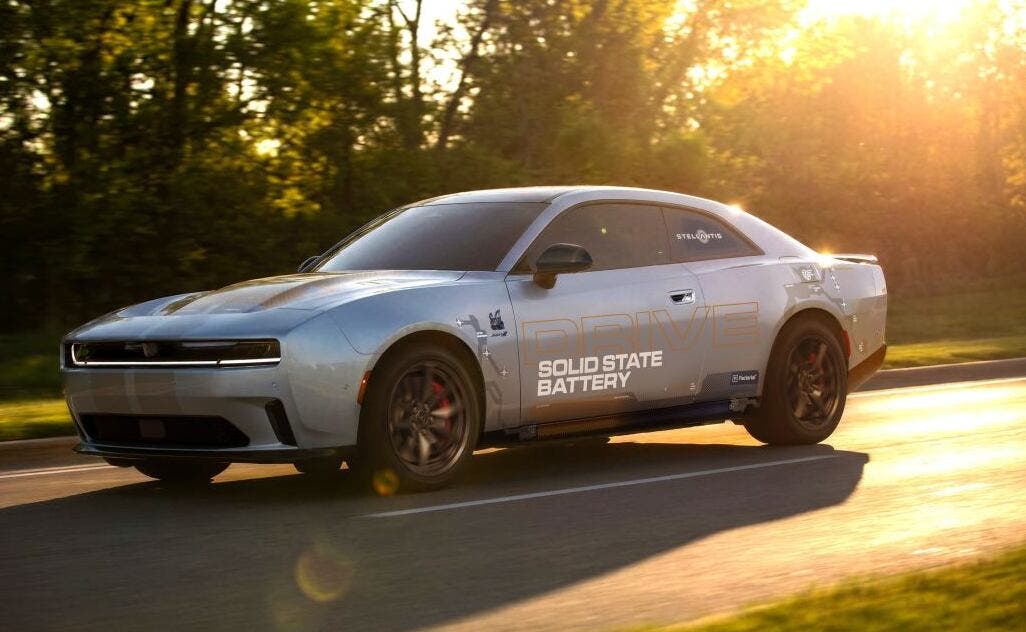
The stronger stake comes as Stellantis and Factorial start real-world road tests with FEST cells, short for Factorial Electrolyte System Technology, inside an experimental Dodge Charger Daytona. The vehicle now faces testing in real driving conditions, a crucial phase to evaluate battery behaviour, reliability, thermal management and performance outside the controlled environment of a laboratory. A cell can deliver promising results in static tests, but it must then prove that it can work inside a car exposed to vibrations, repeated charging cycles, temperature changes and high power demands.
The road to mass production remains long. Solid-state batteries still need to prove that they can reach sustainable costs, offer strong durability and fit the industrial pace of the automotive sector. However, with a defined stake, a seat on the board and real-world testing on the Charger Daytona, Stellantis has clearly moved from the role of observer to that of an active partner in the development of the technology. The group now aims to build an advantage for the next generation of its electric vehicles.