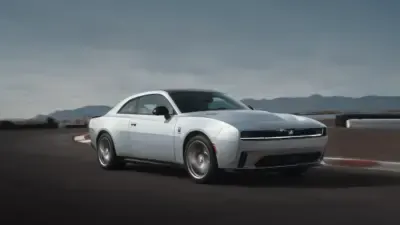
There is an experimental Dodge Charger Daytona currently roaming American asphalt with something radically different hiding beneath its floorboards, and it is not just another over-the-air software update or a fancy cosmetic trim. For the very first time, solid-state battery cells developed by Massachusetts-based Factorial have broken free from the confines of a research lab and entered the chaotic real world.
This is a tangible, rubber-meets-the-road reality check. Traditional lithium-ion cells have spent the last decade hitting their chemical ceilings, failing to deliver the holy trinity of true EV mass-adoption: massive energy density, lightning-fast charging, and bulletproof thermal stability.
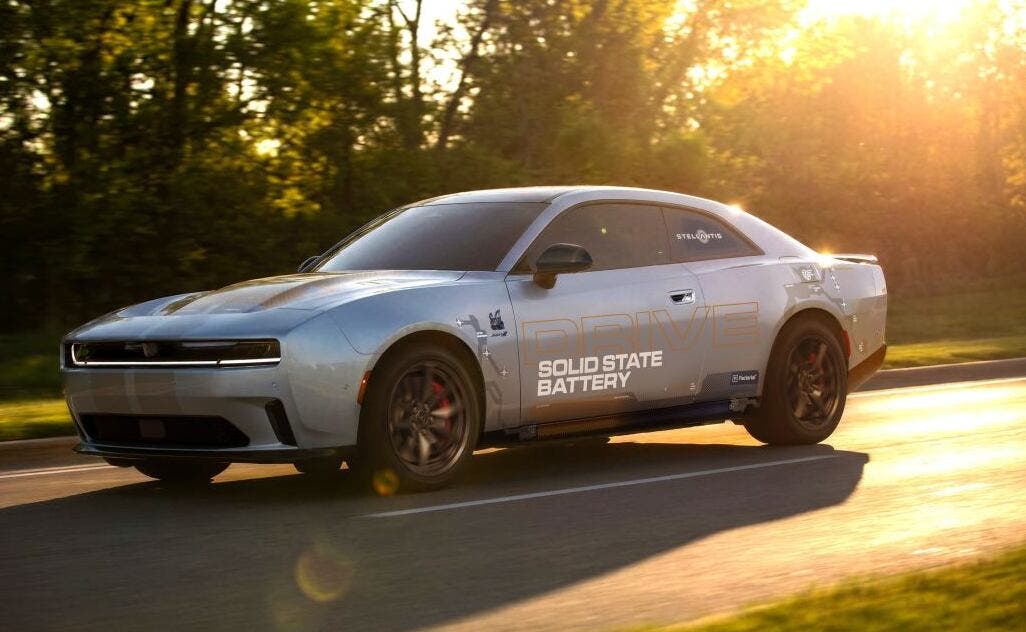
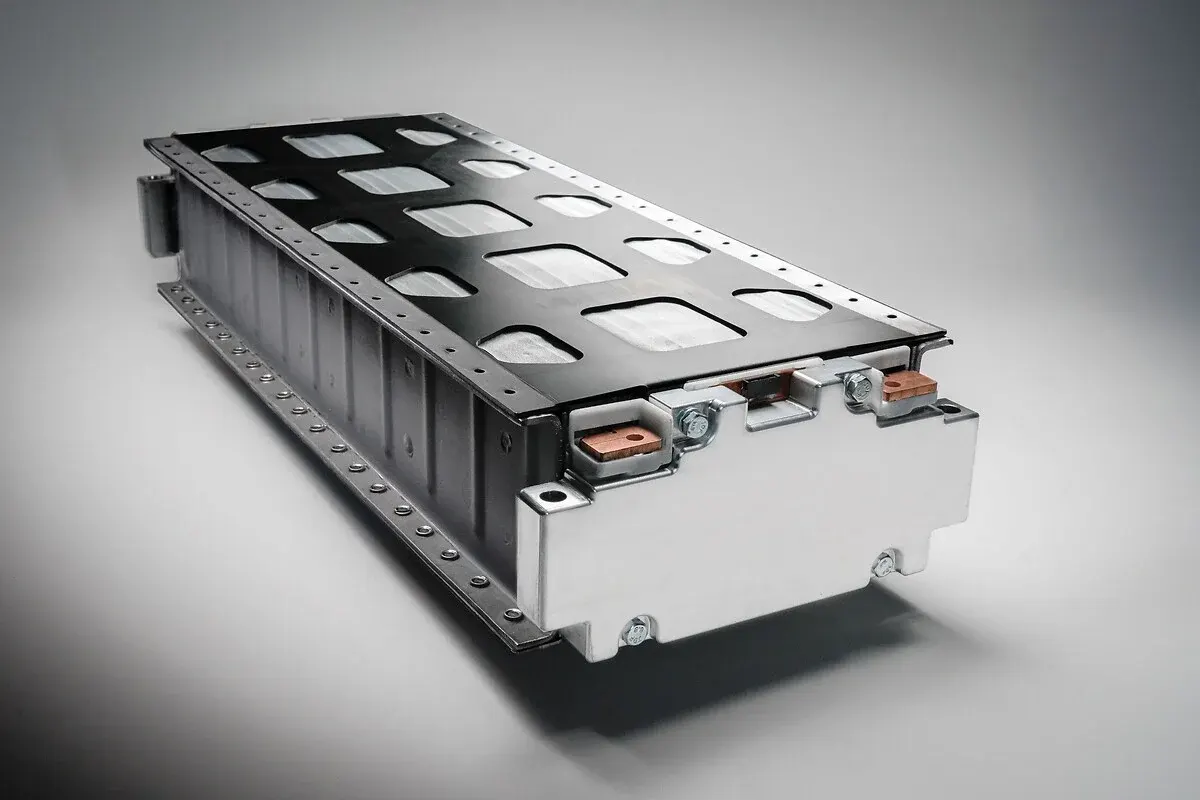
Enter Factorial’s proprietary technology, known as FEST (Factorial Electrolyte System Technology). The performance figures declared in 2025 are nothing short of spectacular, boasting an energy density of 375 watt-hours per kilogram, a blinding 15-to-90-percent charge time of just 18 minutes flat, and a guaranteed operating window stretching from a freezing minus 30 to a scorching plus 45 degrees Celsius.
To pull off this engineering stunt, Stellantis had to completely redesign the Charger Daytona’s mechanical architecture, cramming these advanced cells into the existing battery envelope while thoroughly rewriting the internal control software so the entire apparatus doesn’t sacrifice long-term safety and durability on the altar of pure performance.
If this cross-Atlantic partnership sounds vaguely familiar, it’s because the duo originally announced plans to build a dedicated test fleet last fall, explicitly promising a 2026 rollout. True to their word, the prototype has arrived right on schedule, looking suspiciously like the uniquely liveried machine that previously haunted the halls of the Stellantis Investor Day in Auburn Hills.
However, what is conspicuously missing from the glossy press releases is any actual indication of how long this testing program will last, or more importantly, when a regular consumer can actually buy a production vehicle equipped with these cells. Stellantis remains stubbornly quiet on a production timeline.
While a collective choir of legacy automakers has promised a solid-state savior by 2030, this street-legal Charger proves that a concrete step has finally been taken. For once, the endless hype machine surrounding the future of batteries actually has a license plate attached to it.