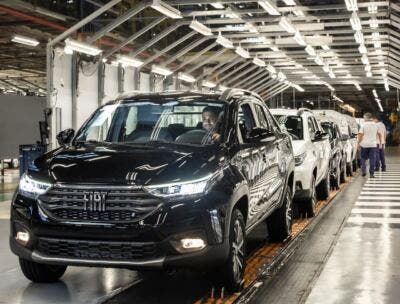
A major restructuring phase has begun within Stellantis. The group is going through a delicate moment, caught between uneven commercial results and a change in leadership that requires new strategic decisions. In this context, Antonio Filosa is working on a new industrial plan that will be presented in the coming months and is expected to significantly reshape the future of the automotive giant. According to current reports, several important decisions are on the table, some of which could spark debate.
Stellantis prepares major reshuffle as new industrial plan takes shape
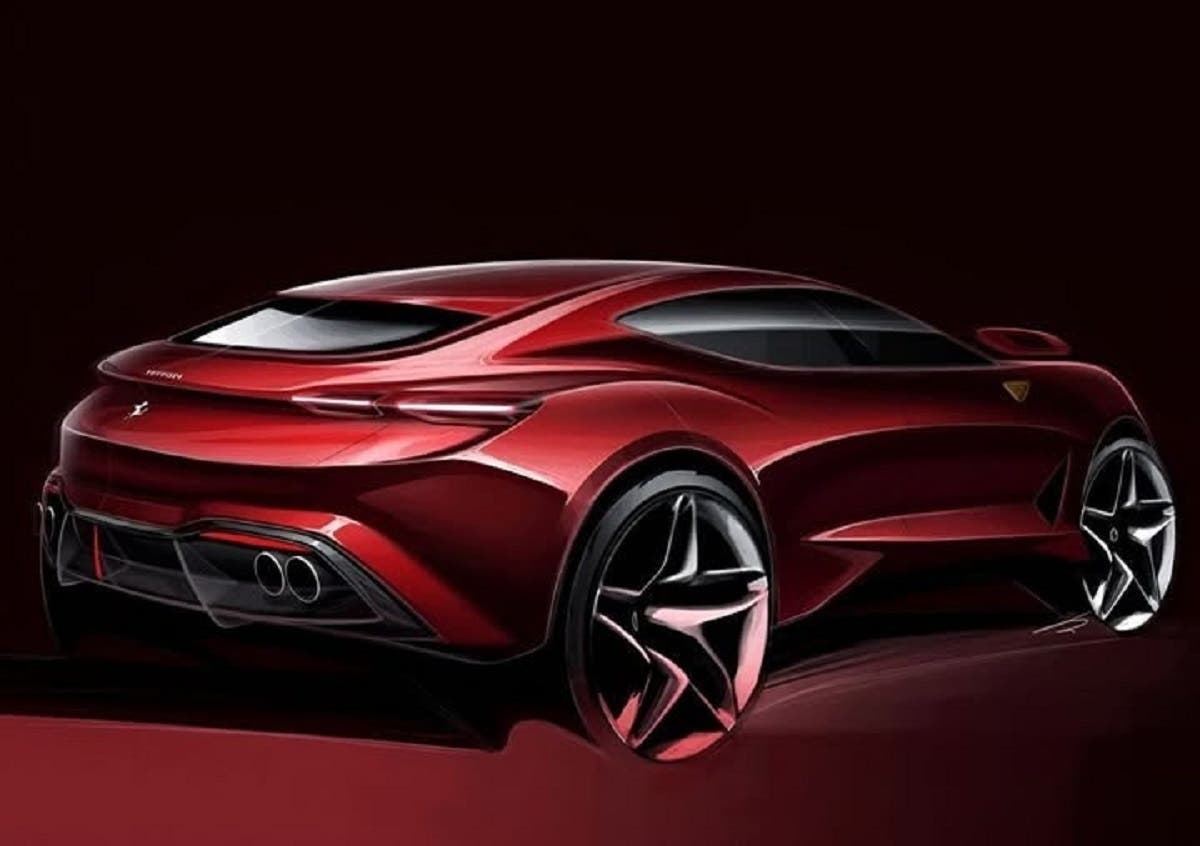
The first brand likely to undergo a major change appears to be Alfa Romeo. According to the most persistent rumors, the brand is set to exit the E segment and abandon large premium sedans. The Alfa Romeo E-Jet project, which was supposed to serve as the brand’s electric flagship and be built in Detroit, has reportedly been shelved. This marks a clear shift from the strategy pursued under Jean-Philippe Imparato, when moving upmarket was a central goal. The new direction now seems far more pragmatic: Giulia and Stelvio will remain the core models, with no further expansion into higher segments.
Lancia also faces an uncertain future. The new Delta, announced as a cornerstone of the brand’s revival and originally scheduled for 2028, may never reach production. In its place, Stellantis is reportedly considering a compact SUV based on the STLA Small platform and built in Italy. If confirmed, this choice would represent a definitive break from the Delta’s sporting heritage in favor of a product more aligned with current market trends.
Maserati’s situation appears equally unclear. The future Quattroporte looks increasingly uncertain, while the successor to the Levante has better chances of moving forward. Beyond that, the Trident brand’s strategy remains poorly defined, suggesting that major evaluations are still underway. Uncertainty also surrounds Fiat, where the Grizzly may drop its seven-seat configuration even before reaching the market. As for the return of the Punto, it remains little more than a compelling hypothesis for now.
Stellantis faces key decisions as brand strategies come under review

Peugeot, on the other hand, continues to benefit from a solid and well-positioned lineup, particularly in Europe. Citroën and DS seem destined to follow diverging paths. DS, in particular, continues to struggle to establish itself as a true premium brand despite its long-standing independence. Unlike Cupra, which has successfully built a strong identity, the French marque still trails its German rivals. The next-generation DS 7, expected soon, will represent a crucial test.
Citroën has taken a different route, focusing strongly on affordability. Models such as the Ami, C3, and C3 Aircross are delivering solid results and reinforcing the brand’s image as a rational, value-oriented manufacturer. Not by chance, Citroën is closely watching the emerging E-Car segment, with electric vehicles priced below €15,000 that could benefit from future regulatory incentives aimed at boosting adoption.
As for the American brands, Filosa has stated that they will receive particular attention, along with the North American market as a whole. The picture that emerges is one of a group in the midst of transformation, determined to reassess priorities and investments in order to adapt to an increasingly competitive and unpredictable market. The new industrial plan will therefore prove crucial in understanding which brands will be truly strengthened and which may have to scale back their ambitions. The coming months will be decisive for Stellantis’ future.