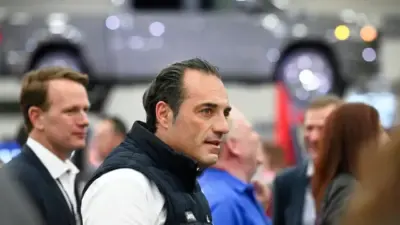
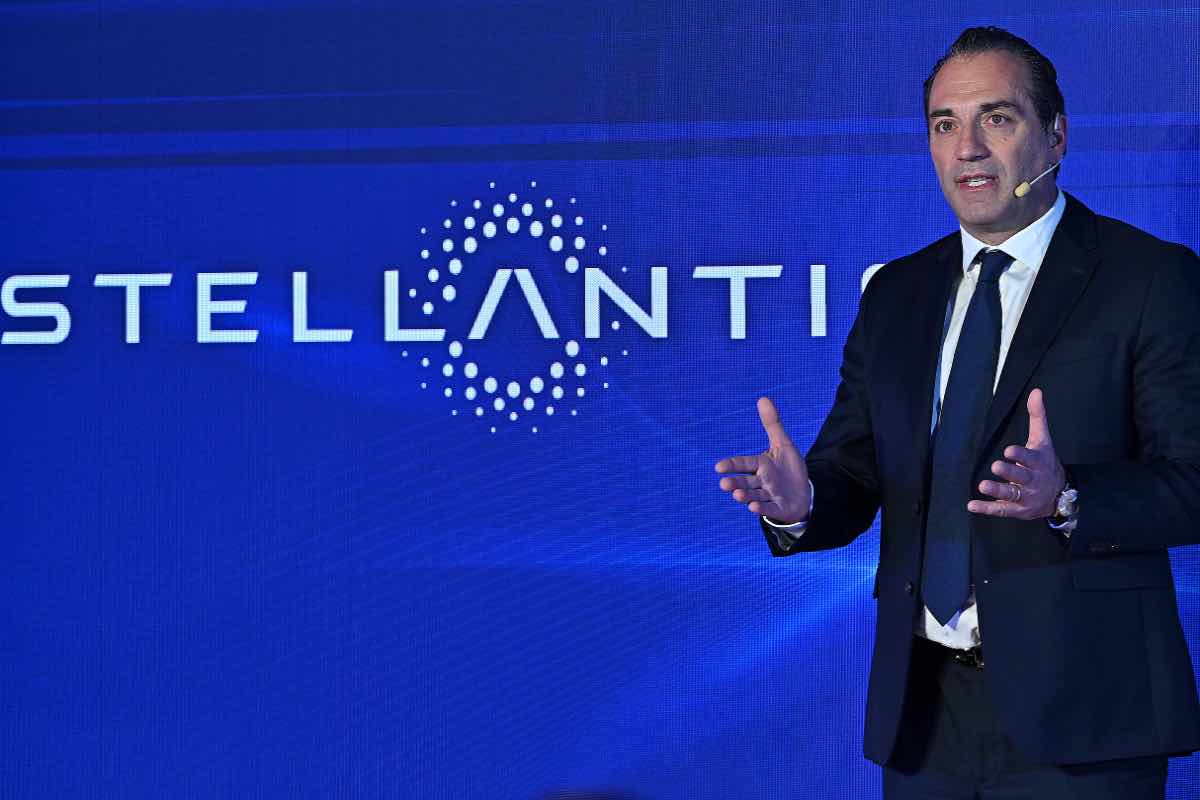
Speaking from the stage of the Detroit Auto Show, Antonio Filosa stated that Stellantis has no intention of dismantling its brand portfolio. All fourteen brands will remain in place, putting an end to rumors about a possible sale of Maserati or other historic marques. This clear stance aims to reassure investors and industry insiders, even though it also reflects a deeper shift taking place behind the scenes.
With the departure of Carlos Tavares, Stellantis has entered a true phase of transition. Filosa now faces a complex situation shaped by years of strategies heavily focused on electrification. In the United States, however, that approach failed to deliver the expected results. As a result, the new leadership has acknowledged a key reality: the American market is not ready for a forced shift to full electric mobility.
Stellantis changes course in the U.S. as Filosa redefines strategy
The priority has therefore become volume. To achieve that goal, Stellantis needs affordable and appealing products. The group has decided to rethink its North American strategy, scaling back the role of full electric vehicles and abandoning the increasingly unrealistic target of reaching 50 percent EV sales by 2030. Instead, the focus will return to powertrains that better match real customer demand, namely gasoline engines and conventional hybrids.
This change also affects technology choices. Plug-in hybrids, which until now played a central role, especially within the Jeep lineup, will gradually lose importance. Despite solid sales figures, data revealed that many customers rarely recharge their vehicles, ending up with heavier and less efficient cars. This reality pushed Stellantis to rethink the entire approach, shifting investments toward traditional hybrids and internal combustion engines.
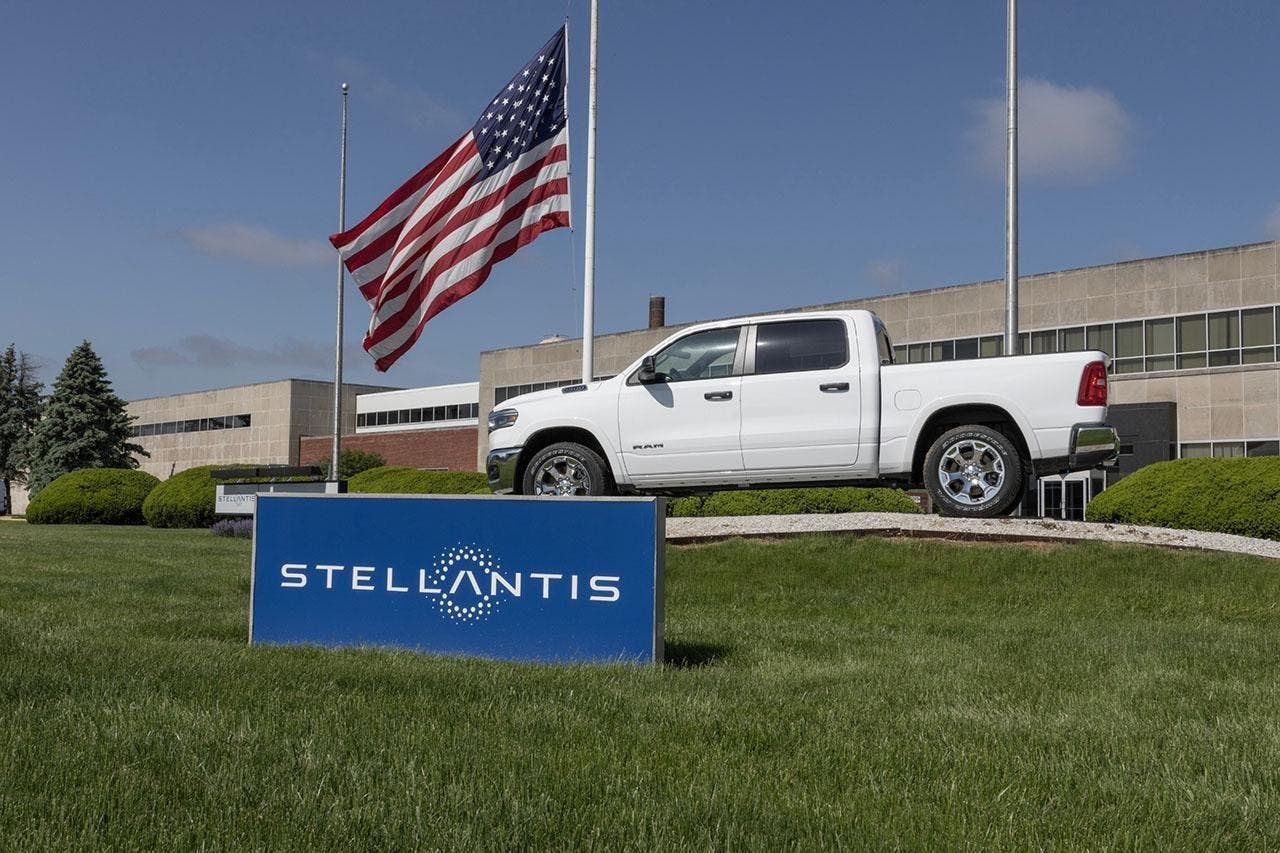
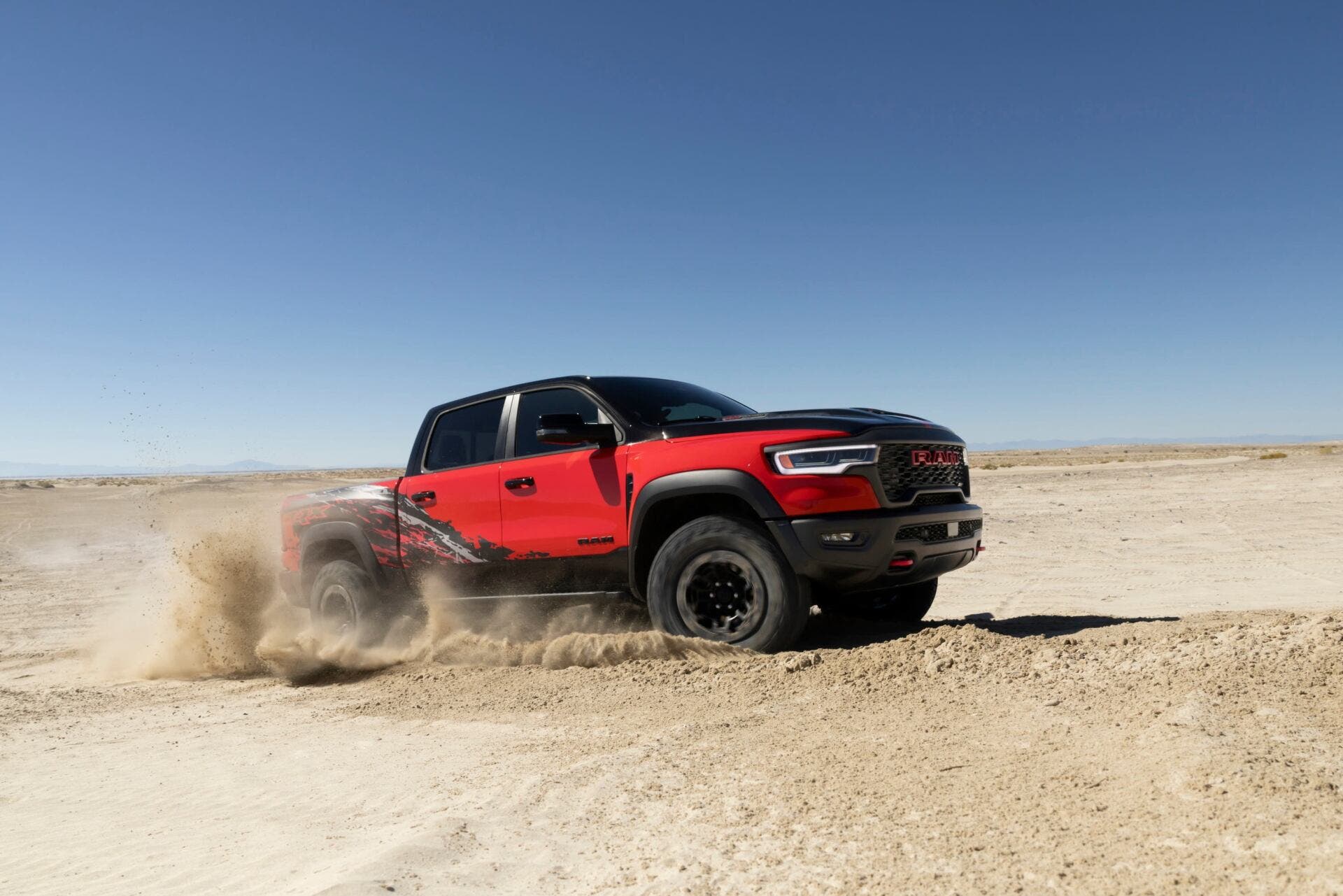
Within this context, the return of the HEMI V8 makes sense. The iconic engine will once again power selected Ram models, including the TRX. This decision carries both symbolic and practical value, as it aims to win back customers who felt overlooked in recent years. At the same time, Ram is preparing a new midsize pickup designed to fill a gap in the lineup and directly challenge Ford and Toyota in one of the most profitable segments of the U.S. market.
Jeep will also play a central role in this new phase. Over the next twelve months, the brand will introduce updates or new versions of four models, including the return of the Cherokee nameplate. This model will not be electric, but rather a high-volume SUV aligned with the group’s revised strategy.
Supporting this shift is a $13 billion investment plan in the United States, aimed at modernizing plants and strengthening the product lineup. The move also carries political weight, as Stellantis seeks to reinforce its image as a manufacturer deeply rooted in the American market.
With Filosa at the helm, the group appears to have closed the chapter on ideology-driven decisions. The focus is now on redefining strategy and adapting it to current market conditions, with the goal of restoring volumes and aligning the product offering more closely with actual demand. The future may look less “green,” but it aligns far more closely with what the market is asking for today.