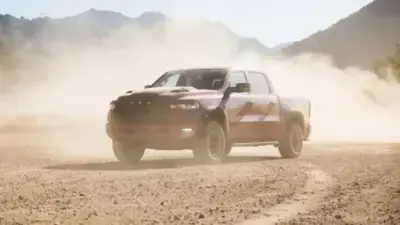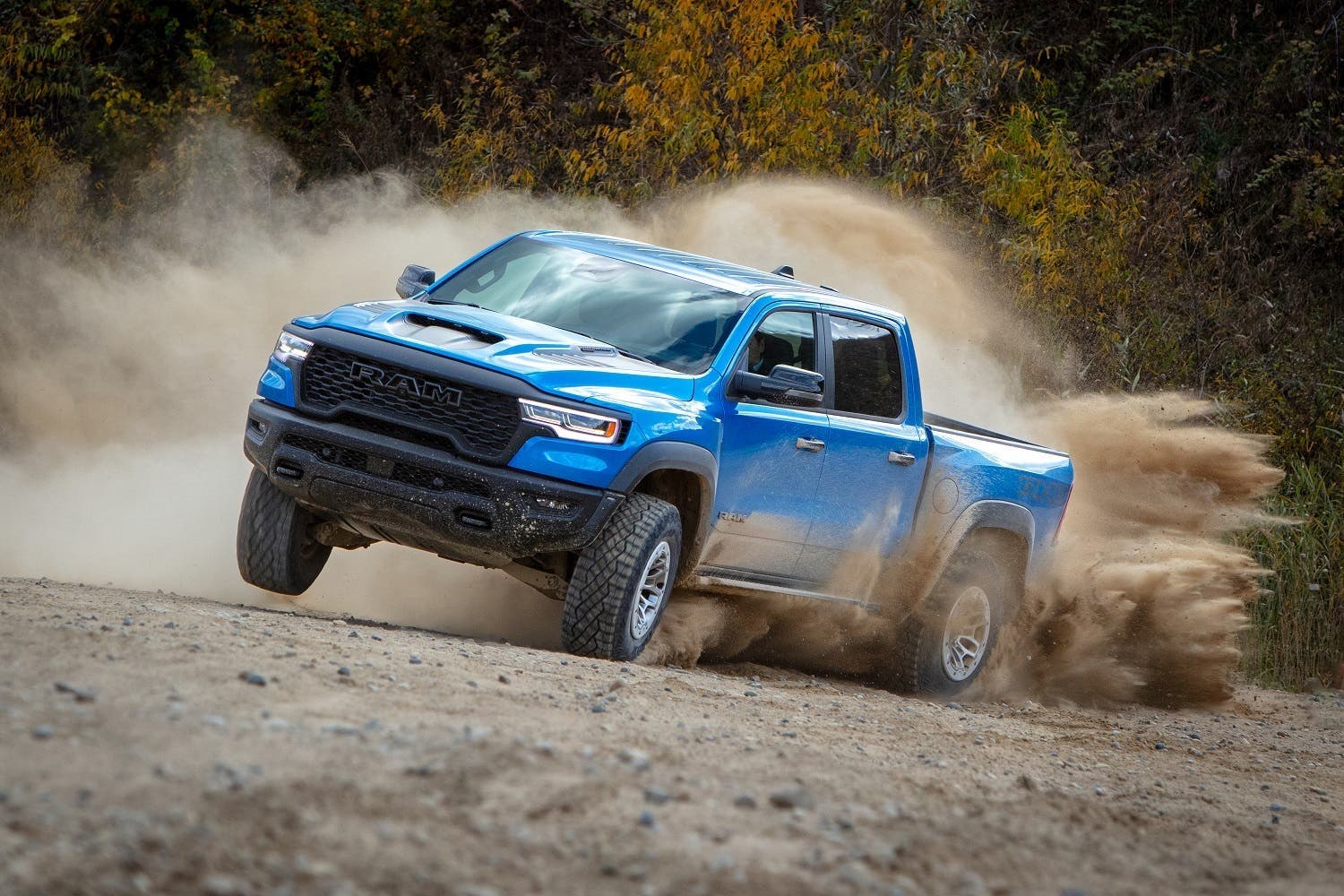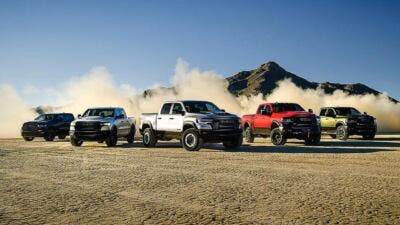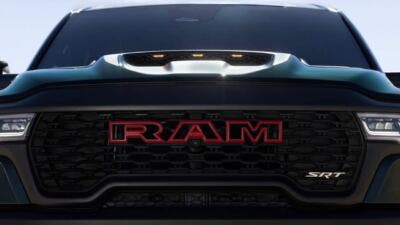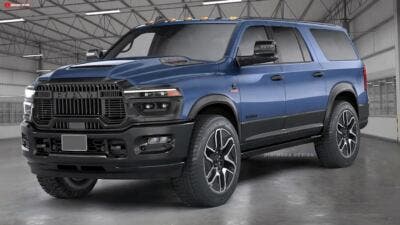
Ram will return to the midsize pickup segment in 2028 by reviving the Dakota name for the U.S. market, more than 15 years after the previous generation disappeared from showrooms in 2011. Stellantis will build the new truck at the Toledo Assembly Complex in Ohio, where it already produces the Jeep Wrangler and Gladiator, allowing Ram to fill one of the most obvious gaps in its lineup.
Ram Dakota returns in 2028 with production confirmed for Toledo
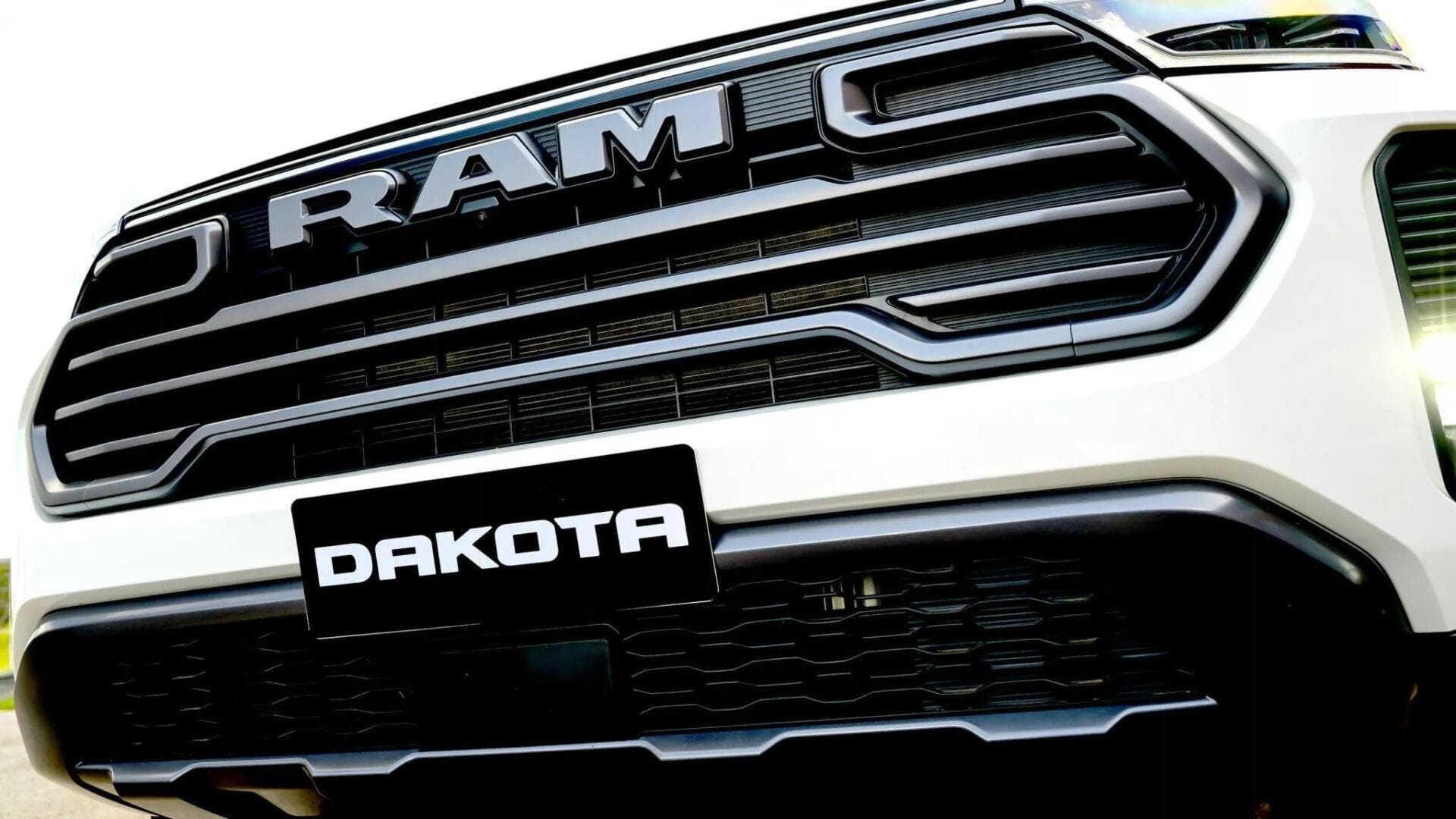
Stellantis confirmed the name during Jeep’s 85th anniversary celebrations at the plant, an event also attended by CEO Antonio Filosa. The group had already announced a new midsize pickup and the decision to move production from Belvidere to Toledo, but it had not officially revealed the model’s name.
Stellantis will invest nearly $400 million to upgrade the complex and prepare it for a third vehicle. The project should create more than 900 jobs and allow the Dakota to share the plant with the Wrangler and Gladiator, keeping a significant part of the group’s rugged vehicle production in Ohio.
The new pickup will need to distinguish itself from the Gladiator, which competes in the same segment but focuses heavily on off-road capability and retains close ties to the Wrangler. Ram will need a more versatile model suited to both work and everyday driving, with a genuinely practical bed and towing capacity that meets North American expectations.
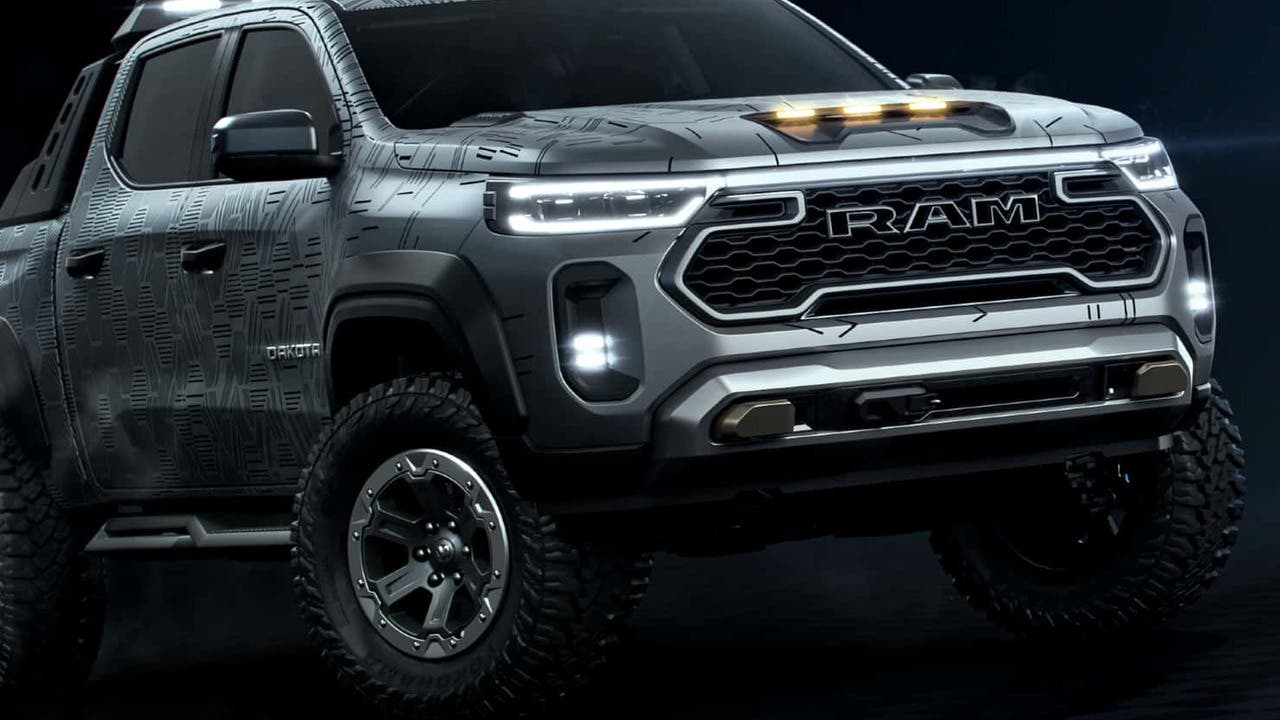
Stellantis has not yet revealed the truck’s dimensions, engines, or technical specifications, so any information about its mechanical layout remains provisional.
The Dakota will return to a far more crowded market than the one it left in 2011. The Toyota Tacoma and Ford Ranger compete alongside the Nissan Frontier, GMC Canyon, and Chevrolet Colorado. These models benefit from established customer bases and cover a wide range of needs, from basic work trucks to expensive off-road versions.
Ram will need to find space among those rivals through competitive pricing, durability, and a lineup that avoids excessive overlap with the larger Ram 1500. The Dakota name could help reconnect the brand with drivers who remember the previous model, but success will depend mainly on how well the new truck responds to a segment that has become more competitive and technologically advanced.
The previous Dakota carried the Dodge badge, while Ram became an independent brand in 2009. The comeback will therefore introduce the name under a different commercial identity and mark its first appearance in the U.S. Ram lineup.