
Stellantis began 2026 with a result that sends an encouraging signal to the market. In the first quarter of the year, the group estimates consolidated shipments at 1.4 million vehicles, up 12 percent from the same period of 2025. That figure points to a positive start to the year and reflects especially strong performance in Enlarged Europe and North America, while South America and the Middle East & Africa also contributed.
For Stellantis, the shipment figure carries particular weight because it includes vehicles transferred to dealers, distributors, fleets, and final customers. That makes it a useful indicator for understanding both the group’s operating trend during the quarter and the direction of its revenue.
Stellantis starts 2026 with a 12 percent jump in global shipments
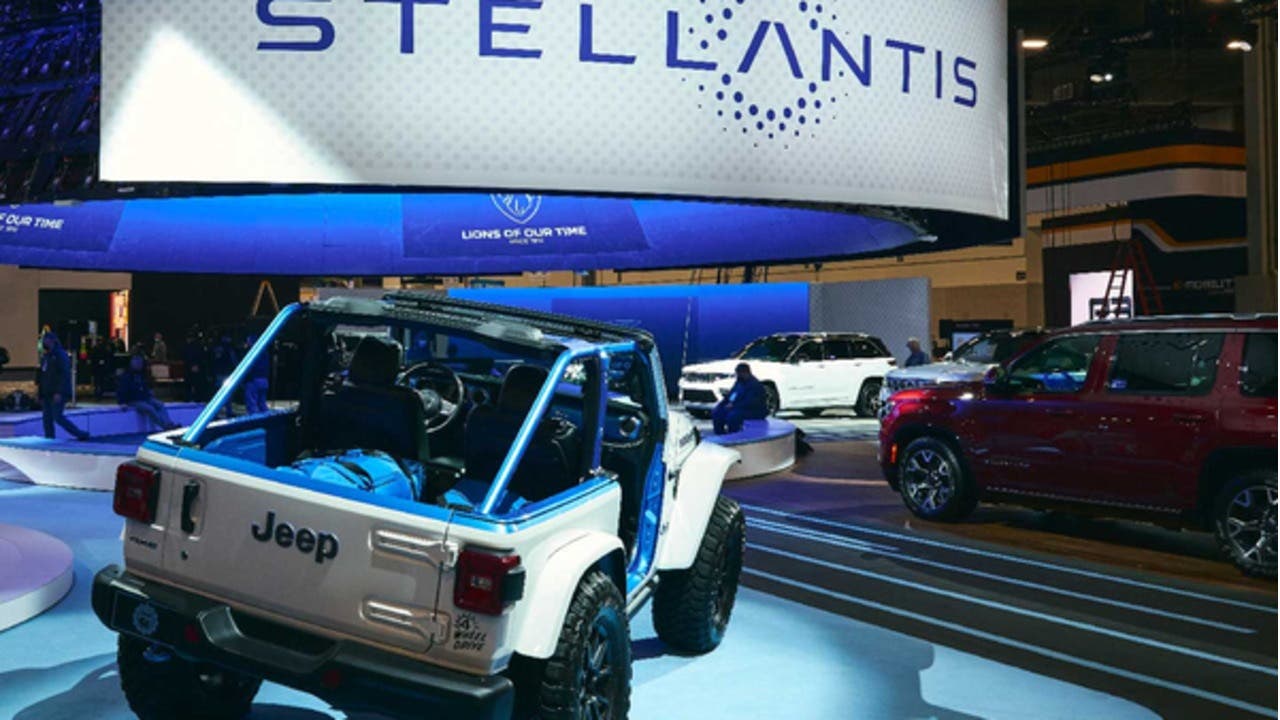
North America delivered one of the most important contributions. There, Stellantis added about 54,000 units compared with a year earlier, equal to growth of 17 percent. Key models drove most of that increase, including the Ram 1500 HEMI V8, the updated Jeep Grand Wagoneer, and the new Jeep Cherokee. The decline of the Jeep Compass partly offset that progress, although the group links that drop to the ramp-up of Cherokee production at the Toluca plant.
In absolute terms, however, Enlarged Europe delivered the biggest boost. Stellantis added about 69,000 shipments there for a 12 percent increase. Light commercial vehicles remained essentially stable at 135,000 units, while passenger vehicles did most of the heavy lifting. Models built on the Smart Car platform from Citroën, Opel/Vauxhall, and Fiat played a decisive role. Together, the Citroën C3, C3 Aircross, Opel/Vauxhall Frontera, and Fiat Grande Panda generated about 48,000 additional units, equal to growth of 85 percent. Leapmotor also posted strong momentum in the same region, reaching 27,000 shipments and adding 22,000 units, helped above all by the T03’s performance in Italy’s affordable EV market.

The Middle East & Africa also delivered a positive result, with Stellantis adding about 11,000 units for an 11 percent gain. Turkey made the strongest contribution, helped by normalized inventory levels and by strong market reception for the new Smart Car models from Citroën and Opel. Algeria also performed well as local production continued to rise. The Gulf countries, by contrast, posted a much weaker result, with shipments falling sharply.
In South America, Stellantis added about 8,000 units, equal to growth of 4 percent. Brazil drove the region forward with roughly 17,000 additional shipments, while Argentina pulled in the opposite direction with a decline of about 8,000 units, affected by a softer market and growing pressure from Chinese automakers. Even so, Stellantis continues to lead the region and still holds the top position in its two main markets, Brazil and Argentina.