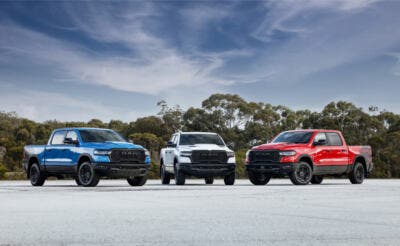
Stellantis strengthened its North American business in the second quarter of 2026, with regional shipments rising 38% from a year earlier to 445,000 vehicles. Enlarged Europe also recorded a 5% shipment increase, but flat revenue, weaker pricing and a negative operating margin showed that higher volume did not produce the same financial progress. The uneven recovery gives CEO Antonio Filosa two different priorities: build on renewed U.S. momentum while restoring profitability across Europe.
Stellantis’ U.S. comeback accelerates as Europe continues to struggle

Jeep and Ram led the North American advance and helped two of Stellantis’ most important profit drivers regain traction. U.S. sales rose 6% even as the overall market declined 0.3%, lifting the company’s market share by 40 basis points to 7.4%. Ram sales increased about 11%, while retail demand rose 43% for the Jeep Grand Wagoneer and 9% for both the Ram 1500 and Dodge Durango.
The improvement follows a difficult period in which Stellantis lost U.S. market share and struggled to align pricing, inventory and its product lineup with customer demand. New and refreshed models, a broader selection of powertrains and more disciplined commercial policies have helped bring shoppers back. North American revenue climbed 32% during the quarter, giving the group a stronger base from which to rebuild its U.S. business.
The 38% shipment increase does not mean Stellantis has resolved every structural weakness. U.S. sales grew by a much smaller 6%, suggesting that dealer inventory replenishment also absorbed part of the additional volume. The company still needs to turn stronger shipments and sales into consistently higher margins rather than relying on volume alone.

Europe presents a more challenging picture. Shipments increased to 762,000 vehicles, supported by new models and higher industry demand, but regional revenue remained flat. Stellantis reported a negative 0.6% adjusted operating margin in Enlarged Europe, while its EU30 market share fell 80 basis points to 16%.
Chinese automakers add further pressure by offering well-equipped electric vehicles at aggressive prices. Stellantis must defend its position without relying so heavily on discounts and subsidized financing that additional sales deliver little financial benefit. The company also needs affordable new products that match changing customer preferences while generating acceptable returns.
The broader group returned to profit, with second-quarter net revenue rising 13% to €43.5 billion and net income reaching €293 million. Adjusted operating income increased to €773 million, more than tripling from a year earlier but missing analyst expectations. The company-wide adjusted operating margin remained weak at 1.8%.
Those figures support the view that a turnaround has begun, but they also highlight the gap between North America and Europe. Filosa must turn the U.S. rebound into sustained growth without treating it as proof that the recovery is complete. Jeep and Ram have restored momentum, but Europe will require stronger pricing discipline, relevant product launches and tighter cost control before Stellantis can claim comparable progress on both sides of the Atlantic.