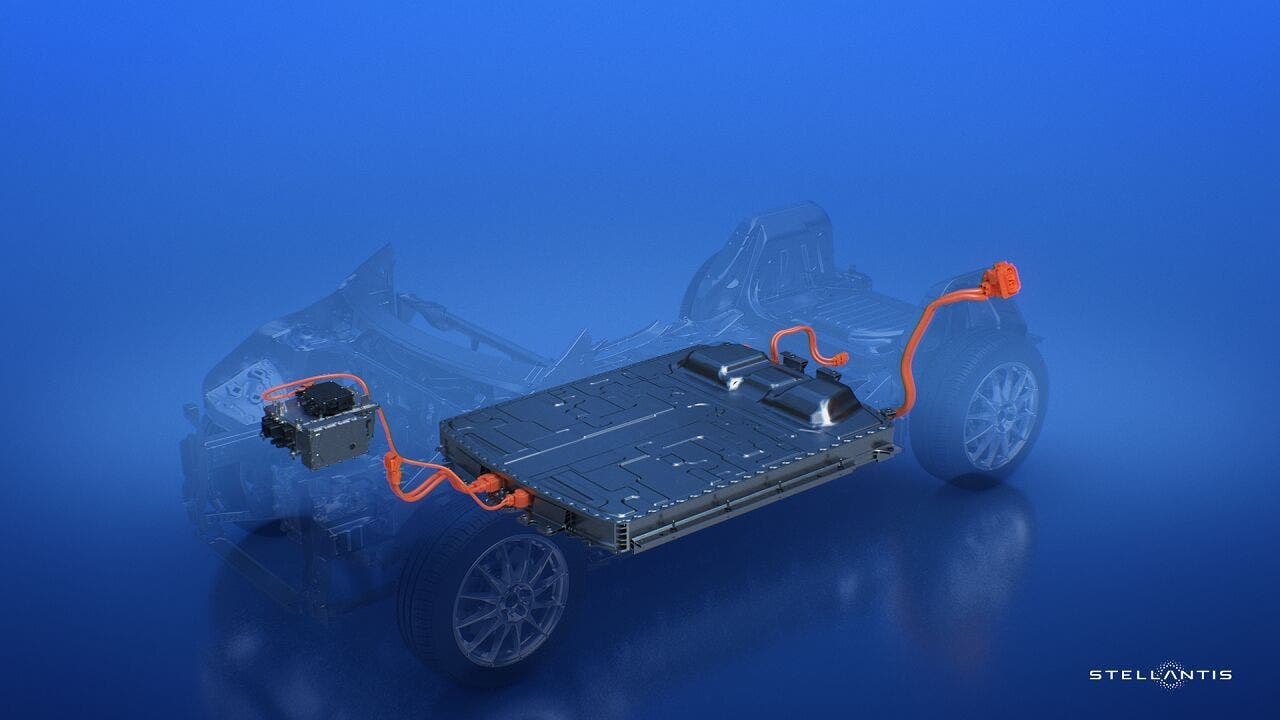
New reports from France could reshape the timeline of upcoming Stellantis launches. According to the French business daily Les Echos, several models based on the STLA Small platform will face delays compared to the original schedule. These postponements reportedly stem from technical changes linked to the integration of combustion engines, a solution that was not planned during the first development phase of the new architecture, which was originally designed for fully electric vehicles only.
Stellantis delays STLA Small models as combustion engines return
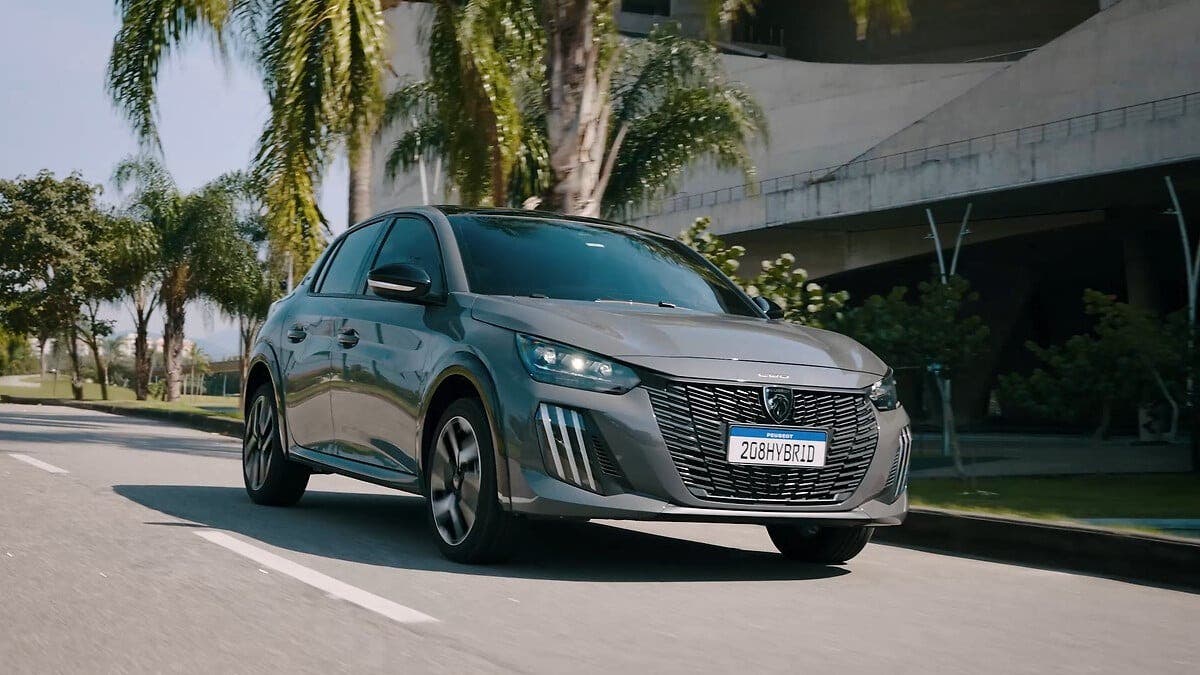
Among the models most directly affected are the future Peugeot 208 and Opel Corsa. For the next-generation 208, market launch is now expected in the summer of 2027, whereas earlier projections pointed to spring of the same year. The next Corsa, built on the same platform, could be pushed back even further, to early 2028. The new Peugeot 2008 would follow, with a debut now scheduled for May 2028. According to sources close to the French brand, an additional compact SUV with proportions similar to the recent Renault Symbioz is also under development.
The core issue lies in adapting the STLA Small platform to a multi-energy lineup. The architecture was initially designed to support only electric powertrains. However, market evolution and new industrial strategies have made the introduction of hybrid and combustion solutions necessary. This situation recalls what already happened with the delays of the new Alfa Romeo Stelvio and Giulia, which were also slowed by powertrain decisions.
Also new Alfa Romeo model delayed?
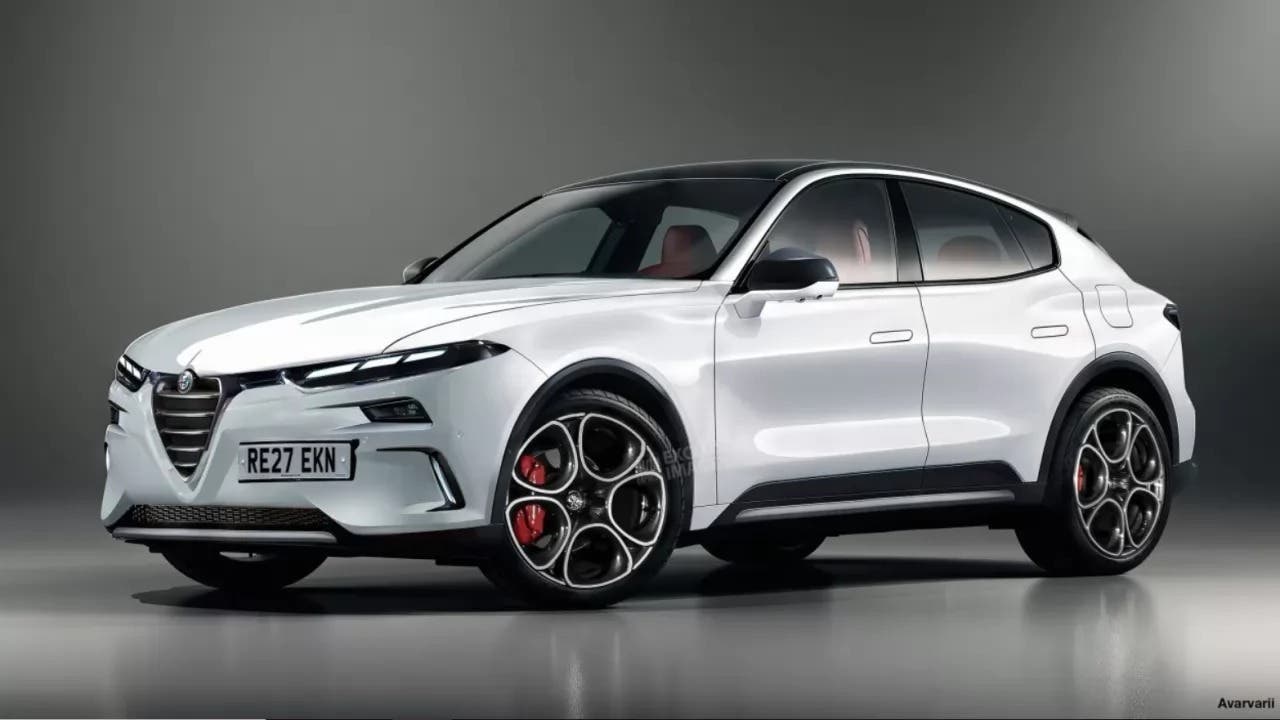
Alfa Romeo, in particular, stands under close watch in this scenario. A new Alfa Romeo model based on STLA Small is expected to slot between the Junior and the future Tonale, with an estimated length of around 4.3 meters. Opinions on its positioning differ. Some see it as a compact crossover, while others believe it could symbolically take over the role once held by the Giulietta. Its launch was initially expected in 2028. However, due to the current delays, the timeline now appears to be shifting toward 2029 or even 2030.
Within the group, sources close to the projects say the situation remains highly fluid. Decisions continue to evolve in response to market trends, European regulatory uncertainty, and the new strategic direction introduced by CEO Antonio Filosa. This environment makes industrial planning extremely complex, especially as the energy transition already puts strong pressure on schedules. As a result, Stellantis must constantly recalibrate investments, timing, and priorities in an effort to remain competitive while keeping control of its production roadmap.