After years of technical problems, recalls, and a steady decline in the PureTech engine’s reputation, Stellantis is preparing to introduce the Turbo 100 in Europe, a 1.2-liter turbocharged three-cylinder engine that the group presents as the beginning of a different phase in its combustion-engine strategy.
Over time, the PureTech case turned into a matter of trust with a significant share of European customers, to the point that the changes introduced on the most recent versions did not manage to reverse a perception that had already become deeply rooted. The new engine enters this context with the ambition of marking a real break from the past rather than acting as a simple evolution of it.
After PureTech, Stellantis bets on the new Turbo 100
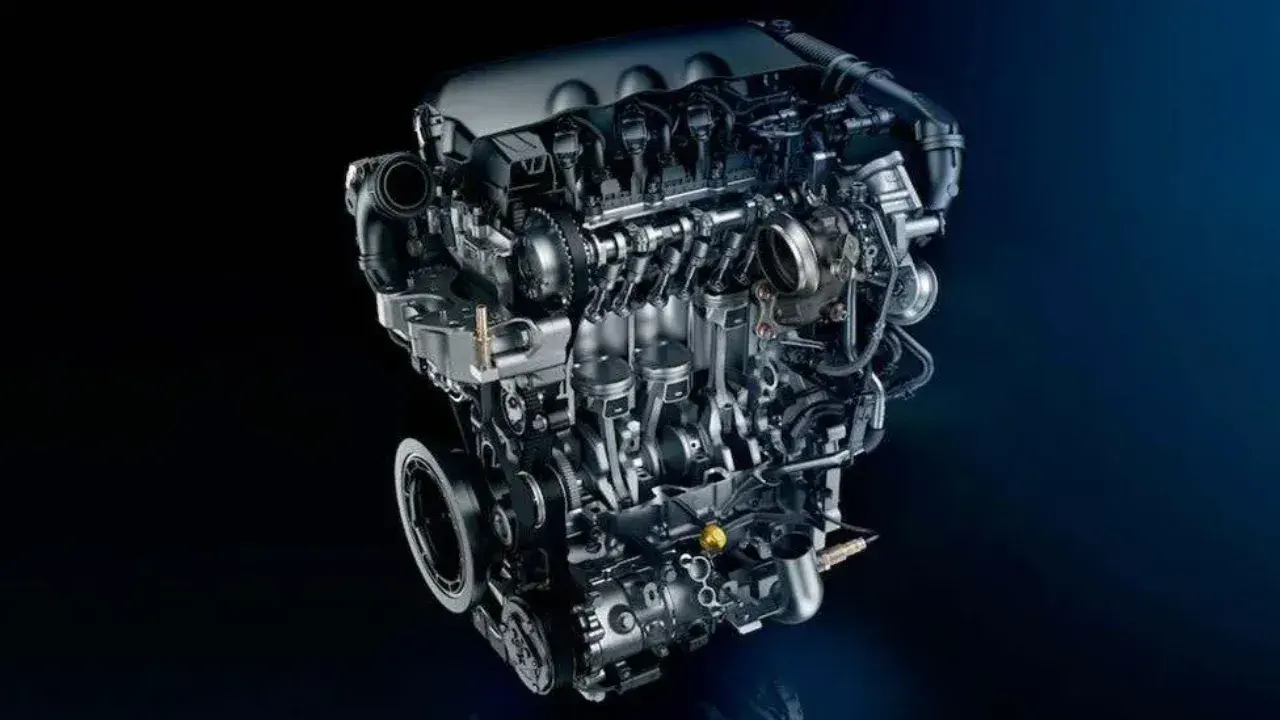
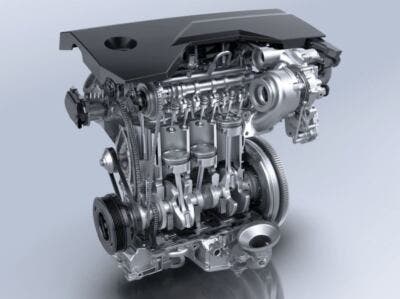
Stellantis is keen to stress that the Turbo 100 is not an updated PureTech. The architecture remains that of a 1.2-liter three-cylinder, but the group says it has redesigned about 70 percent of the components, starting with the timing system, where a chain replaces the oil-bath belt that over time became one of the most heavily criticized elements of the previous unit.
Output stands at 100 horsepower at 5,500 rpm, with 205 Nm of torque available from 1,750 rpm. These figures aim to favor flexibility and responsiveness in everyday use rather than outright performance, and they come together with a variable-geometry turbocharger and a 350-bar direct-injection system.
Alongside the Turbo 100, Stellantis will also be able to rely on the Hurricane 4, a turbocharged four-cylinder engine that has already established itself in the United States on models such as the Dodge Charger and Jeep Wagoneer in much more performance-oriented configurations. However, that engine was developed for a context very different from the European one, with different regulatory and market-positioning requirements. In Europe, the real battle will center on the Turbo 100, which will power the group’s highest-volume models.

The area where the new three-cylinder will face the toughest test is long-term reliability. The group has reported 30,000 hours of bench testing, 3 million kilometers covered by prototypes, and some units that reportedly exceeded 200,000 kilometers without significant issues, figures clearly intended to signal a higher level of rigor than in the past.
The real verdict, however, will come only when the engine faces daily use across thousands of cars, high mileage, and all the variables that only the road can truly test, in a context where, after what happened with the PureTech, the public’s margin of tolerance will likely remain very limited.
The first European car to receive it will be the Peugeot 208, followed by the 2008 and later by other models including the new Fiat 600, a sequence that confirms the central role assigned to the Turbo 100 in Stellantis’ highest-volume segments in Europe. The decision to debut it in the 208, one of the best-selling models in the entire Stellantis range, shows how strongly the group believes the engine is ready to meet the expectations of a market that is unlikely to grant a second margin for error.