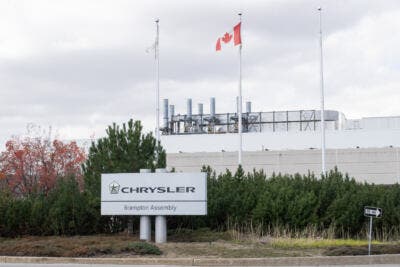
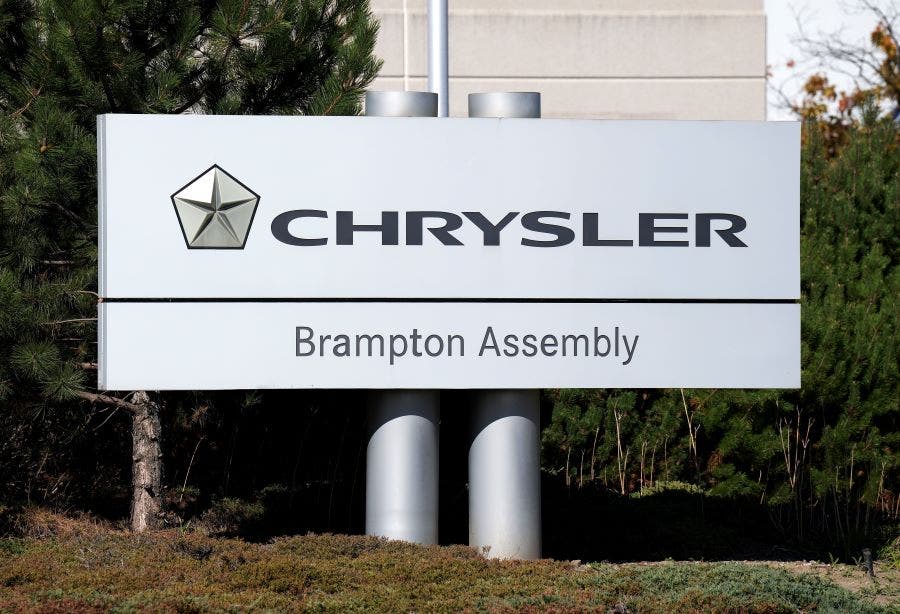
The possible reactivation of Stellantis’ Brampton plant through the assembly of Leapmotor electric vehicles has opened a new source of tension in Canada involving the automaker, federal and provincial institutions, and the country’s industrial sector. Stellantis shut the Ontario plant after dropping the project tied to the new Jeep Compass. Now, reports suggest the company could bring the site back to life through final assembly work on vehicles designed and industrialized in China, and that idea has triggered broad opposition that has grown more explicit in recent weeks.
Leapmotor plans for Brampton are becoming a major political problem in Canada
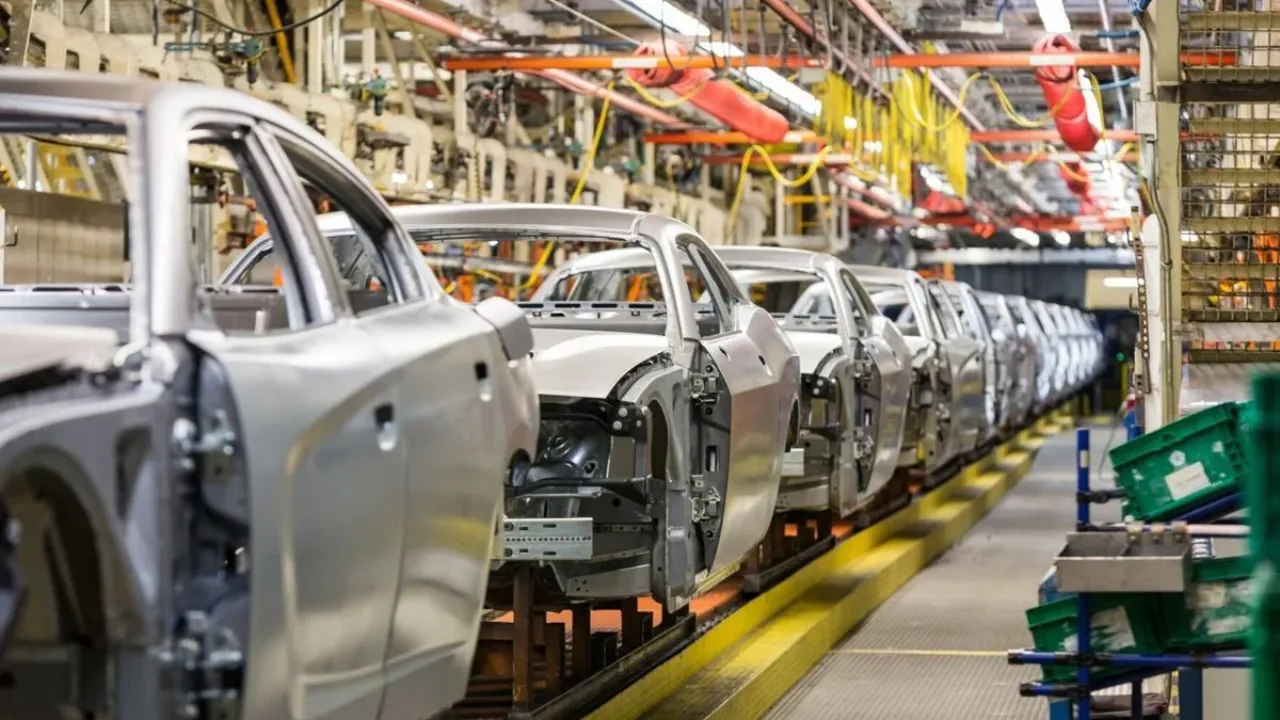
Based on what has emerged so far, the operation could rely on a commercial agreement between Canada and China that would make it easier for Chinese electric vehicles to enter the local market. Even so, critics are reacting less to the brand’s origin than to the type of activity Brampton would actually host. Most observers fear Stellantis would not use the plant for true manufacturing. Instead, they believe the company would reassemble nearly complete kits shipped from China, a formula that would leave only a marginal industrial benefit in Canada compared with what a fully operating factory would generate.
Flavio Volpe, president of Canada’s Automotive Parts Manufacturers’ Association, gave that concern a very direct image. He described the proposed setup as an “IKEA-style” model, with vehicles arriving from China largely finished but partially disassembled, only for a small number of workers to put them back together.
In Volpe’s view, that kind of operation would not activate local supply chains or generate meaningful volumes of component purchases inside Canada, the two factors that separate a true industrial plant from a simple end-of-line logistics station. The numbers tied to Brampton make the difference between those two scenarios especially clear. A plant running at full capacity could support as many as 12,000 jobs and generate about $3 billion in supply activity each year in Canada.
On the political side, opposition has been nearly unanimous. Federal Industry Minister Melanie Joly, Ontario Premier Doug Ford, and Unifor national president Lana Payne have all taken the same basic position. They want Stellantis to honor the commitments it originally made for the site, and they reject the idea that final assembly of vehicles whose industrial value comes almost entirely from elsewhere should count as Canadian production.
The case fits into a broader story involving Leapmotor’s growing weight in Stellantis’ international strategy. The group bought a significant stake in the Chinese automaker in 2023, and since then it has supported the brand’s expansion across multiple markets, from Europe to South America. If Stellantis uses Canada as a platform for Leapmotor models, the move could reflect a broader plan for the North American market as a whole. That larger possibility explains why people outside Canada are also watching the issue closely, because if one operation of this kind gains acceptance, it could open the door to similar moves in other parts of the world.