
The faSTLAne 2030 plan, through which Stellantis aims to relaunch the group with sixty new models and investments of around €60 billion, initially received a positive response from investors, but that reaction soon gave way to greater caution. According to Forbes, the market has started asking for clearer answers on timing, priorities and execution tools. The decline in Stellantis shares in the sessions following the presentation confirmed that the strategy needs more solid details to support its credibility.
Stellantis faces analyst doubts despite ambitious faSTLAne 2030 plan
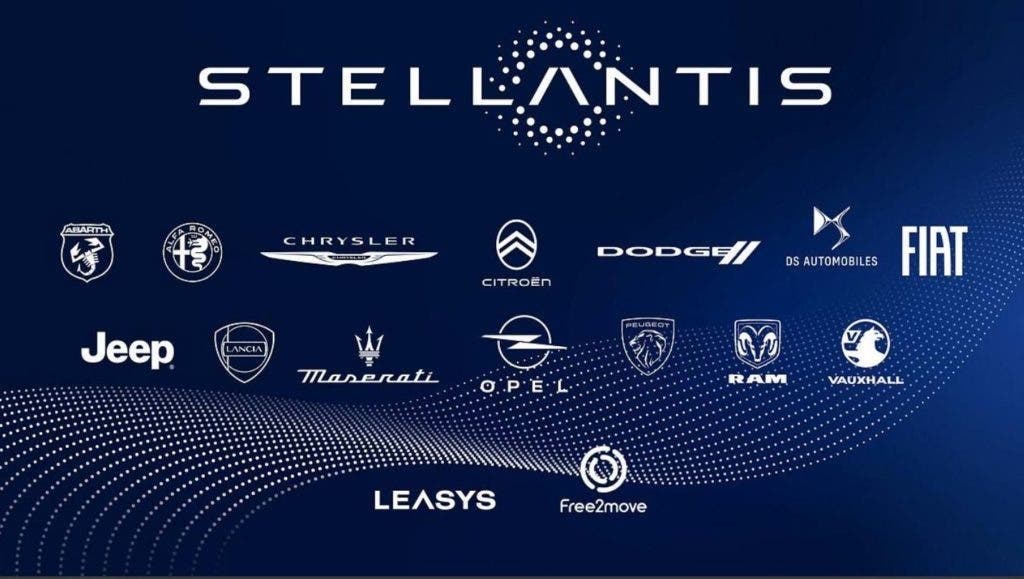
One of the points that raised the most doubts concerns the decision to keep all fourteen group brands active without closing any plants, while only reducing activity at some facilities. Frank Schwope, automotive consultant and lecturer at FHM Berlin, noted that this choice could increase costs and overlap. He pointed in particular to Maserati, which continues to struggle with weak sales volumes, and raised similar doubts about Lancia, Chrysler and DS, brands with recognizable identities but still limited numbers.
The management of the European range represents another key issue. Steve Young, managing director of ICDP, highlighted the risk of having too many similar models in the same segments. Stellantis must coordinate brands such as Fiat, Peugeot, Citroën, Opel, Lancia, DS, Alfa Romeo and Jeep in Europe, often with cars close in size, price and platform. Technical sharing remains essential to reduce costs, but it could become a weakness if individual brands lose recognizability.
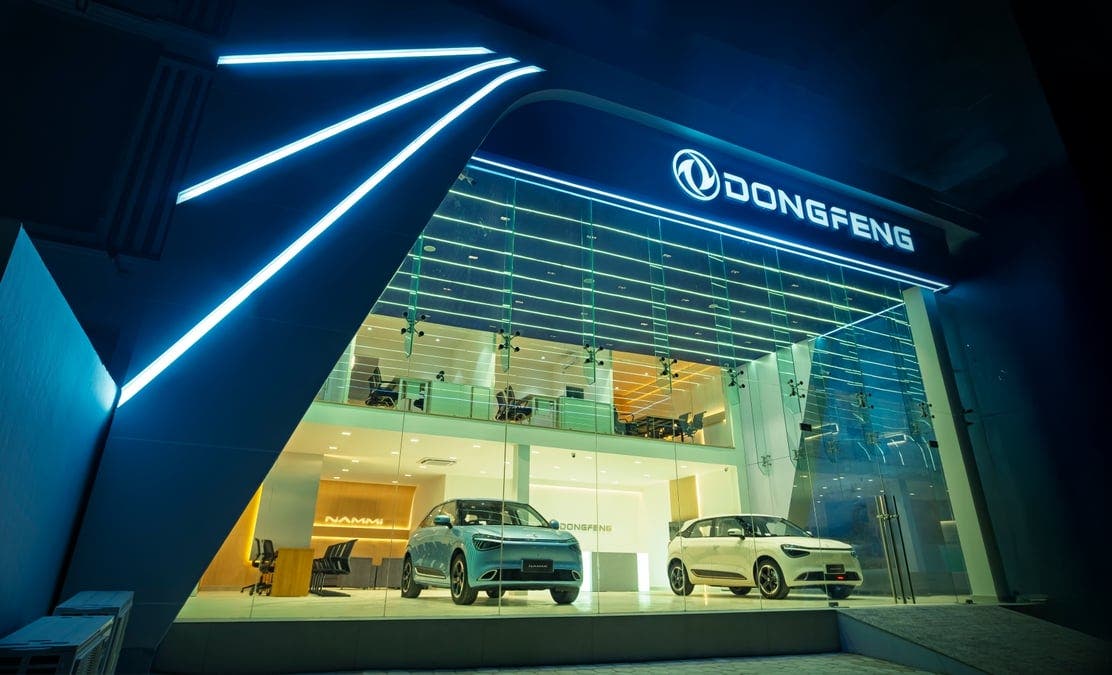
Pedro Pacheco, senior research director at Gartner, instead pointed to the lack of precise operational indications on how Stellantis intends to reach its 2030 targets. He also focused on the group’s growing reliance on Chinese partners such as Leapmotor and Dongfeng for electric technologies. These collaborations can help reduce costs and launch times, but they also raise questions about Stellantis’ industrial independence.
Bernstein also maintained a cautious position, describing the targets of a 7% adjusted operating margin and €6 billion in free cash flow as achievable but still unproven. Stellantis has set an ambitious direction, but the gap between announcements and operational results remains the central issue for the market.