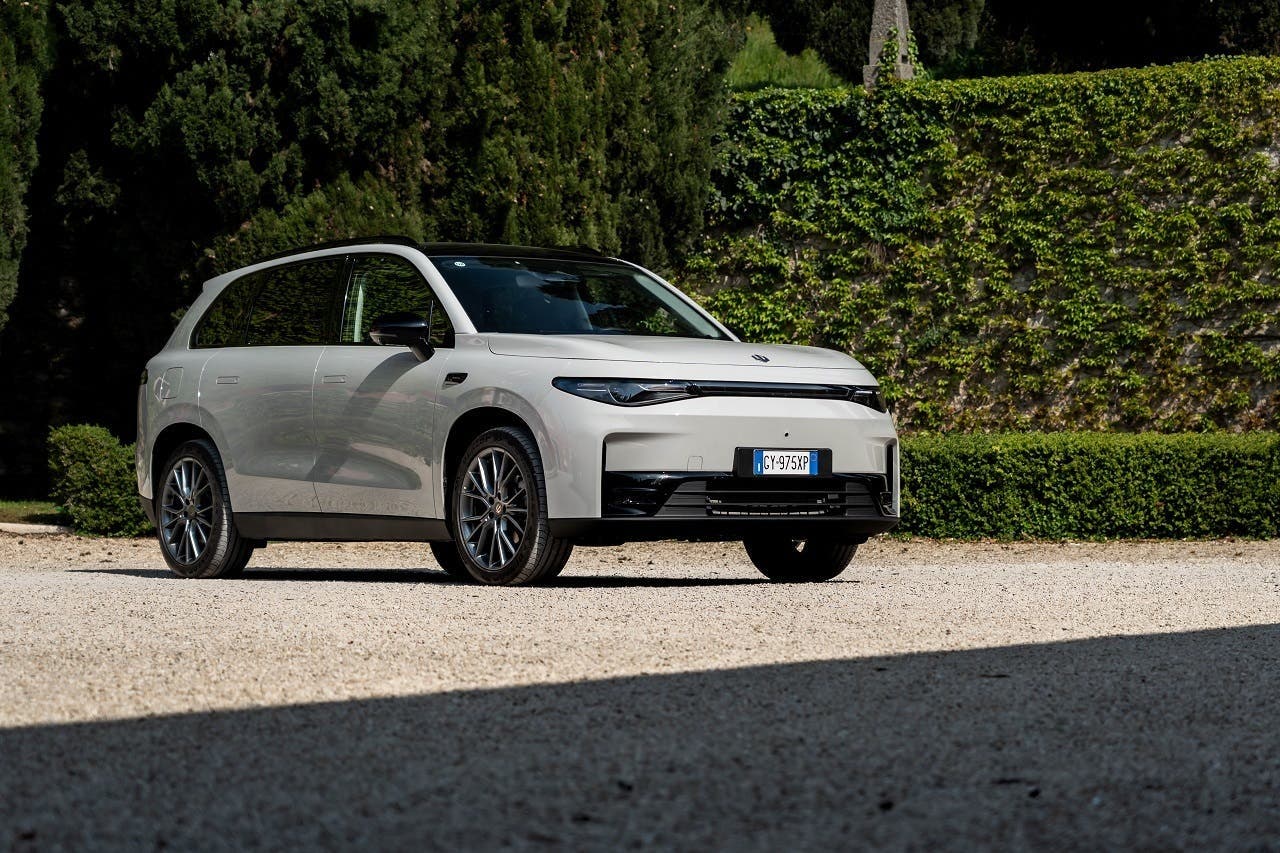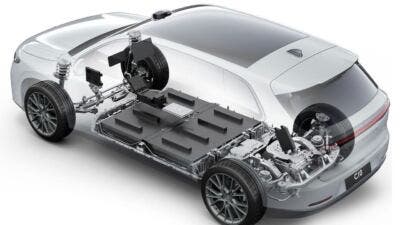
Leapmotor has developed a range-extender technology that is attracting attention inside Stellantis. The Chinese brand, now part of the European group’s orbit, has strongly focused on EREV (Extended Range Electric Vehicle) systems capable of approaching 1,000 kilometers of total driving range. The new B10 REEV promises up to 900 kilometers without the need to recharge or refuel frequently.
Stellantis eyes Leapmotor range-extender tech for up to 900 km autonomy
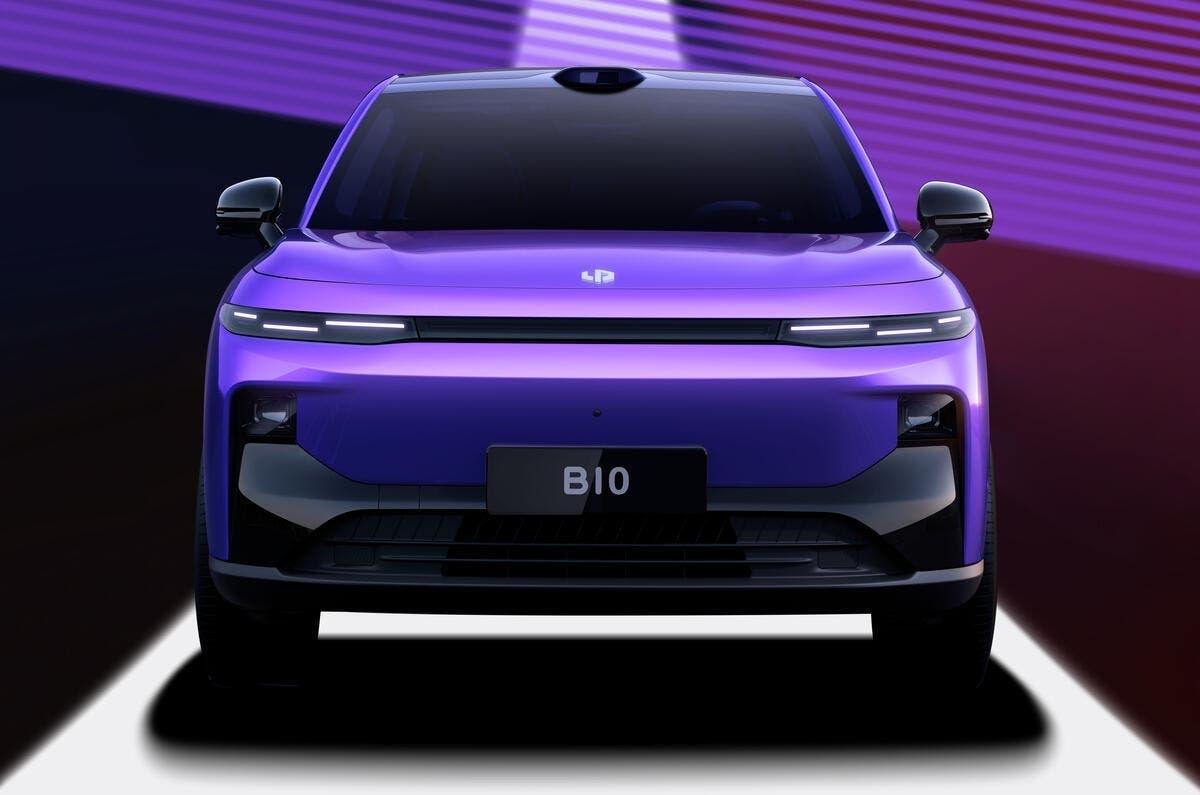
According to recent reports, this solution could soon be shared with five Stellantis brands. The names mentioned include Citroën, Peugeot, DS Automobiles, Fiat and Opel, while premium-oriented brands such as Lancia and Alfa Romeo would remain excluded.
The Chinese automaker describes the system as an “ultra-hybrid” and its operation follows a specific logic. A gasoline engine activates only when the battery drops below a certain threshold, usually between 20% and 30%. At that point, it generates energy to power the electric motor or recharge the battery. The layout follows a serial hybrid architecture where the combustion engine never drives the wheels directly and acts solely as a generator.
The situation, however, is more complex. Leapmotor maintains a certain level of strategic autonomy within Stellantis, which allows it to negotiate specific terms for broader cooperation. In practice, the Chinese manufacturer would not share a key technology without receiving meaningful concessions. These may not necessarily relate to electrification, where Leapmotor already holds strong expertise, but could involve other technical or industrial areas where the European group can provide value.
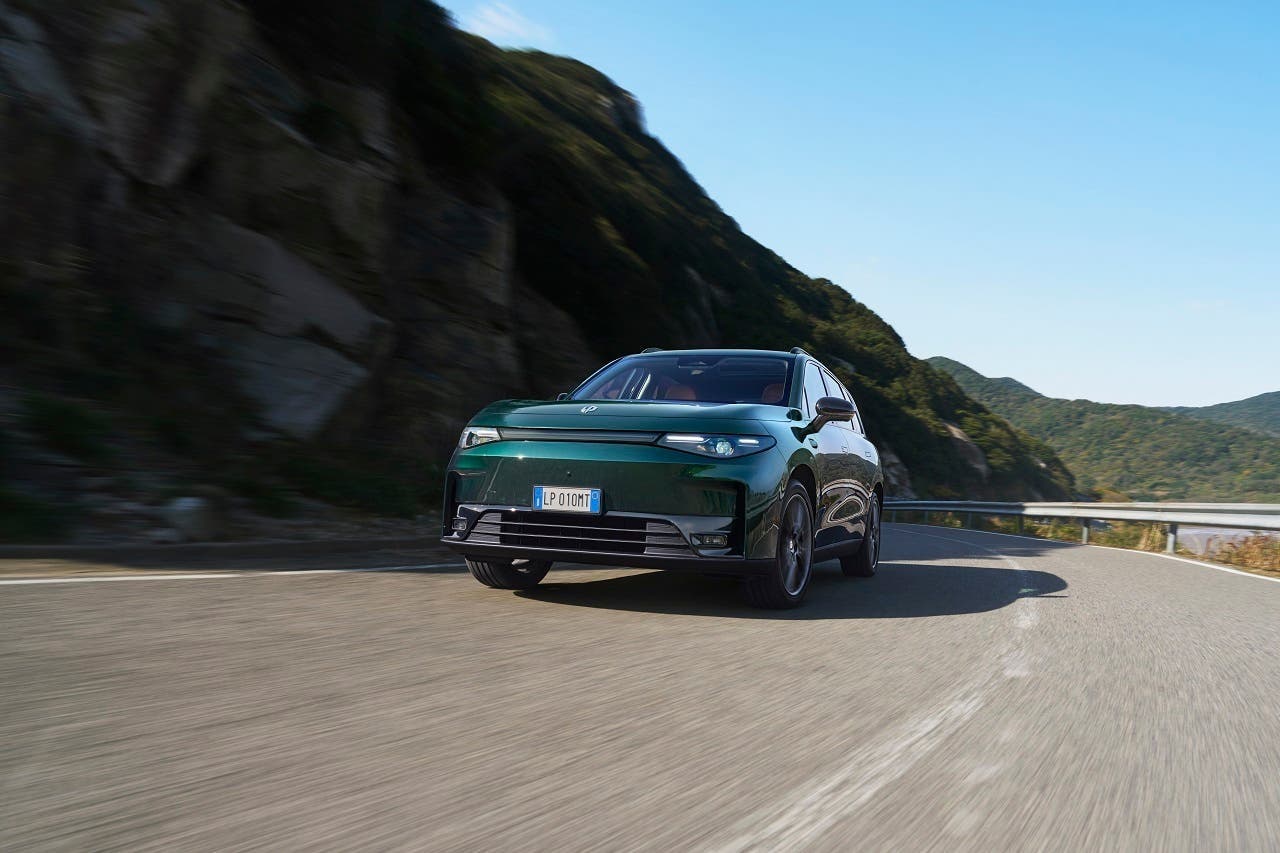
Stellantis holds a vast technological portfolio that could support negotiations, yet any agreement would require careful balance. Sharing an efficient solution such as EREV could shift internal dynamics within the group, especially in entry-level segments where Citroën might end up competing directly with the Chinese brand in the European market.
The situation also reflects a broader issue. Some innovations, such as safety systems, can be developed collaboratively across manufacturers without difficulty. Others may need to remain exclusive to a single brand, preserving strategic freedom for those willing to invest in specific technologies. Leapmotor has demonstrated that for many customers, full electric vehicles do not represent the only viable solution. Range-extender technology may appear more convincing, particularly for drivers who still worry about range limitations or charging infrastructure.