

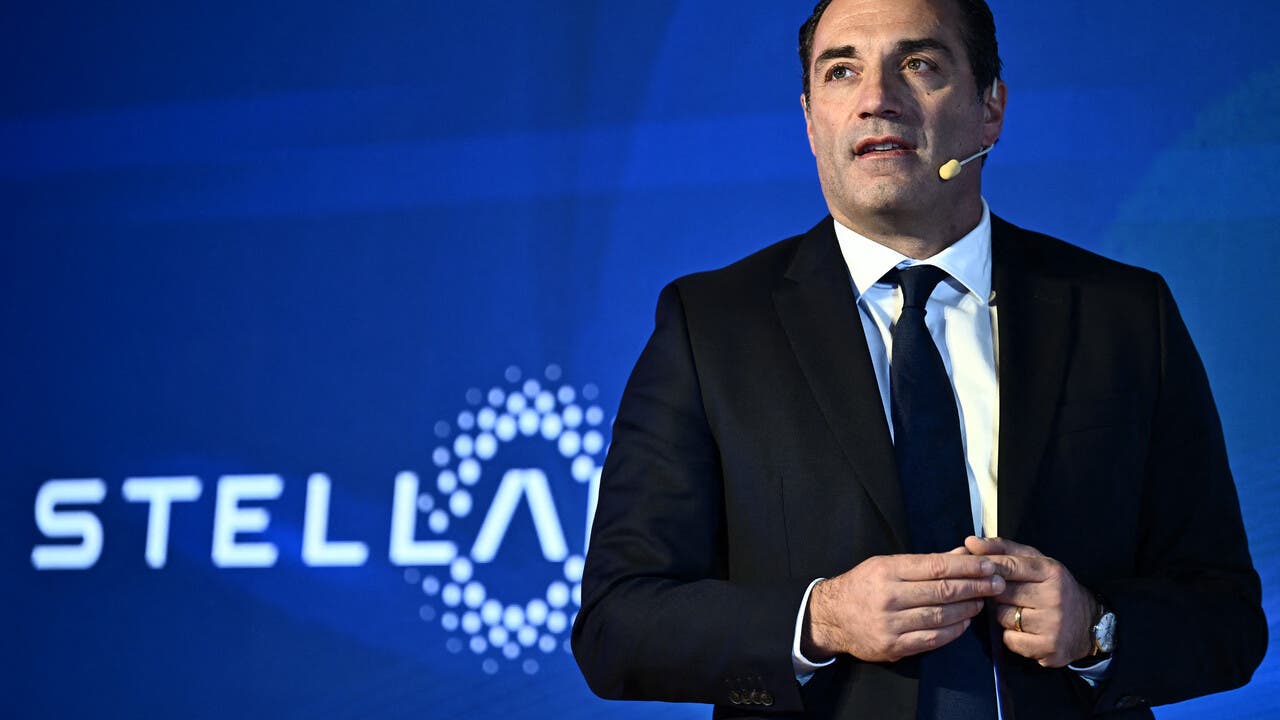
Stellantis’ 2026 Investor Day, held on May 21, marked a radical shift from the Tavares era. With Antonio Filosa at the helm, the group is moving away from the rigid structure of the previous plan and adopting a more pragmatic strategy, built around a different balance between markets, brands and technologies. The faSTLAne 2030 plan introduces a clear break that affects the energy transition, the relative weight of each brand and the internal centre of gravity of the group born from the merger between FCA and PSA.
Stellantis brings back the Italian-American axis after the end of the Tavares era

Filosa’s appointment, shaped by his long career within the Fiat-Chrysler world, looks like a signal of rebalancing in favour of the former FCA galaxy after Tavares’ sudden exit at the end of 2024. The selection of global brands on which the group will focus its most important investments reinforces this interpretation, with Fiat, Ram, Jeep and Peugeot at the forefront. Three out of four names belong to the former FCA world, an industrial indication that says a lot about the group’s new internal priorities. Peugeot remains a global pillar, while the other French brands appear set for a more regional role, especially in Europe.
The change of direction also affects the energy transition. Stellantis is not abandoning electric cars, but it is reducing the exclusive focus on 100% battery-electric vehicles that defined the Tavares years. The new approach is multi-energy and calibrated around the differences between markets. In Europe, electric mobility remains central, while in the United States, South America and emerging markets, demand continues to favour combustion engines, hybrids and plug-in hybrids. This choice acknowledges the commercial reality of a transition that is moving at very different speeds depending on the region.
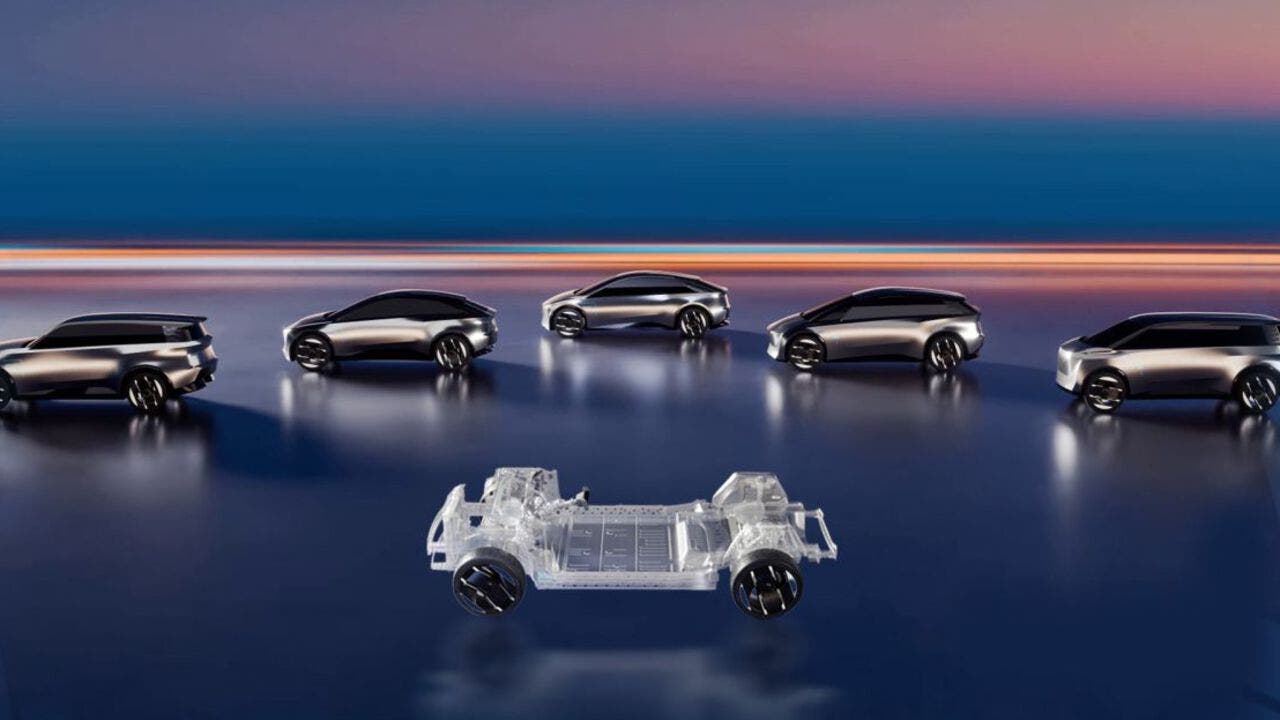
At the centre of the plan’s technical architecture sits the STLA One platform, which will support more than 30 models and aims to reduce costs, simplify development and improve competitiveness. Its flexibility in supporting different brands and mixed technical solutions will become one of the decisive factors in judging the success of the plan. Overall, the impression is that Stellantis does not simply want to correct course, but to change pace, with Filosa working to build a more flexible, more global group that stays closer to the industrial tradition of the former FCA world.