The Conner Center, where Dodge built the Viper for years before ending production in 2017, could soon return to the spotlight. This time, however, Stellantis may transform the former factory into a public venue rather than restart an assembly line.
The company currently stores historic vehicles, prototypes, and one-off models connected to its American brands at the Detroit facility. Stellantis is now considering opening the collection to enthusiasts through temporary exhibitions and special events.
Dodge’s old Viper plant may become a public home for Stellantis classics
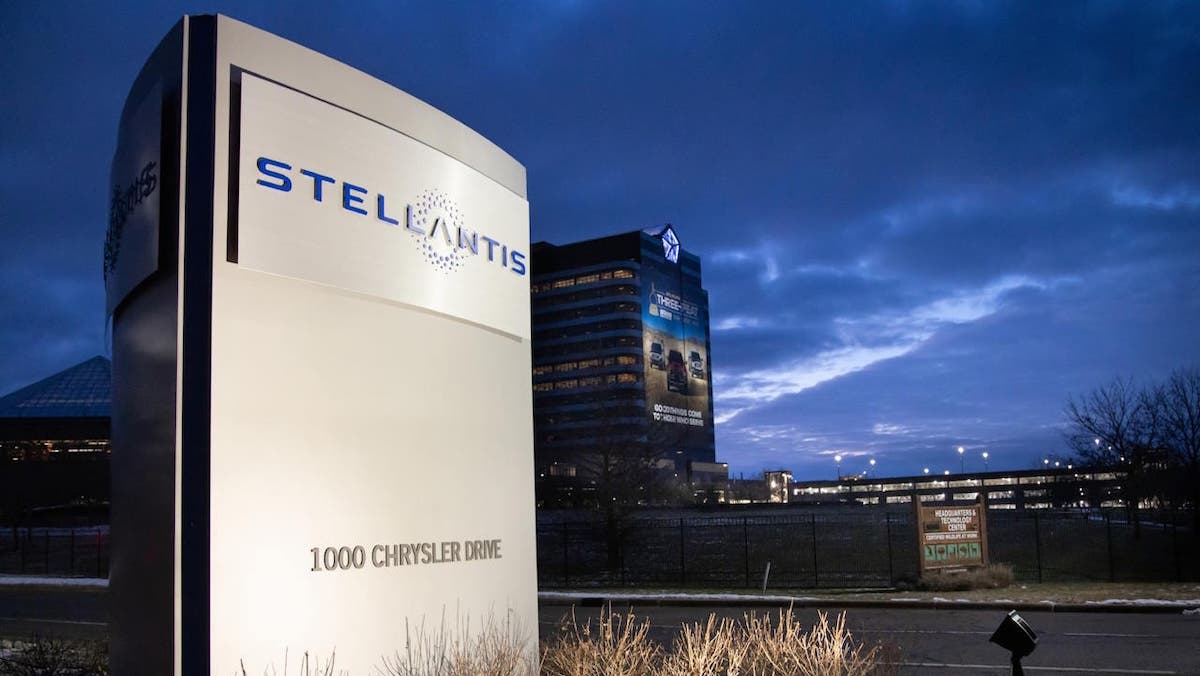
The proposal does not call for a conventional museum filled with permanent rows of cars. Stellantis design chief Ralph Gilles instead envisions rotating exhibits that change their themes and vehicles over time. The company could use its collection to explore subjects such as manufacturing, motorsports, movies, and experimental design.
Stellantis has more than enough material to support that approach. Tim Kuniskis, who leads the group’s American brands, said hundreds of vehicles remain scattered across warehouses and other facilities. Most rarely leave storage except for corporate anniversaries or private presentations.
Concepts built for the annual Easter Jeep Safari in Moab could form one of the most recognizable collections. Bringing them together would show how Jeep has experimented with extreme body styles, accessories, and technical solutions that seldom reached production.
Other exhibitions could connect very different periods of American automotive history. A 1948 Chrysler Town & Country and a 1951 New Yorker would represent the postwar era, while an IndyCar safety car could shift the focus toward motorsports. The Jeep Wrangler featured in “Lara Croft: Tomb Raider” would add a link to movies and popular culture.
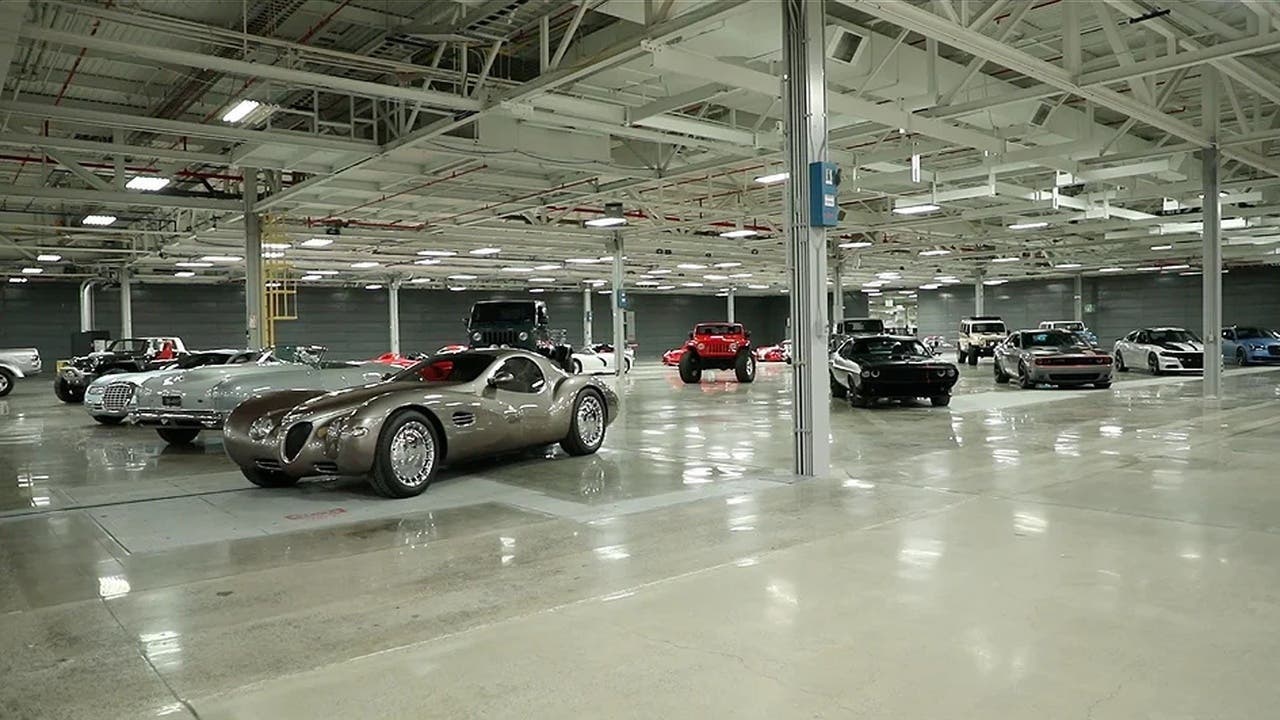
One of the collection’s most personal vehicles is the 840-hp Dodge Challenger SRT Demon once owned by former Fiat Chrysler CEO Sergio Marchionne. Displaying it inside the building where Dodge assembled the Viper would connect the history of the company’s products with the executives who shaped its recent direction.
Turning the former factory into a public attraction will require significant work. Stellantis designed the Conner Center to assemble cars, not to welcome visitors every day, so the company must upgrade fire safety systems and create suitable routes through the building.
Work could begin during the summer, followed by several trial events designed to test the organization and measure public interest. Stellantis has not yet approved a permanent opening, but it already uses the building for events and media gatherings, giving the project a practical foundation.