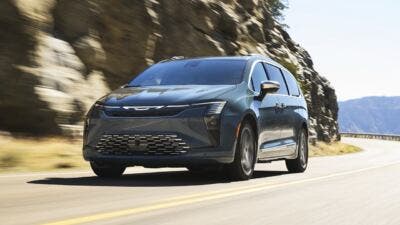
In 2021, only four designers worked on user experience. Today, that number has grown to more than 180. The figure, shared by Ralph Gilles, Chief Design Officer at Stellantis, shows the scale of the transformation inside the group created by the merger between PSA and FCA, especially in the way the company now designs and builds vehicle interiors.
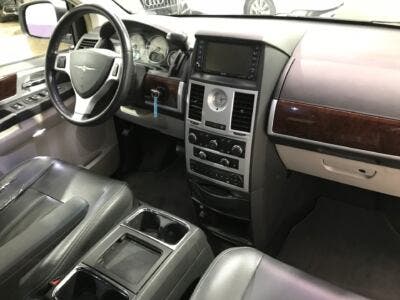
That transformation, however, appears to come from a long reflection on past mistakes. During a recent visit to the North American headquarters, Gilles used very harsh words to describe the period before Chrysler’s 2009 bankruptcy, comparing the cabins of those years to “water guns”, with hard plastics, cheap finishes and panels that could not compete with premium European brands.
Ralph Gilles looks back at Chrysler’s interior mistakes before the turnaround
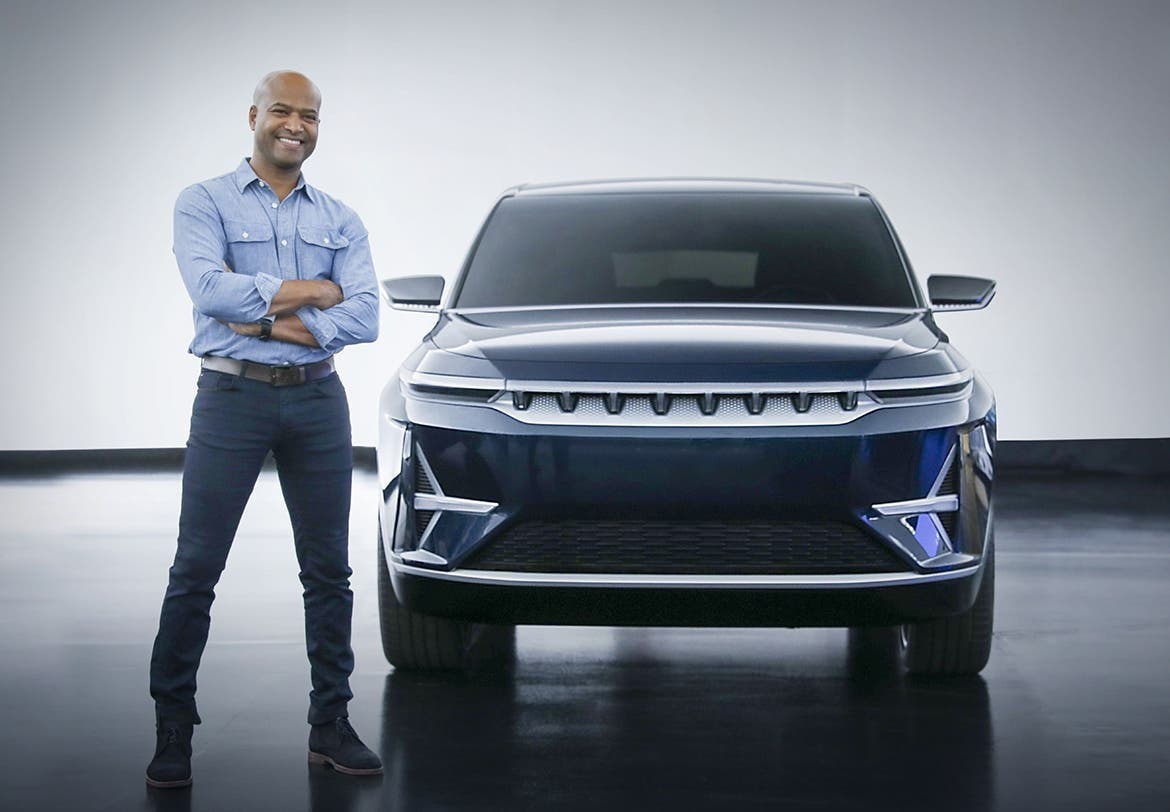
According to the designer, the turning point came when he looked closely at a B7-generation Audi A4. Faced with that solid, well-finished cabin, pleasant to the touch, an unavoidable question emerged: why did Chrysler interiors feel so much worse? That frustration led to an internal study focused specifically on cabin environments, with younger teams asked to turn a weakness into an opportunity for redemption.
The first model to signal the change was the 2009 Ram 1500. For the first time in years, an American pick-up managed to offer credible materials and finishes even in a segment historically linked to toughness and functionality. In the following years, brands such as Jeep and Chrysler itself gradually recovered ground, reaching models such as the Jeep Wagoneer, now considered one of the group’s strongest examples of a well-executed cabin, where space, perceived luxury and technology coexist.
The paradox, as Gilles himself observed, is that today’s risk may be the opposite of the one faced in the 2000s. After chasing the competition for almost two decades, Stellantis may sometimes overdo it, filling cabins with screens, materials and features in an attempt to erase the old reputation once and for all. The balance between perceived quality and ease of use, between premium effect and industrial sustainability, therefore remains one of the hardest challenges.
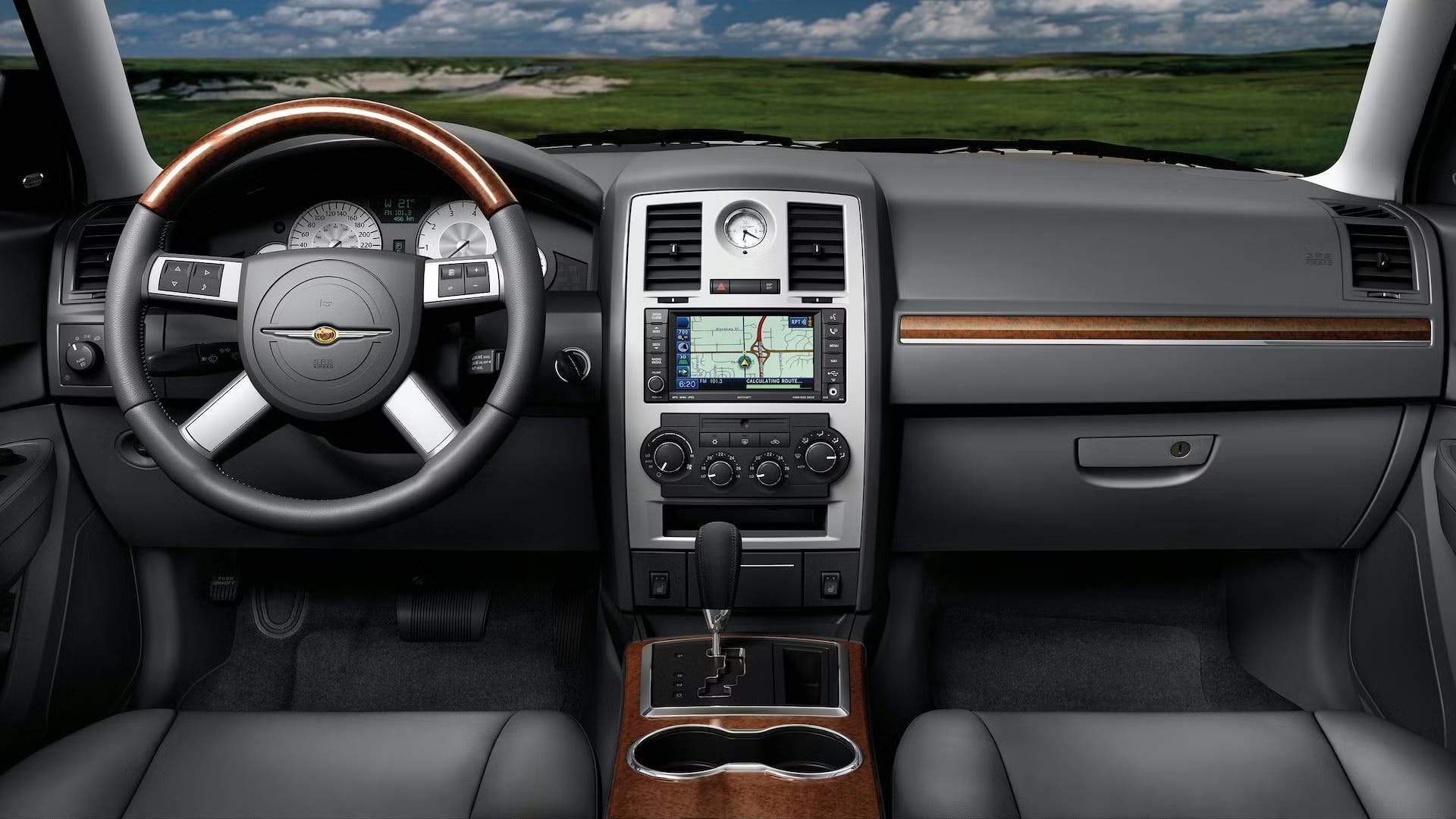
The digital evolution of the car makes the picture even more complex. Perceived quality now also depends on screen speed, menu logic, voice command response and the ability to update software over time. A slow or confusing infotainment system can ruin the onboard experience just as much as poor plastic. That is exactly why Stellantis has multiplied the number of designers working in this area by more than forty.
Gilles’ admission, however blunt, says something few automotive executives openly acknowledge: perceived quality starts with what customers see and touch every time they get into their vehicle.