On May 21, Stellantis will present its new industrial plan under Antonio Filosa’s leadership, at a time when the group must redefine its priorities after a difficult 2025 marked by production issues, falling demand and the need to review some strategic choices inherited from the previous management.
Stellantis plan could protect brands but shift resources to key names

One of the most anticipated topics concerns the future of the brand portfolio. According to rumors circulated in recent weeks, Stellantis does not intend to end production of any of its brands, keeping Fiat, Peugeot, Citroën, Jeep, Alfa Romeo, Lancia, Opel, DS, Dodge, Ram, Chrysler and Maserati within its industrial perimeter.
However, confirming continuity does not mean that all brands will receive the same level of resources and investment. The new phase should move toward a more selective structure, in which Peugeot, Fiat, Jeep and Ram could gain priority in terms of new models, technology updates and development budget allocation. For the other brands, support could depend more closely on actual profitability and strategic role within the group.
A key chapter of the plan should concern relations with Chinese automakers. The collaboration with Leapmotor is already operational and includes production activities in Spain, but Stellantis could consider broader use of Chinese technology for future models from its European brands. Platforms, batteries, software and electronics are among the areas where cooperation could expand.
Channels with Dongfeng also remain open, while BYD remains at least a possible scenario. This broader industrial framework reflects the growing interdependence between European and Chinese automakers.
The plan should also address quality, a topic that has become urgent after a series of technical problems, recalls and failures affected the group’s reputation among customers, dealers and investors. Restoring credibility on this front will represent one of the most delicate steps for the new leadership.
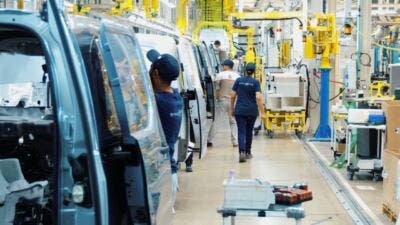
On the production side, several European plants currently operate below installed capacity, with demand unable to fully fill the lines. A reorganization of industrial capacity in countries such as Italy, France and Spain could therefore become part of the planned measures, possibly also through new forms of cooperation with external partners.
The May 21 presentation will show how far Filosa intends to push the group’s restructuring and which balance will prevail between protecting jobs, rationalizing plants and returning to adequate margins in the main global markets.