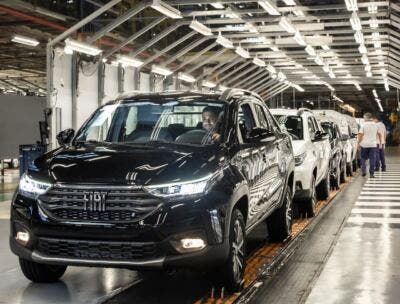
When a group the size of Stellantis starts losing ground and posting weak results across multiple markets, it inevitably has to reassess every single brand in its portfolio. With fourteen brands inherited from the merger between PSA and FCA, the automotive giant now faces tough decisions, especially after a difficult 2025 marked by disappointing numbers. The responsibility now lies with the group’s new CEO, Antonio Filosa, who must decide which brands still deserve investment and which ones risk downsizing.
The overall picture remains far from reassuring. In the first half of 2025, Stellantis reported a net loss of around €2.3 billion, along with a 23% drop in sales in the United States and a 7% decline in Europe. Analysts have long pointed out that the group carries too many underperforming brands, often naming Maserati and Chrysler as prime examples. Former CEO Carlos Tavares had already warned in 2024 that struggling brands would have only a few years to prove their sustainability. That time has now effectively run out.
Stellantis reviews its brand lineup after weak results in 2025
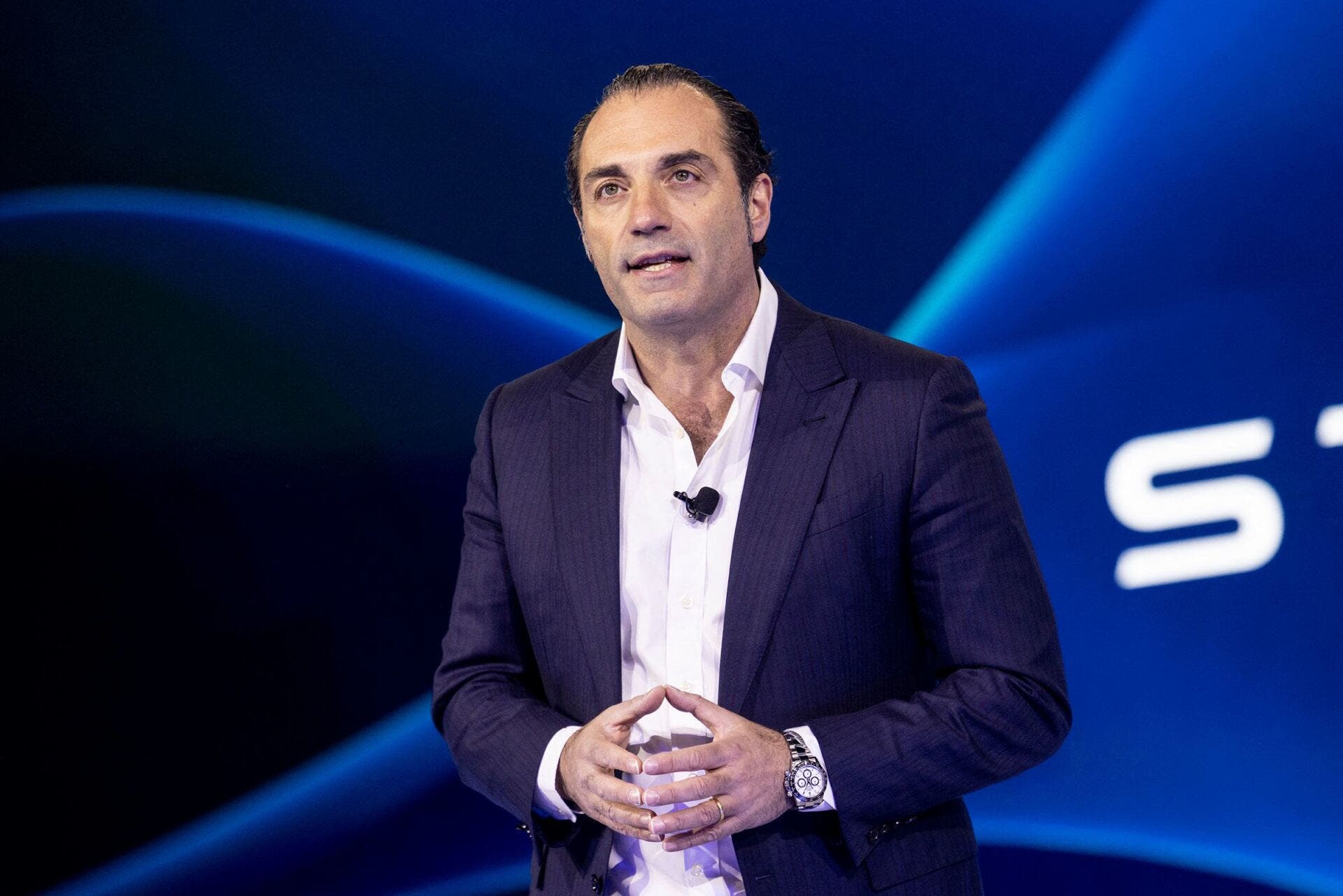
Speaking at the Detroit Auto Show, Filosa openly admitted that his first months in charge helped him understand the scale of the changes required. He described Stellantis as a group rich in historic European and American brands, but he also stressed that every decision will come from a careful evaluation of each brand and each market. When asked about the future of weaker brands such as Alfa Romeo and Fiat in the United States, he avoided firm answers but underlined their global relevance. According to Filosa, Fiat remains strong in Europe, South America, and the Middle East, while Alfa Romeo keeps a deep connection with its Italian identity. Future choices, he explained, will depend on regional demand rather than a U.S.-centric strategy.
This approach suggests that a brand may continue to exist globally while scaling back, or even exiting, certain markets. Fiat offers a clear example. In the United States, the brand currently sells only the 500e, and volumes remain extremely low. In the fourth quarter of 2025, Fiat sold just 84 vehicles, marking an 89% decline year over year. Total annual registrations barely exceeded 1,300 units. Analysts believe that without a broader lineup and with increasingly punitive tariffs, Fiat risks remaining in the U.S. mainly for symbolic reasons.
Alfa Romeo also faces a challenging phase. In North America, the brand now offers only three models, and sales continue to fall sharply. In the fourth quarter of 2025, deliveries dropped by 57%, while full-year sales declined by 36%. Despite this, forecasts point to the arrival of a new large SUV around 2028, based on the STLA Large platform. This suggests that the brand still has a future, but only if it can prove competitive in a crowded premium segment.
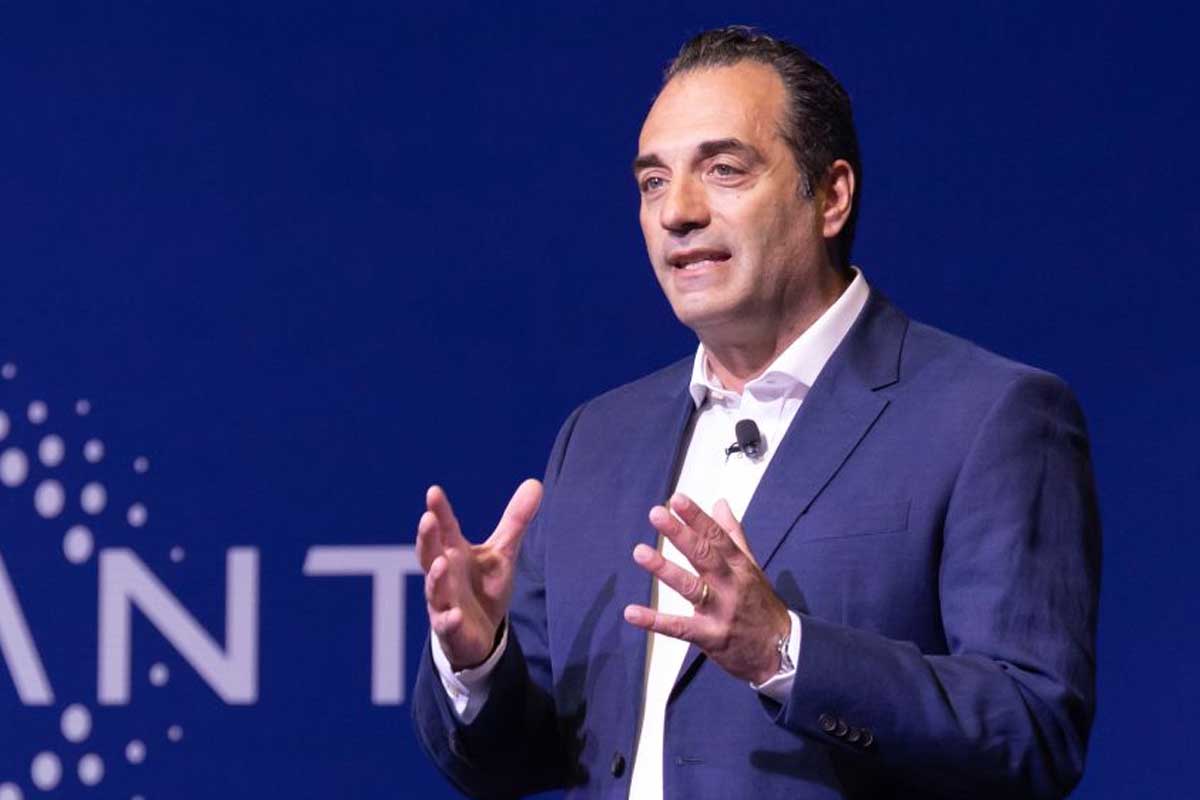
Chrysler represents another special case. For years, the brand has relied almost entirely on the Pacifica and Voyager, yet it managed to post a 29% sales increase in the last quarter of 2025. Industry sources suggest that Stellantis may introduce a new crossover in the coming years, possibly with electrified powertrains, and even a model inspired by the Halcyon concept. U.S. dealers still believe Chrysler has room to recover, provided new products arrive soon.
The most critical situation remains that of Maserati. The Trident brand closed 2024 with heavy operating losses and a sharp drop in global sales. Performance in the U.S. has also disappointed, and write-downs linked to the brand have weighed heavily on Stellantis’ financial results. Despite rumors of a potential sale, many industry observers argue that Maserati still carries too much brand value to be abandoned, especially in a market like the United States.
Ultimately, Stellantis’ future will depend on these strategic choices. Antonio Filosa must decide which brands can remain part of the group and which ones risk falling by the wayside. While some executives have recently stated that every brand will continue to play a role, the real challenge will lie in defining a clear identity for each one. It is a delicate balancing act, where hard numbers matter just as much as the symbolic value of the brands involved.