Stellantis has pushed its carbon neutrality target back to 2050, twelve years later than the 2038 goal set under the Dare Forward 2030 plan during the Tavares era. That move marks one of the clearest strategic shifts since Antonio Filosa took charge of the group. The decision reflects a more cautious reading of the road to decarbonization. Stellantis still keeps environmental sustainability in its strategy, but it is now tying that goal to a timeline it sees as more compatible with the economic health of the business.
Stellantis pushes its Net Zero target back to 2050 in a major strategic shift

Above all, the delay reflects a colder assessment of how quickly the market is absorbing the electric transition, especially in Europe, where battery-electric adoption continues to move more slowly than many automakers had projected just a few years ago. Stellantis now seems to be aligning itself with a position already taken by other major groups. In doing so, it is moving away from the role of early decarbonization leader that defined the previous phase, a role that management now appears to view as too exposed to the risk of squeezing margins without generating a proportional commercial return.
Under the new plan, Stellantis is now targeting a cut in total emissions of between 20 and 30 percent by 2030 compared with 2021 levels. That wide range alone says a great deal about the uncertainty the group sees in both demand trends and the regulatory environment over the coming years. The most delicate point is that Stellantis is implicitly acknowledging that these new targets move away from the more ambitious path needed to keep global warming within 1.5 degrees Celsius. Instead, the group is now positioning itself along a trajectory more consistent with the 2-degree scenario.
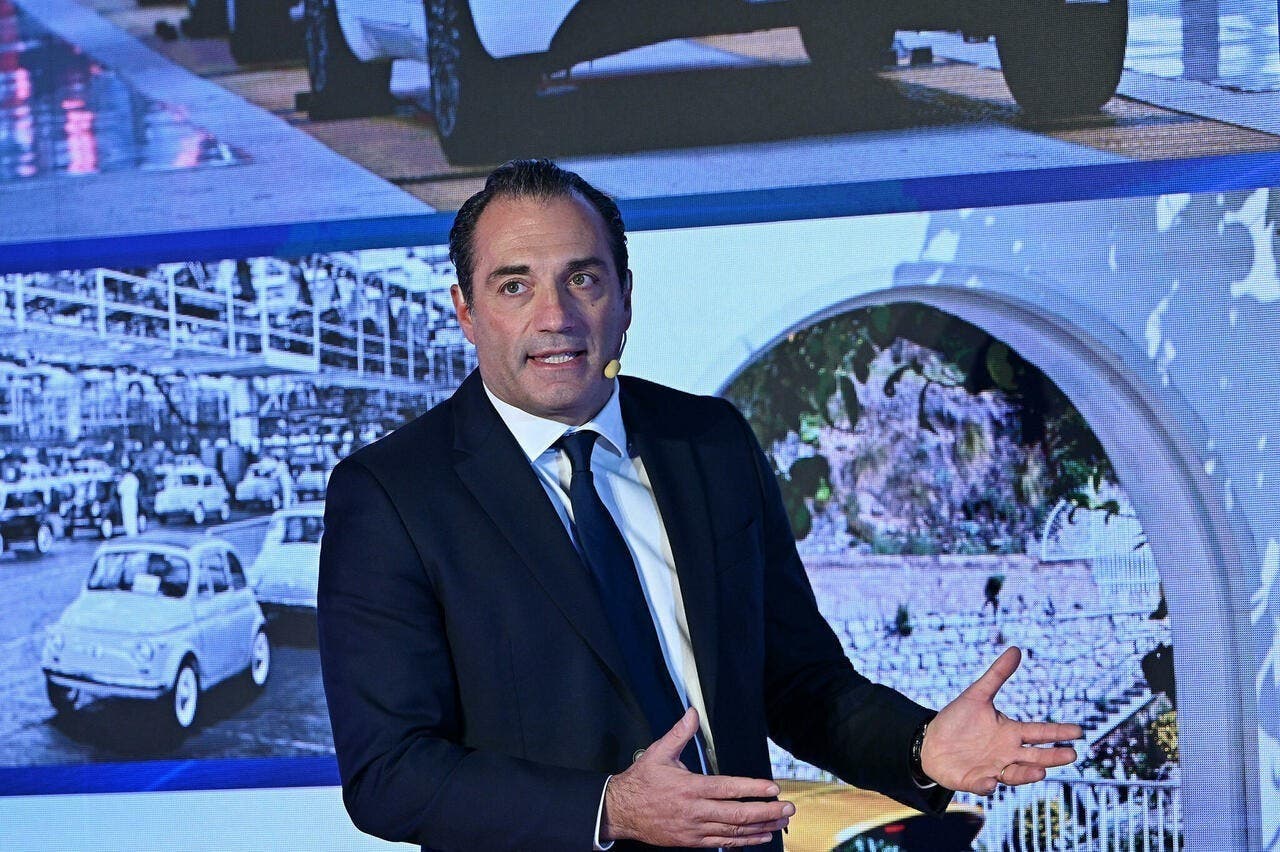
At the same time, Stellantis is asking European institutions for greater flexibility on both the criteria and the timing used to calculate emissions targets. That stance fits into a broader argument from the company, namely that the environmental transition must move forward without undermining the economic sustainability of the businesses going through it. This line of thinking will likely shape the new strategic plan expected on May 21, when Filosa should explain in greater detail which direction Stellantis intends to follow over the next several years on electrification, volume, and industrial management.