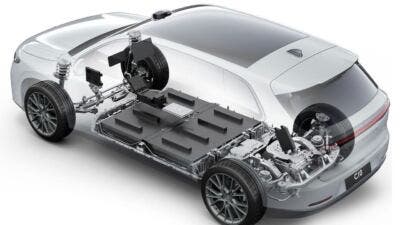
Stellantis has confirmed that it will build the Leapmotor B10 and C10 SUVs in Brazil, making them the first models from the Chinese brand to roll out of a local plant. The company will produce both vehicles in Goiana, where it has already started expanding the area for the new production line. Stellantis made the announcement during the signing of the partnership agreement between Leapmotor and Palmeiras. The move marks an important step in Stellantis’ plan to root the Chinese brand more deeply in South America and turn it from a mainly commercial operation into a more stable industrial presence.
Stellantis confirms Brazil will build the first Leapmotor B10 and C10 SUVs

Herlander Zola, president of Stellantis South America, said local production sits at the center of Leapmotor’s regional expansion plan. By building these SUVs in Brazil, Stellantis can reduce its dependence on imports and take advantage of the production and tax conditions tied to local manufacturing. Goiana will handle production of the two SUVs, while Stellantis Tech Center South America will support the project with engineering work and technical development. That team will also adapt the vehicles to the specific needs of the local market.
The most important part of the announcement may actually involve technology. Zola said Stellantis is already developing what he described as the world’s first REEV Flex technology. The project aims to combine the idea of an electric range extender with flex-fuel engines that can run on gasoline or ethanol. If Stellantis brings the system to production, it will create a solution designed specifically for Brazil, where biofuels play a major role and fuel flexibility remains essential for any automaker that wants to compete at meaningful scale.

The Brazilian operation also changes Leapmotor’s role inside Stellantis. The group no longer treats the Chinese brand only as a partner that can expand its electrified offering in Europe. Instead, Stellantis now seems ready to use Leapmotor as an industrial and technological tool for targeting key segments in markets where mobility needs and energy infrastructure differ sharply from those in Europe.
In that sense, Brazil could become one of the most important testing grounds in the Stellantis-Leapmotor relationship. The local market is large, and the region also gives Stellantis room to develop dedicated hybrid technologies that it could later extend to other South American countries.