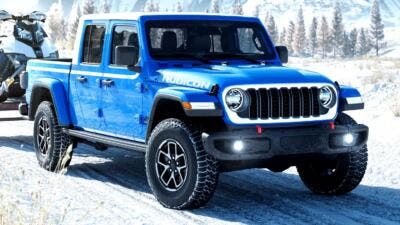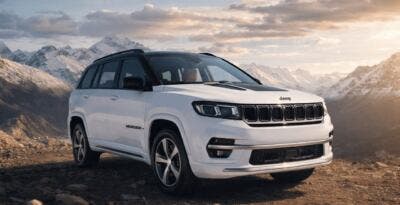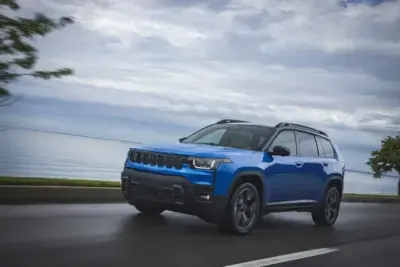
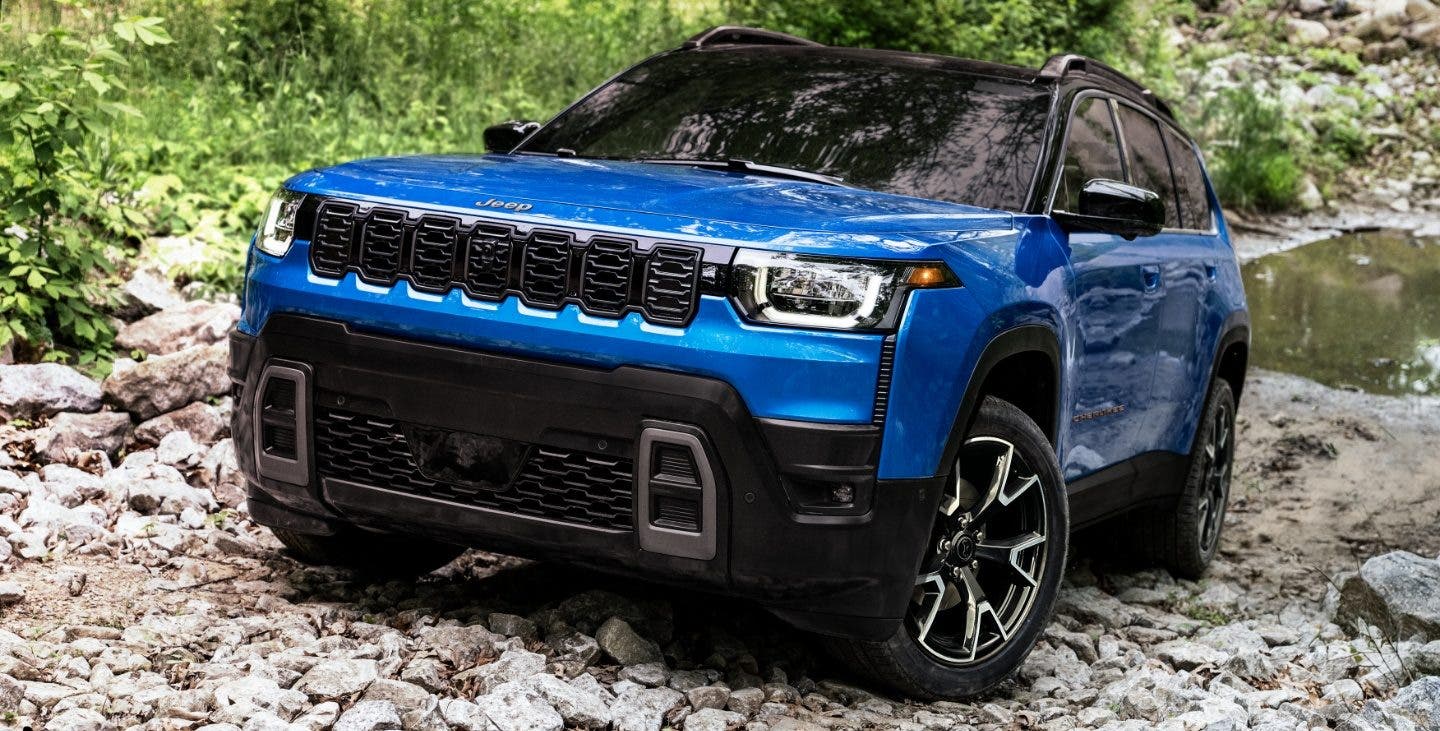
The return of the Jeep Cherokee is a strategic move through which Stellantis aims to put the Jeep brand back on track in the United States. After three years of absence, Cherokee re-enters one of the most important segments by volume, compact and midsize SUVs, just as the group tries to reverse a prolonged downturn in the American market.
Jeep Cherokee returns as key model in Stellantis US comeback plan
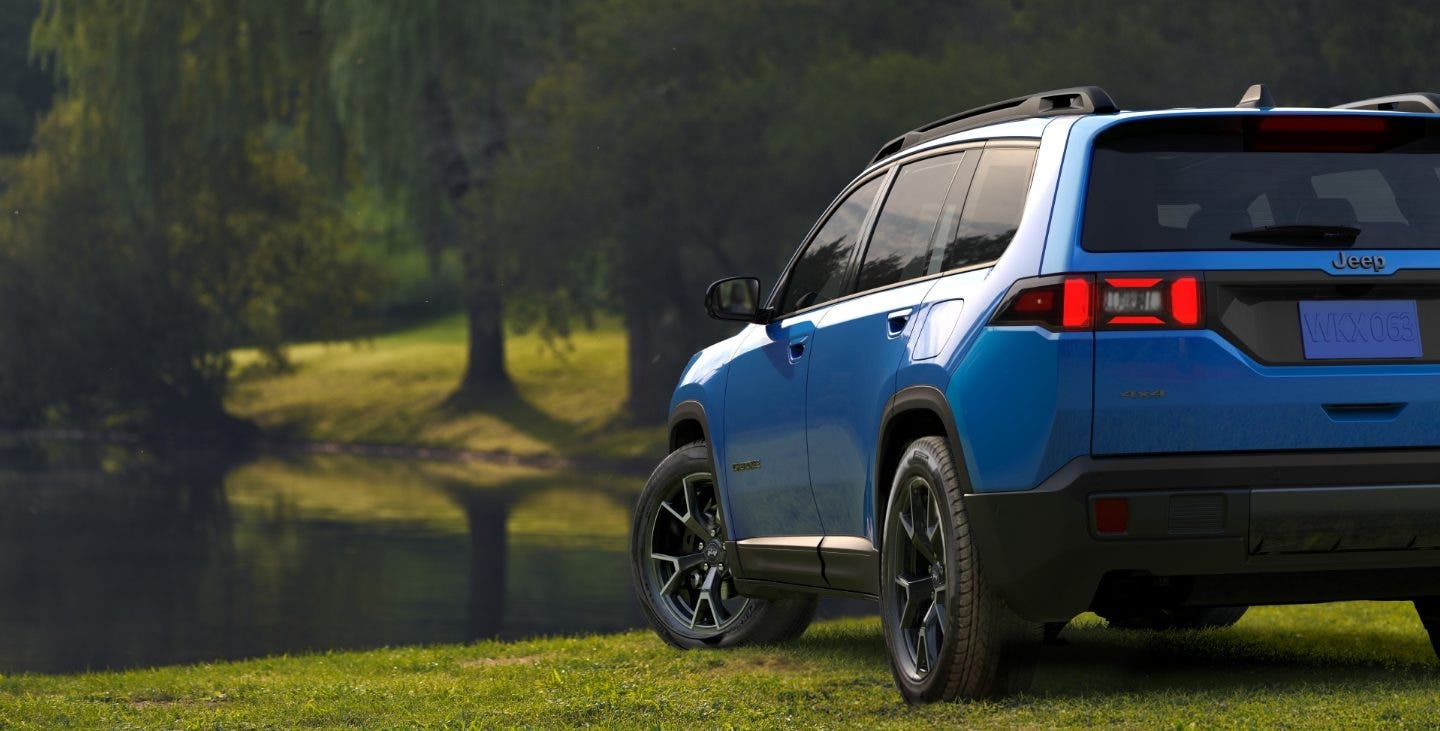
The numbers explain the urgency. In 2018, Jeep surpassed 973,000 units sold in the US. By 2025, sales fell to 593,401, a 39 percent drop in seven years. The most recent year ended with a slight 1 percent increase for the brand, but that was not enough to offset the group’s overall decline, which posted a 3 percent decrease in the United States, marking the seventh consecutive year of contraction. In this context, the new Cherokee becomes central to the recovery plan.
The model also signals a shift in technical approach. It is the first traditional full hybrid in Jeep’s history and, at the same time, the most fuel-efficient gasoline-powered vehicle the brand has ever offered in the US. This choice responds to growing demand for hybrids, which currently shows stronger momentum than full electric vehicles after the EV-focused strategy delivered weaker-than-expected results.
Richard Cox, head of Jeep operations, clarified the role of the new SUV in the growth path. “It represents a fundamental part of our growth,” he said. “It positions us well for ’26.” The goal is ambitious, to increase retail sales by about 25 percent by 2026, reaching 1.15 million vehicles through new products and a realignment of pricing and lineup.
Jeep CEO Bob Broderdorf also placed Cherokee at the center of priorities. “Once Cherokee is ready and running at a good pace, we can start with Recon,” he explained. “With Recon, I am not in a hurry. I want to achieve the right quality with Cherokee, and then, as soon as we are confident, we will switch on Recon.” Quality and commercial strength therefore stand as essential conditions before accelerating other projects.
From a technical standpoint, the new Cherokee uses a 1.6-liter turbocharged four-cylinder full hybrid producing 210 hp and 230 lb-ft of torque, with standard all-wheel drive. The cabin focuses on large digital displays and up to 140 safety features across standard and optional equipment. Pricing in the United States starts at about $37,000 and reaches $46,000, with the Laredo version priced at $39,995 expected to account for more than a third of sales, competing directly with Toyota RAV4 and Honda CR-V.
Production is based in Toluca, Mexico, with an estimated capacity of over 300,000 units per year. However, meeting the stated targets may require expanding production in the United States starting next year. For Jeep, Cherokee is not just a comeback, but the starting point to rebuild volume, credibility and momentum in its key market.