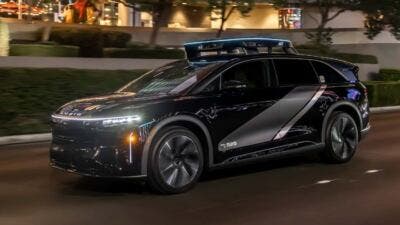
Lucid Motors has found potential lifelines in Uber and Nuro, partners that could help pull the company back from the edge of financial collapse. The deal acts as a genuine lifeline for the California-based automaker, which continues to post worrying quarterly losses. Uber’s $300 million investment in Lucid’s equity highlights just how critical this project is for both sides.
The vehicle at the center of the agreement, the robotaxi version of the Gravity unveiled at CES 2026 in Las Vegas, has already been operating on the streets of San Francisco since last December, although it currently runs with safety drivers on board. Assembly takes place in Arizona, and the goal is to position the service as the most luxurious autonomous taxi offering on the market. The interior preserves Lucid’s premium DNA, with seating for six passengers and a suite of interactive displays that control climate settings, seat heating, and music playback.
Robotaxi showdown begins as Uber looks to challenge Tesla
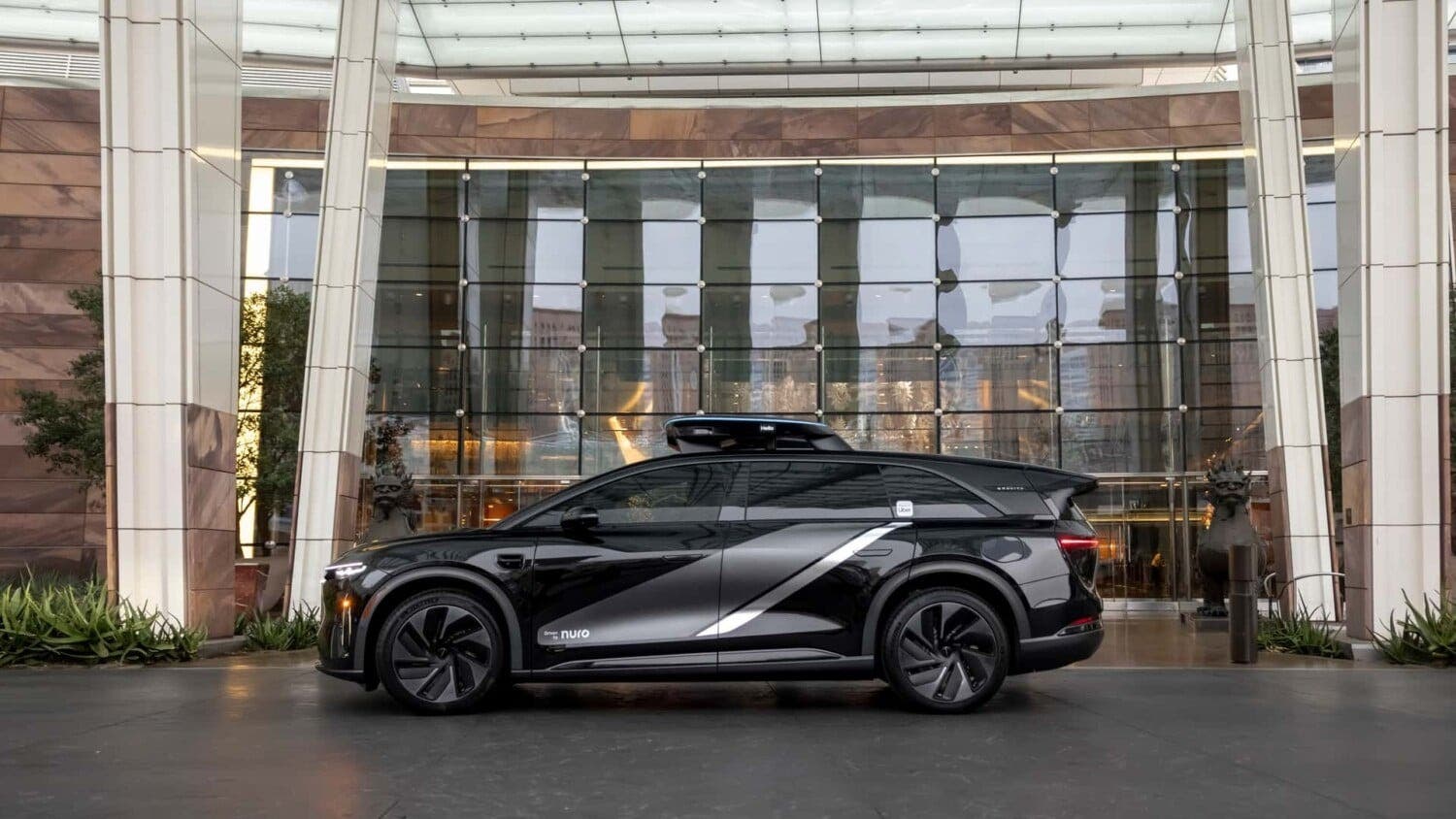
From a technical standpoint, Nuro’s autonomous system targets Level 4 capability through a comprehensive sensor suite that includes high-resolution cameras, radar, and LiDAR to ensure full environmental awareness. A roof-mounted structure featuring LEDs and displays helps users identify the vehicle easily. While practical, this solution partially compromises the sleek aesthetic that has long defined Lucid’s design language.
The commercial launch in the San Francisco Bay Area is expected within the year, once a fleet of more than 100 vehicles completes its engineering validation phase. Dave Ferguson, co-founder of Nuro, emphasized that the service was “designed for real-world operations and sustainable long-term growth.” Even so, the timeline appears optimistic given the regulatory hurdles and technical complexities involved in deploying autonomous vehicles in densely populated urban environments.
Granting exclusivity to Uber represents a double-edged sword. On one hand, it delivers immediate exposure to millions of users. On the other, it tightly binds Lucid’s future to the fortunes of the U.S. ride-hailing giant. The robotaxi sector, while promising, remains crowded with bold announcements that rarely translate into concrete results, often accompanied by repeated delays. As the experience of Waymo, owned by Google and highly active in the robotaxi space, has shown, a single accident or technical issue can severely damage a company’s reputation. For Tesla, this marks yet another competitor entering the field, joining Mercedes-Benz, which has also become active in the autonomous mobility sector.