

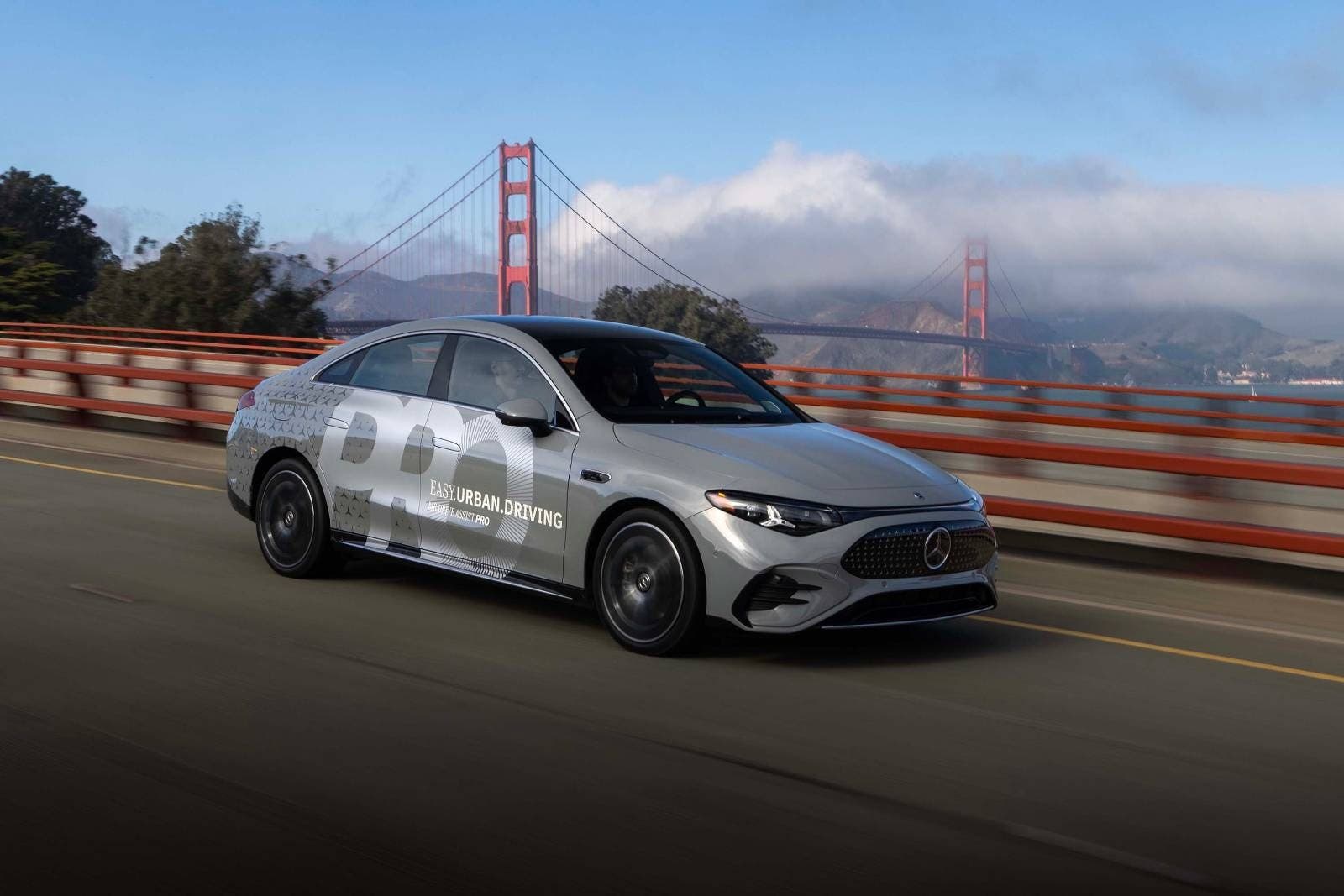
For years, Tesla dominated the autonomous driving space with virtually no real rivals. Its Full Self-Driving system allowed cars to navigate city traffic on their own, handling intersections, traffic lights, and congested streets, while competitors largely confined their systems to highways. That monopoly is now coming to an end. Mercedes-Benz is stepping beyond the safety of extra-urban roads and into the chaos of city driving with MB.Drive Assist Pro, which will launch in the United States later this year.
Mercedes brings city autonomous driving to the U.S., ending Tesla’s lead
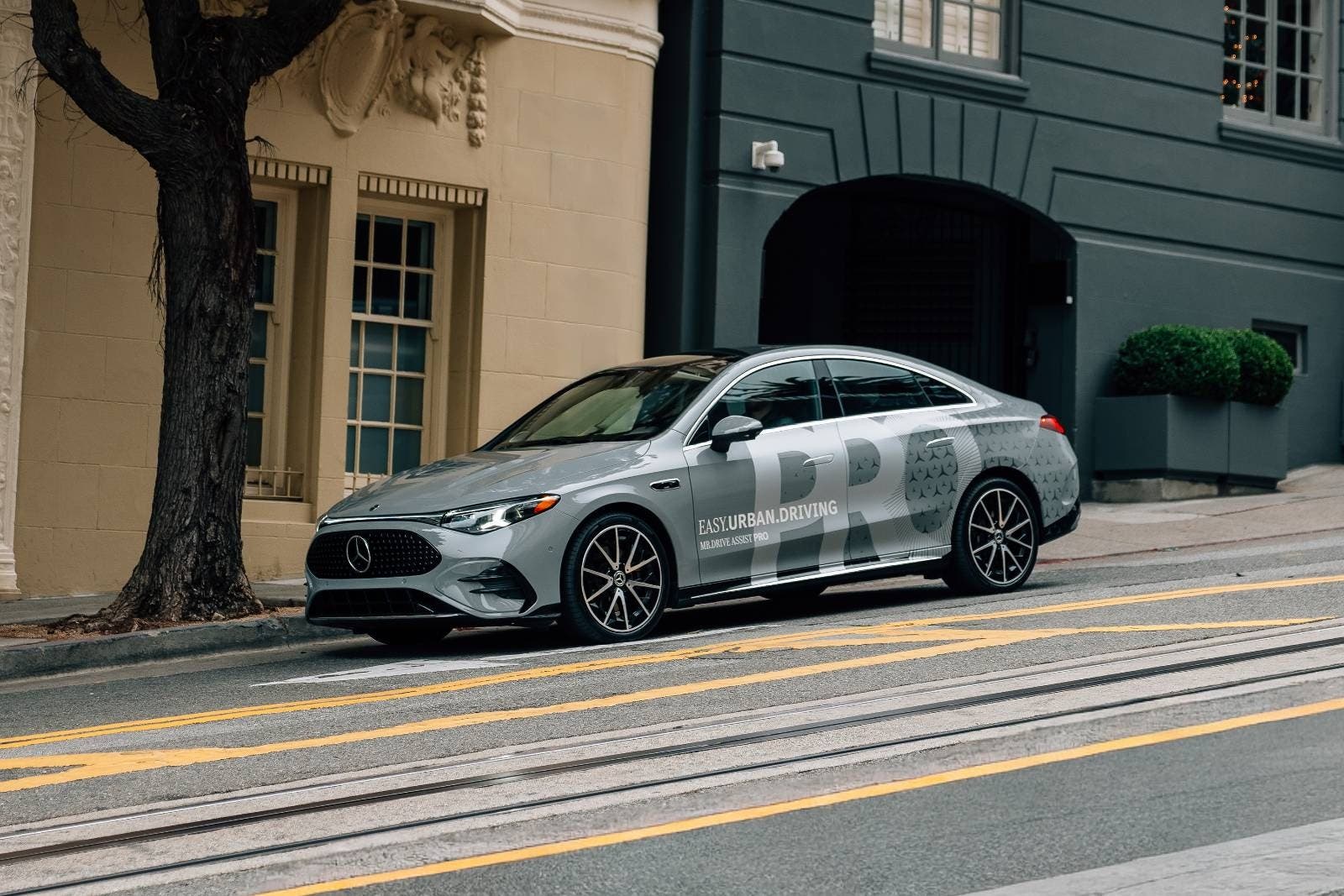
The technology has already undergone testing in the demanding conditions of Chinese traffic and is now crossing the Atlantic. The system can autonomously exit a parking space, merge into traffic, manage turn signals and traffic lights, and reach its destination with minimal driver input. However, Mercedes maintains a strict approach to safety. The driver must remain attentive at all times and stay ready to take over whenever necessary.
From a pricing standpoint, Mercedes has announced that the system will cost $3,950 for three years, or roughly $110 per month. This figure sits close to Tesla’s $99 monthly subscription and is far more accessible than an $8,000 one-time purchase. As a result, the car increasingly becomes a premium service platform capable of generating recurring revenue, underscoring the industry’s broader shift toward digital and connected business models.
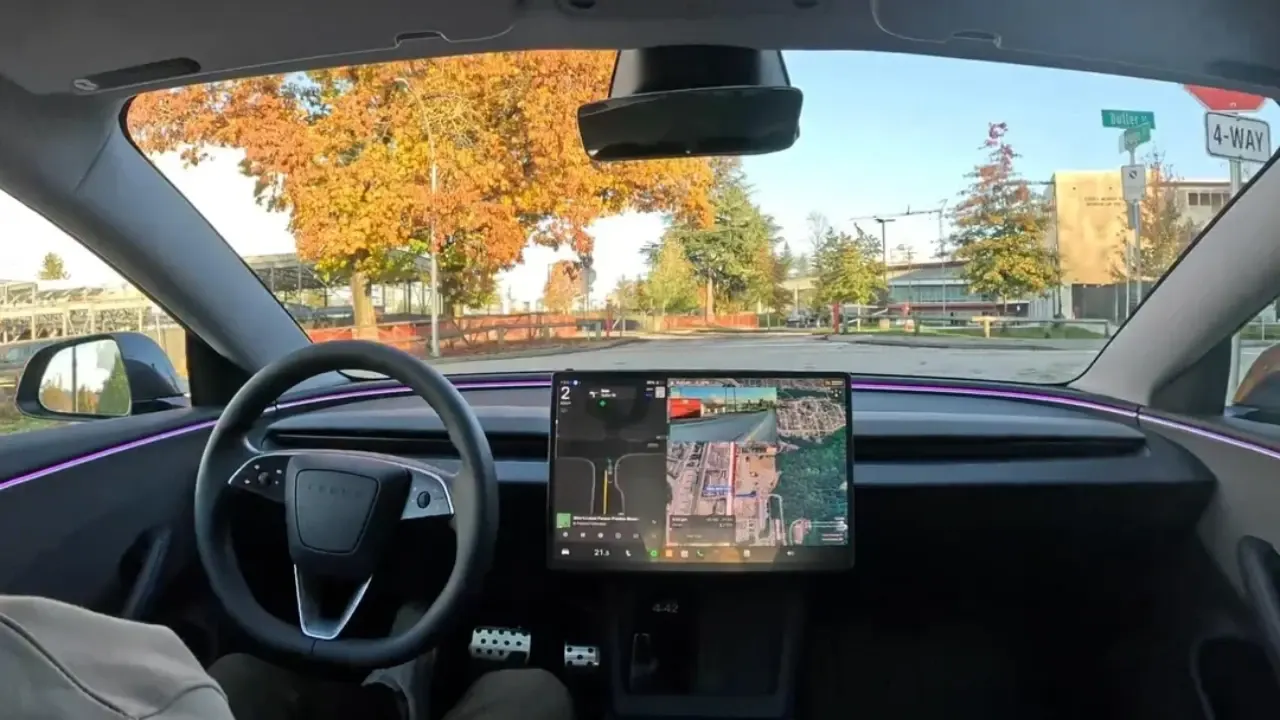
Urban environments represent the toughest challenge for autonomous driving. Mercedes equips its vehicles with 30 sensors, including high-definition cameras, radar, and ultrasonic sensors. On the computing side, NVIDIA plays a key role. The new Mercedes CLA will debut the MB.OS platform, powered by a processor capable of performing 508 trillion operations per second, essentially a miniature data center embedded in the dashboard. This computing power runs NVIDIA’s DRIVE AV software and the artificial intelligence that decides, in fractions of a second, whether to brake, accelerate, or steer.
Over-the-air updates continuously evolve the system. The algorithm learns, adapts, and improves through data processing. This approach mirrors the model that helped Tesla scale its technology, and Mercedes clearly shows that it has learned the lesson. However, the fully autonomous robotaxi remains a distant goal. Despite promises from Elon Musk, even Tesla proceeds cautiously, relying on limited testing and constant human supervision. Mercedes follows the same path, fully aware that regulation and safety remain insurmountable barriers in the short term.