

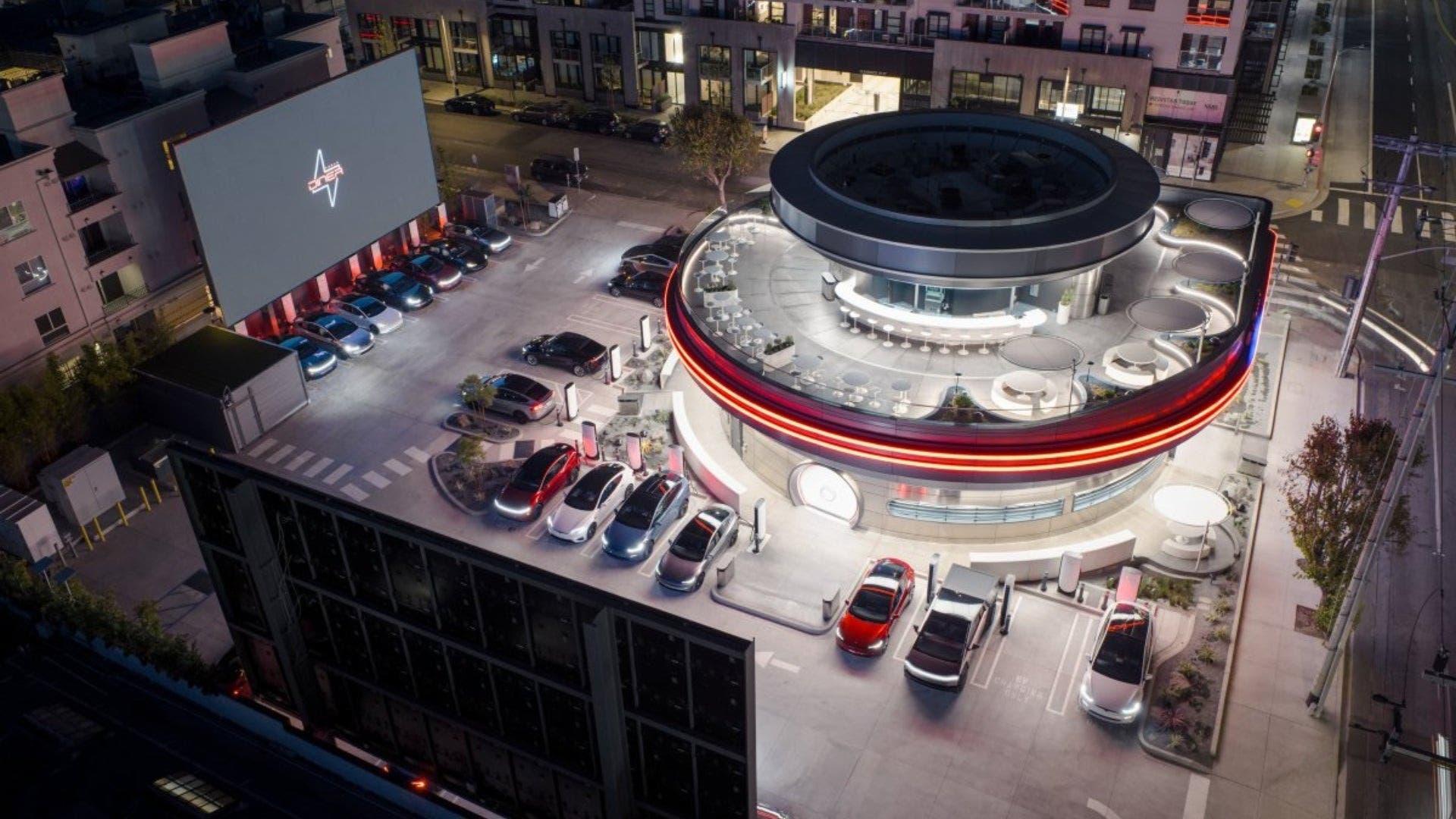
What initially looked like a bold bet by Tesla to reinvent the electric charging experience has turned, in just six months, into a clear example of cooling enthusiasm around the brand. The Tesla Diner in Los Angeles, which opened in July 2025 amid intense media buzz and long lines of curious visitors, is now facing a difficult phase marked by falling foot traffic, negative reviews, and the loss of its novelty factor.
During its first weeks, the venue acted as a true magnet for enthusiasts, fans of Elon Musk, and electric vehicle owners. The concept relied on a retro-futuristic aesthetic that blended classic Americana with technology and EV culture, promising to turn car charging into a social and engaging experience.
Tesla Diner loses momentum as hype fades just months after opening
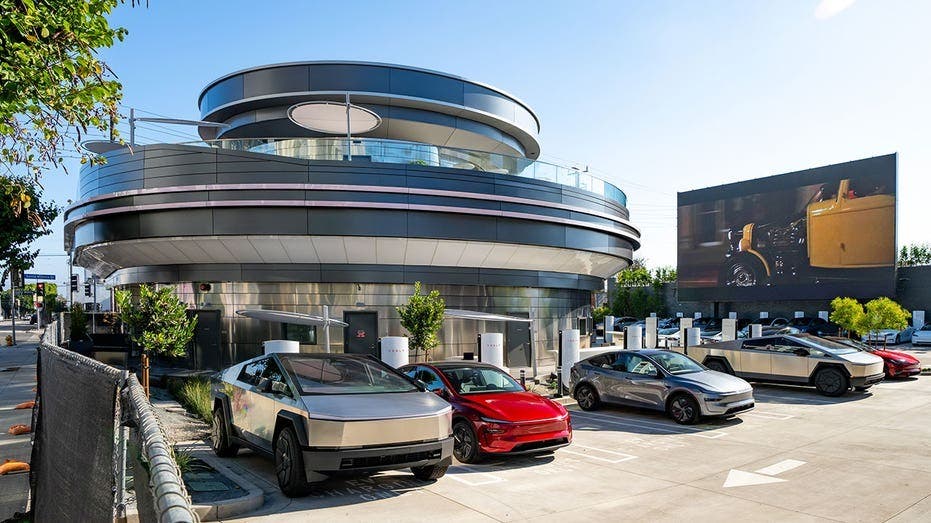
By early 2026, however, the picture looks very different. Recent visitors describe a half-empty parking lot, more staff than customers, and an atmosphere far removed from the initial excitement. Several original menu items have quietly disappeared, and the project has lost media relevance following the departure of chef Eric Greenspan in late November 2025.
Although the restaurant still holds an average rating of 3.9 stars on Google based on roughly 1,000 reviews, the shift in tone is clear. Early ratings reflected novelty and curiosity, while more recent feedback highlights recurring issues such as slow service, high prices, limited options for non-Tesla drivers, and an experience many describe as lacking real innovation.
Several users also complain that the promised technological elements feel underwhelming and that the futuristic concept stops at surface-level aesthetics. “A big disappointment” appears repeatedly in reviews criticizing both value for money and the lack of personality once the initial impact fades.
According to industry analysts, the core issue lies in what happens after the viral effect disappears. At that point, the venue must compete as a restaurant, a role for which it does not seem fully prepared. It lacks the accessibility to challenge popular dining spots and fails to offer enough innovation to justify a premium positioning.
This downturn also coincides with a challenging period for Tesla itself. The company has lost global leadership in electric vehicle sales to BYD and has recorded its lowest U.S. registration levels in four years. At the same time, legal and regulatory controversies continue, compounded by the increasingly polarizing public image of Elon Musk.
Musk had previously suggested that this type of restaurant could expand to other major cities. Today, silence surrounding the future of the Los Angeles Tesla Diner suggests those plans may be on hold. Ultimately, the project shows that even for one of the most influential brands in the tech world, early hype alone cannot sustain a concept over the long term without solid execution.