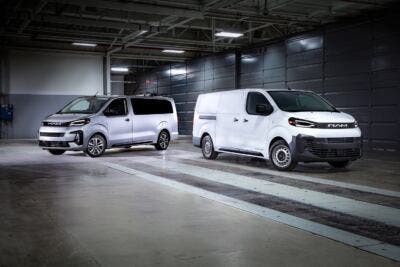
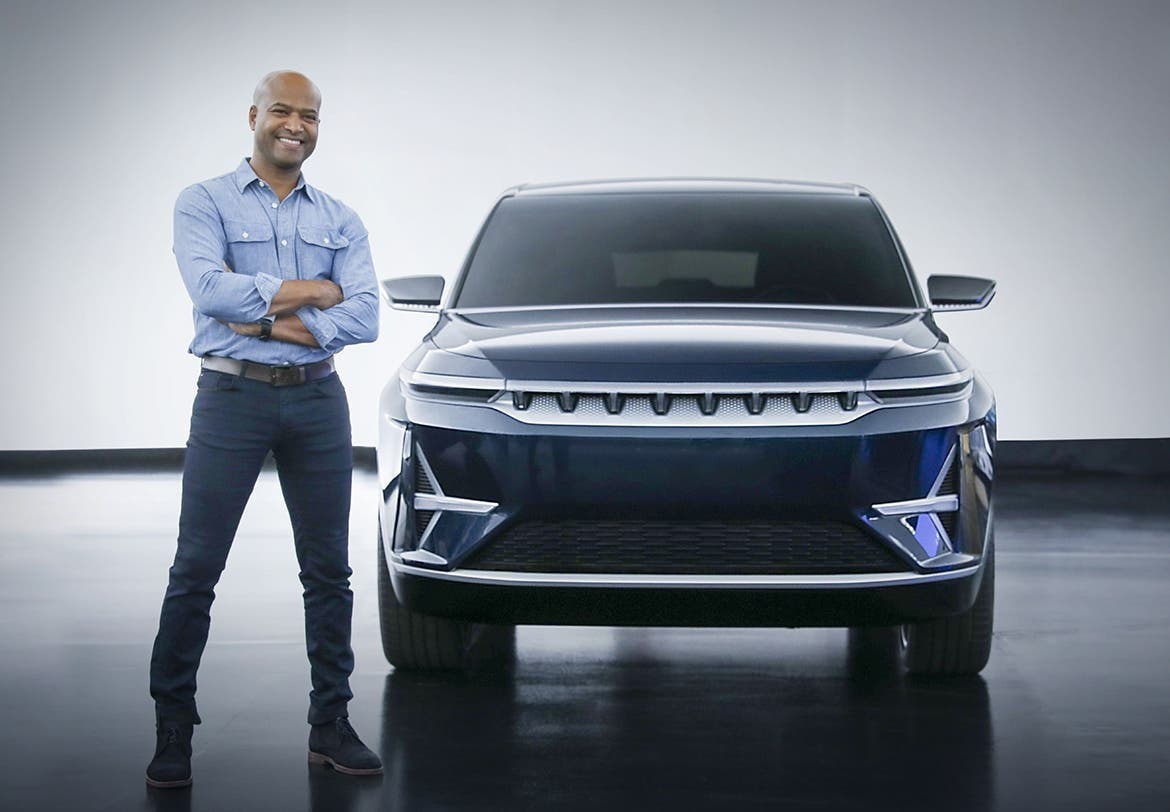
Among the 14 brands in the Stellantis portfolio, Ralph Gilles sees the European ones as the most in need of work on identity. The group’s design chief believes Fiat, Peugeot, and Citroën still overlap too much and need a more independent and recognizable visual language for each brand.
He takes a different approach with Alfa Romeo, and in some ways a more complex one, because younger generations now interpret the idea of sportiness in a way that stands far from the traditional meaning on which Alfa Romeo built its image. Maserati, by contrast, seems headed for a radical transformation, with the Trident’s upcoming models serving as ground for stylistic experimentation aimed at a more technological aesthetic, even if that means moving away for a time from more conventional commercial expectations.
Ralph Gilles says Stellantis must rethink the identity of its European brands
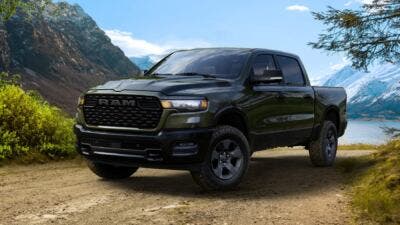
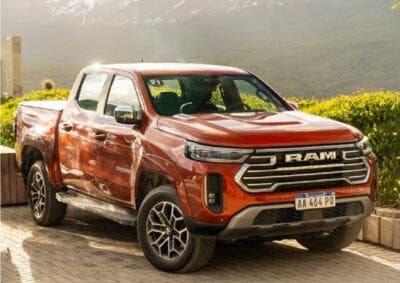
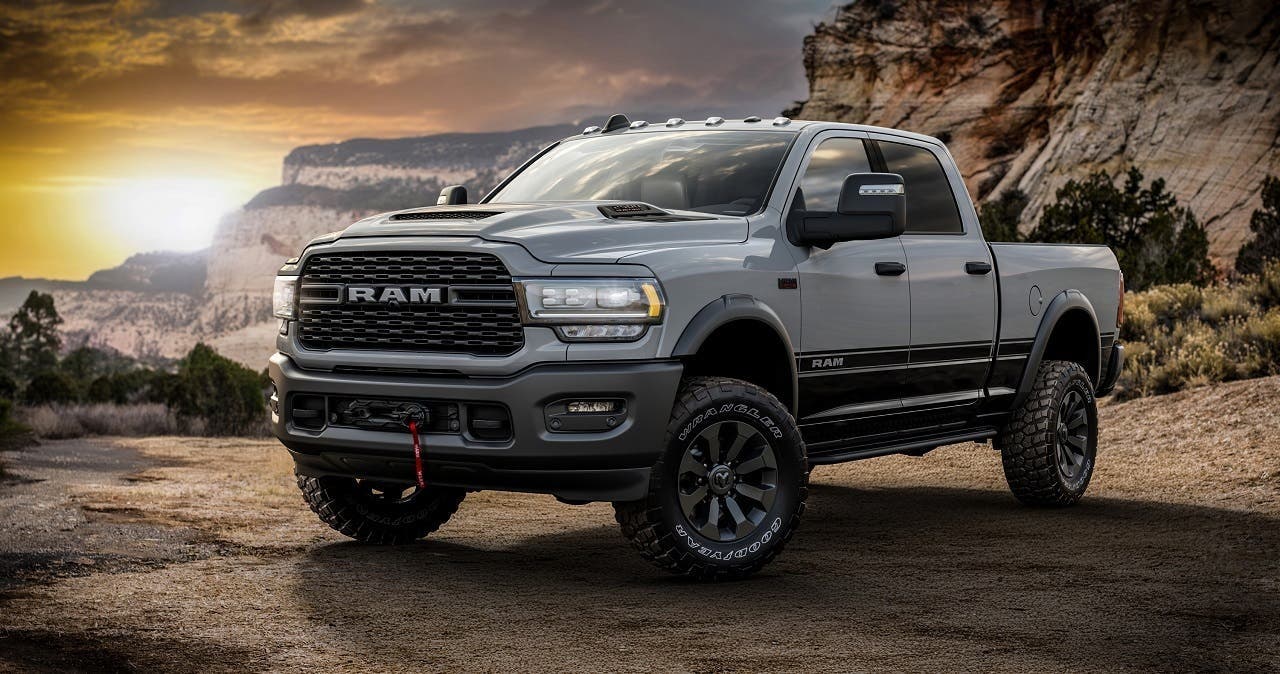
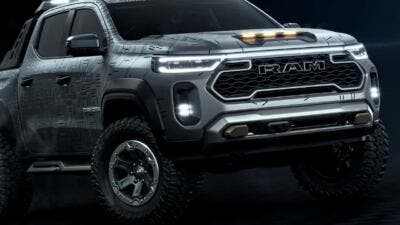
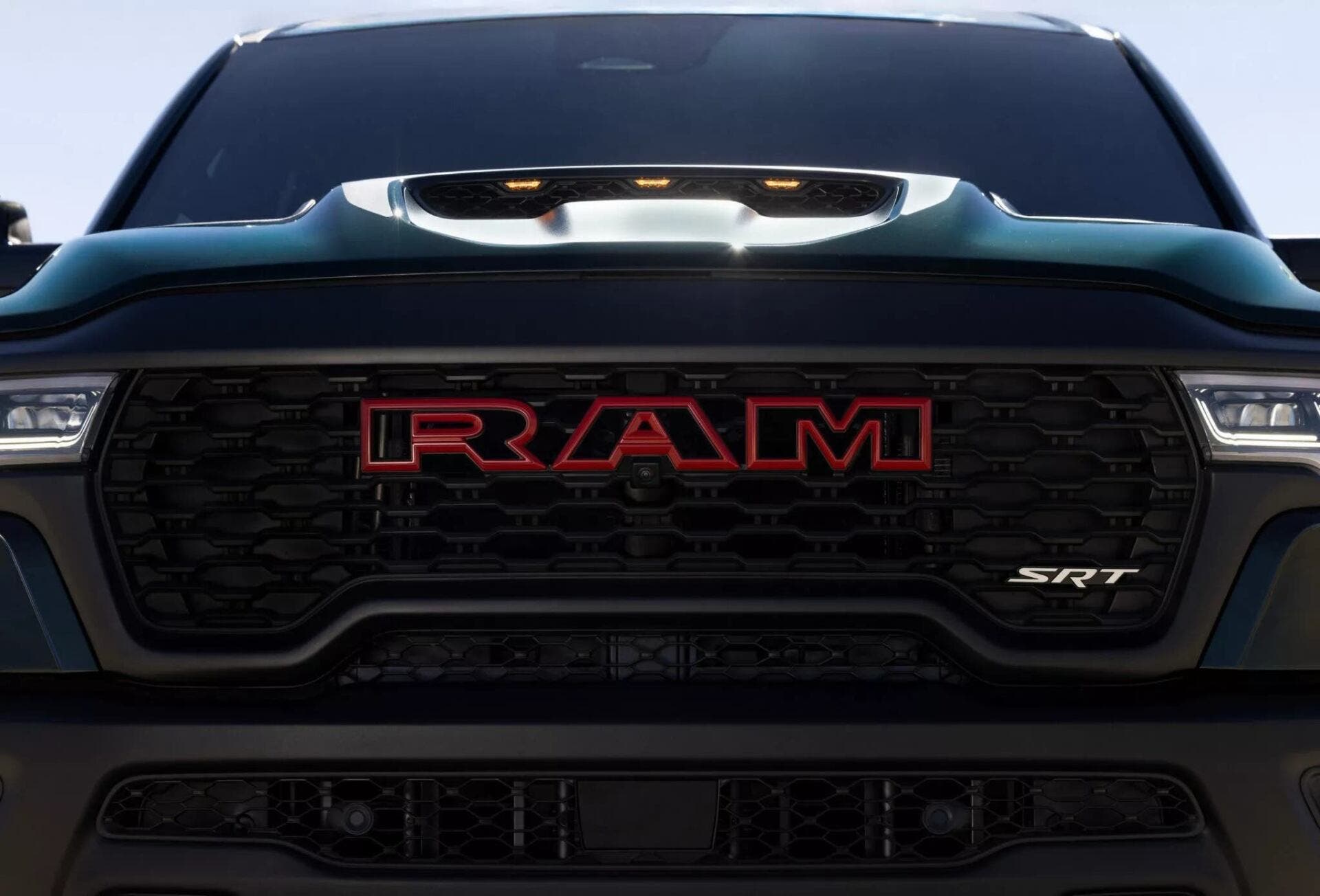
On the American side, Gilles focuses most of his attention on the evolution of Ram pickups. He sees the current trend in the full-size truck segment as excessive, with front ends growing larger and more strained in appearance, an approach that in his view does not always create a genuine connection with the public and that he also sees in the Tesla Cybertruck and in some GM proposals. For the next Ram generation, he points in the opposite direction, with a more futuristic setup, cleaner lines, and a road presence that feels less forced, aiming to communicate modernity rather than aggression.
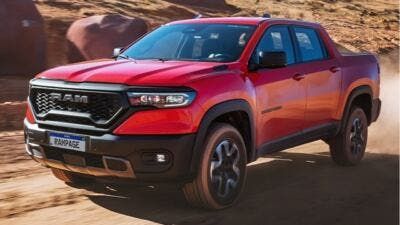
The brand is also considering a return to the midsize truck segment, a possibility that many link to the Dakota name, based on the idea that current models have grown so much that they leave room for a more compact alternative. When it comes to electrification in this category, however, Gilles does not hide his doubts, arguing that the market still does not see battery power as a natural answer to the needs of people who use a pickup every day.
Accessibility ties all of these ideas together, and Gilles identifies it as the most urgent design issue for the entire group. In his view, the answer lies in a more focused approach that removes unnecessary layers from the product and directs resources toward what customers truly perceive as value. In that context, artificial intelligence would also take on a growing role, with the ambition of developing onboard interfaces capable of personalizing the driving experience more deeply.
Gilles also sees growing interest, both among customers and among the younger designers on his team, in compact and enjoyable cars to drive, as the SUV format shows clear signs of saturation. Outside the group, he looks with admiration at the Celestiq, which in his view shows how a historic brand such as Cadillac can rediscover direction through a single product with strong impact.