

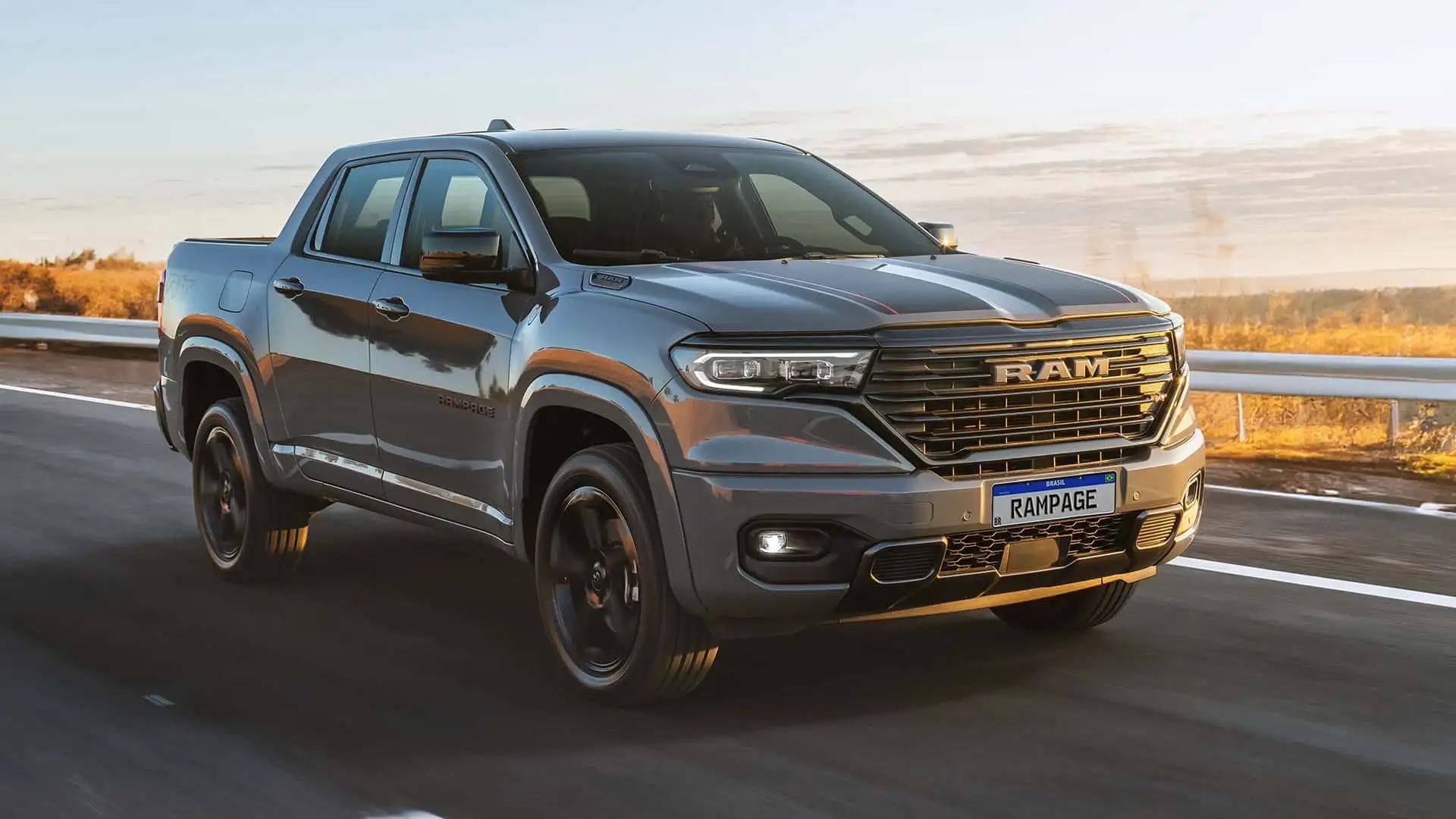
Tim Kuniskis does not hide his interest in seeing the Ram Rampage on American roads. The brand’s global CEO openly admitted this in a recent interview with Mopar Insiders, while also explaining that bringing the midsize pickup from Brazil to the United States would involve far more challenges than it might seem at first glance.
Why the Ram Rampage is unlikely to reach the U.S. market
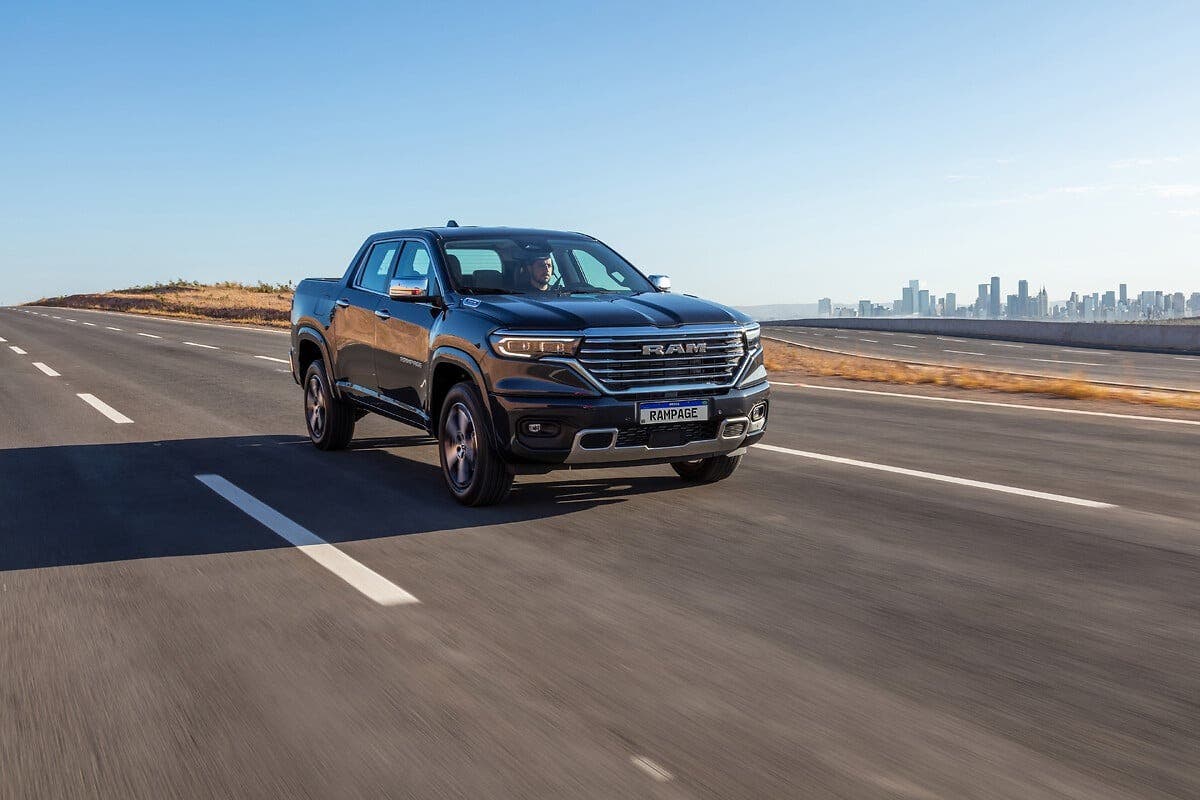
Ram developed the Rampage specifically for the South American market, but the model has sparked curiosity elsewhere as well. The main issue comes down to cost. Certifying the vehicle for the U.S. market would require significant investment, and at the moment those costs do not appear justified. NHTSA regulations impose far stricter requirements than Latin NCAP standards, including more demanding crash tests, tighter lighting rules, and tougher structural requirements.
Timing adds another layer of complexity. The Rampage rides on the Small Wide 4×4 LWB platform, the same architecture used by the Jeep Compass sold in the United States. However, that platform has reached a late stage in its lifecycle and Stellantis plans to replace it in the near future with the newer STLA Medium architecture. This newer platform already underpins several European models and supports hybrid and electric powertrains as well as more advanced driver-assistance systems.
From a business perspective, investing heavily to homologate a platform that would serve only one model in the U.S., and one that faces an imminent replacement, makes little sense. Still, Kuniskis has not ruled out the possibility entirely. A future generation of the Rampage built on the STLA Medium platform could realistically reach North America, especially given the interest he has expressed.
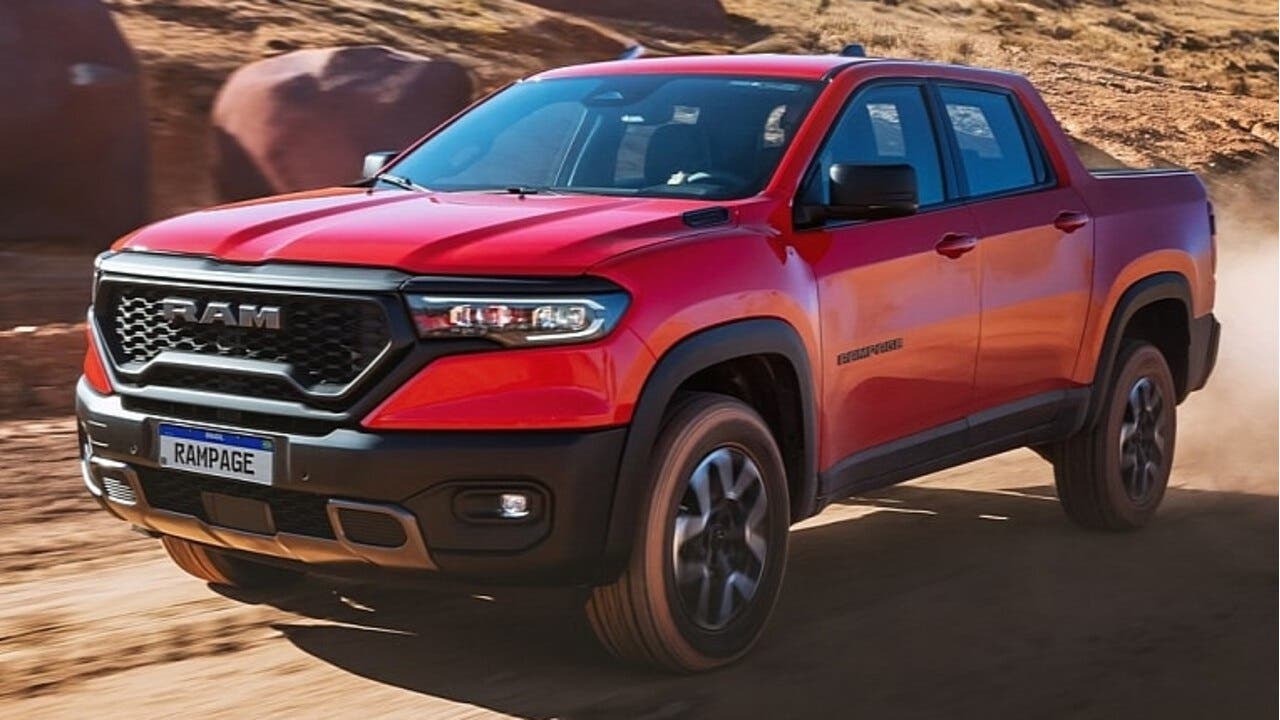
In the meantime, Ram plans a different approach to meet U.S. demand for midsize pickups. The brand currently works on a new generation of the Dakota, designed specifically for the North American market. Ram expects the truck to arrive in 2027, with pricing likely starting around $40,000. Its commercial debut as a 2028 model will mark the return of the Dakota name after nearly two decades.
Despite sharing a name with the Brazilian model, the U.S.-spec Dakota will differ entirely. It will offer larger dimensions and use the Jeep Gladiator’s platform. The powertrain lineup will also differ, with more powerful options than the 2.2-liter Multijet turbodiesel found in the South American Rampage and Dakota.
Rather than dealing with regulatory hurdles and high adaptation costs to make the Rampage compete with rivals like the Ford Maverick, Ram prefers to develop a pickup designed from the ground up for U.S. regulations and customer expectations.