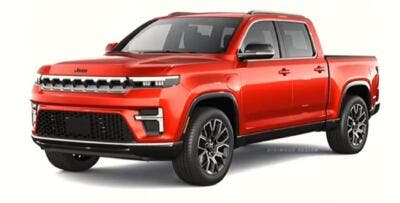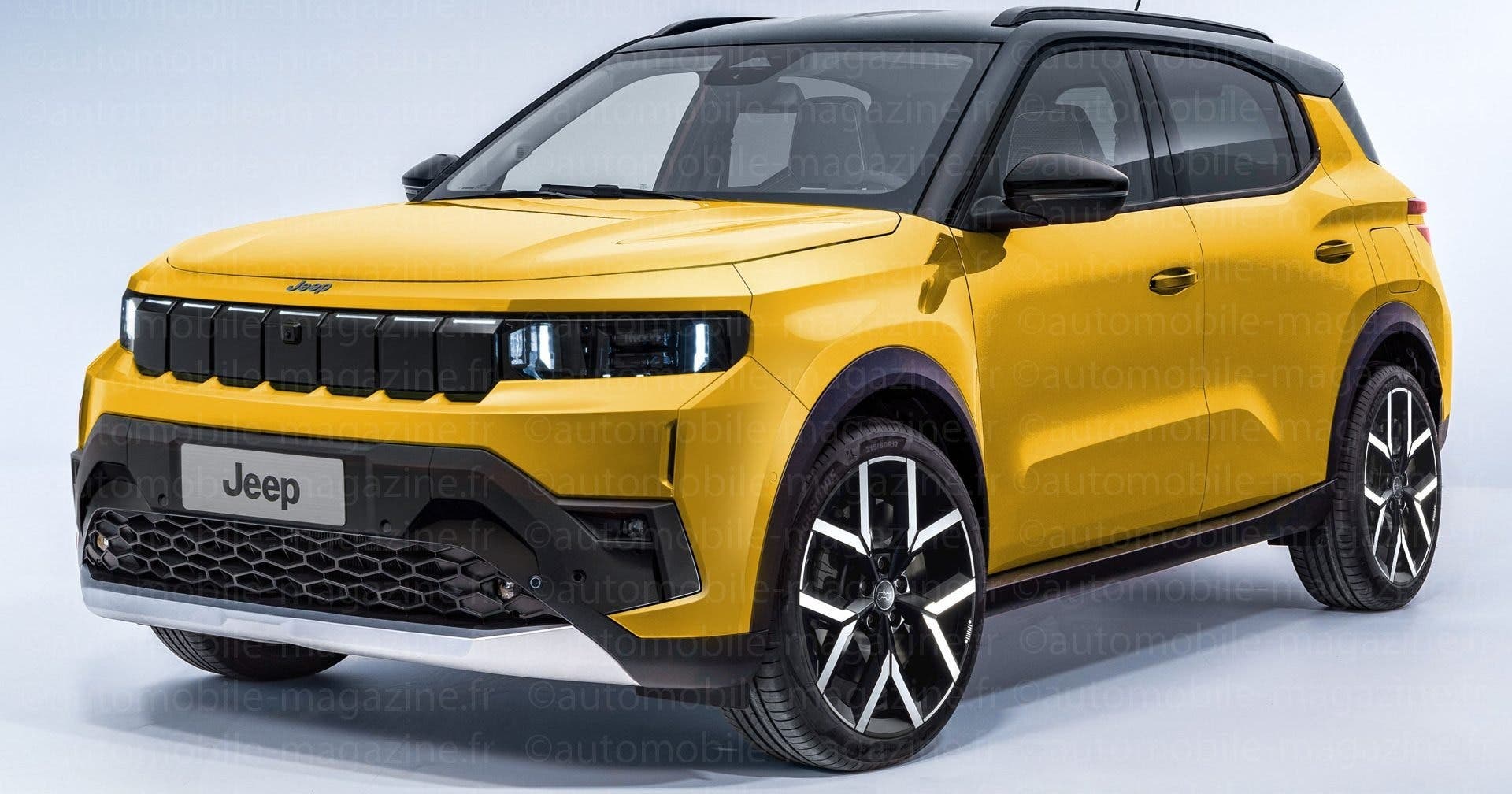
New rumors from Brazil suggest that the next-generation Jeep Renegade is finally taking shape. According to Autos Segredos, production of the SUV in South America is set to begin in May 2028 at the Stellantis Goiana Automotive Hub. For Europe, sources point to Stellantis’ plant in Tychy, although this remains an assumption rather than confirmed information.
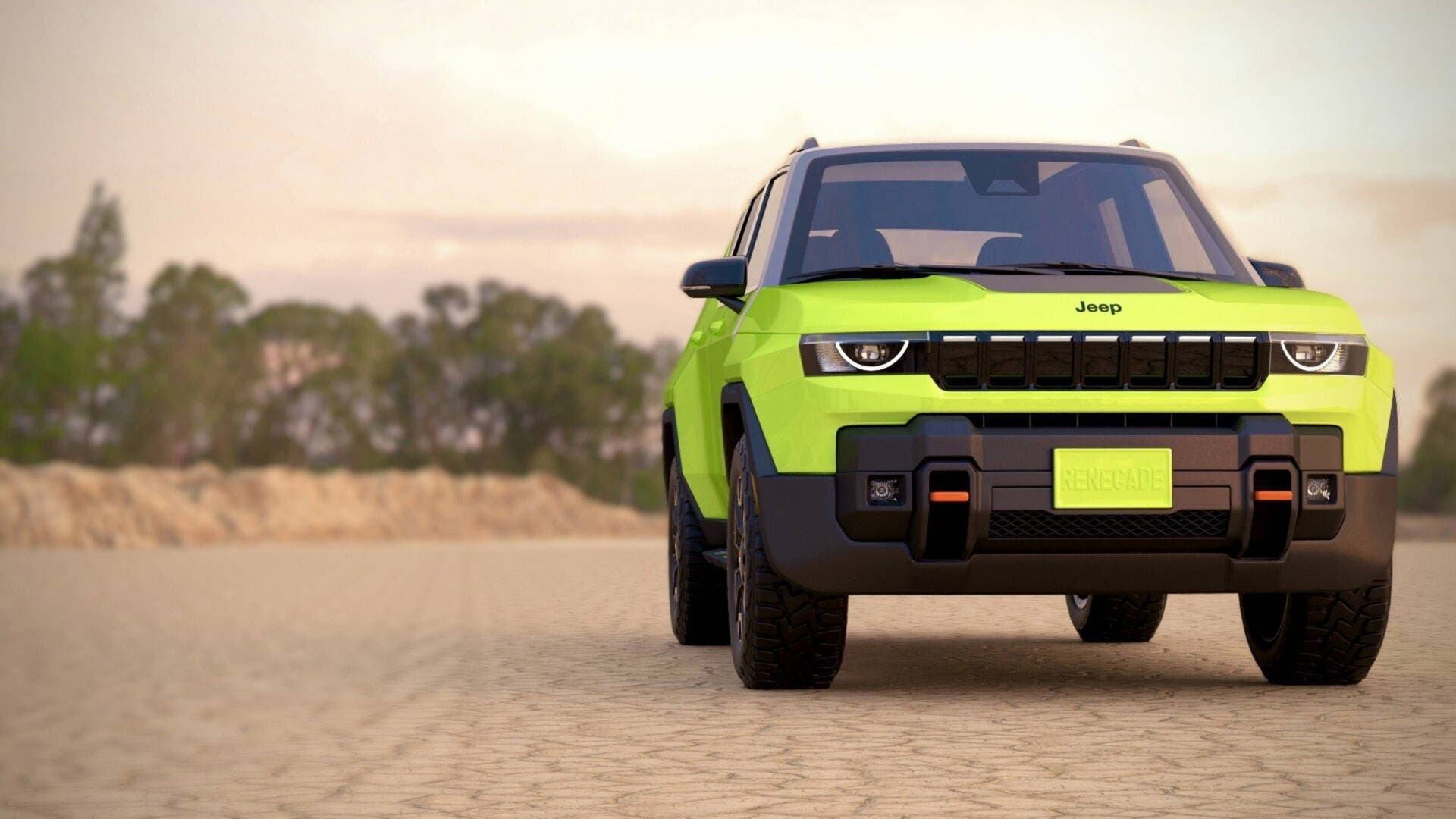
The new Jeep Renegade will ride on the STLA Small platform. While the current generation will continue on sale in South America, receiving a facelift ahead of the new model’s 2028 debut, the European situation remains less clear. Reports indicate dimensions similar to the current model or only slightly larger, with an overall length of around 4.3 meters (about 169 inches). As for design, it is still too early to define Jeep’s direction, but a return to more squared-off lines, reminiscent of the first generation that defined the model’s identity, would not come as a surprise.
New Jeep Renegade moves closer as production plans surface
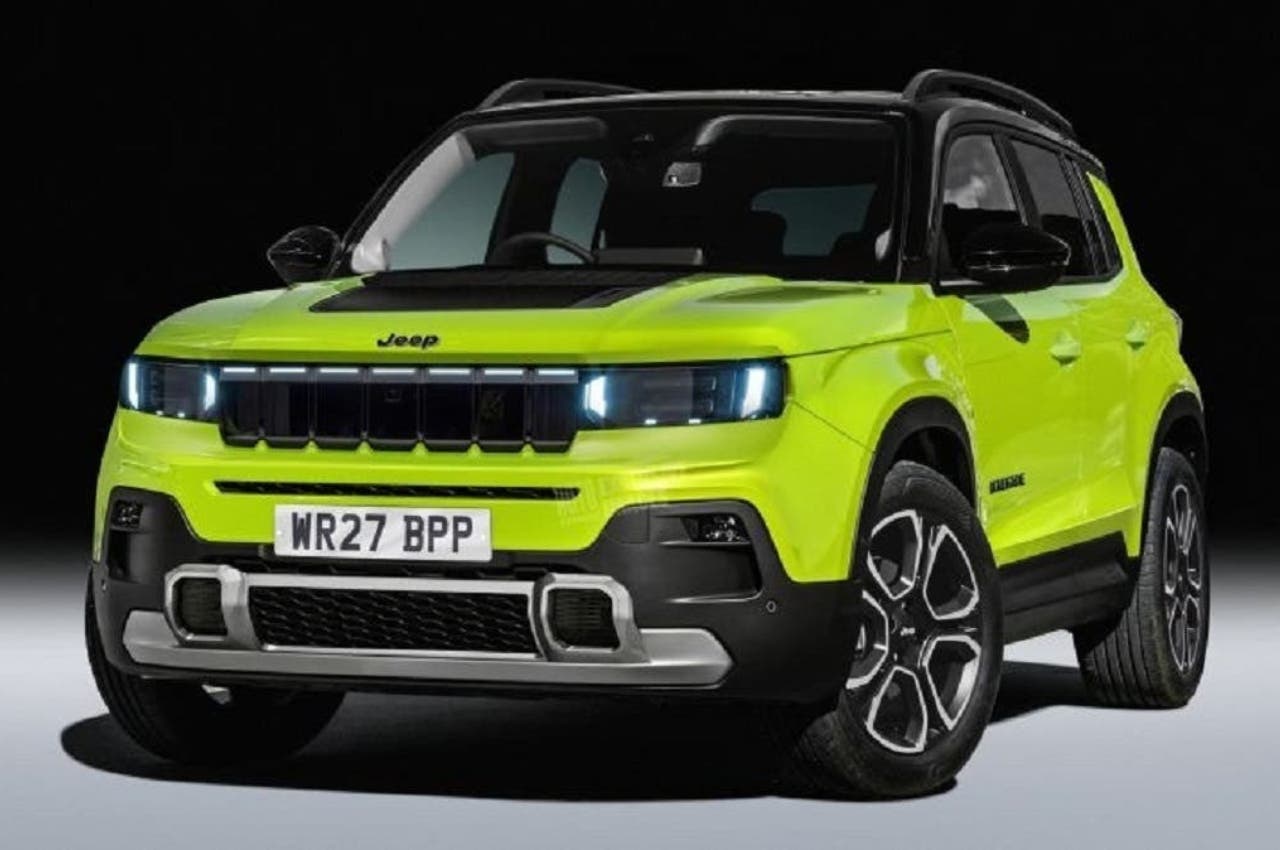
The next-generation Jeep Renegade will offer fully electric, 48-volt mild-hybrid, and plug-in hybrid powertrains. However, a fully electric version does not appear guaranteed for the Brazilian market. Regardless of the hybrid system, South American models will retain the 1.3-liter Turbo Flex 270 internal combustion engine. One key difference compared with Europe involves the mild-hybrid setup. Outside Brazil, the system pairs with a six-speed e-DCT transmission, while in Brazil Stellantis has chosen a six-speed Aisin automatic with a torque converter. Stellantis plans to introduce this technology in 2027 on the Jeep Commander, the new Renegade, and the Fiat Toro.
Mid- and high-spec versions of the new Jeep Renegade in Brazil will feature the Bio Hybrid Plug-in system, which combines electric and combustion power. Drivers will be able to operate the vehicle in fully electric mode, gasoline-only mode, or a hybrid combination. The electric motors support the combustion engine, improving overall efficiency and reducing emissions.
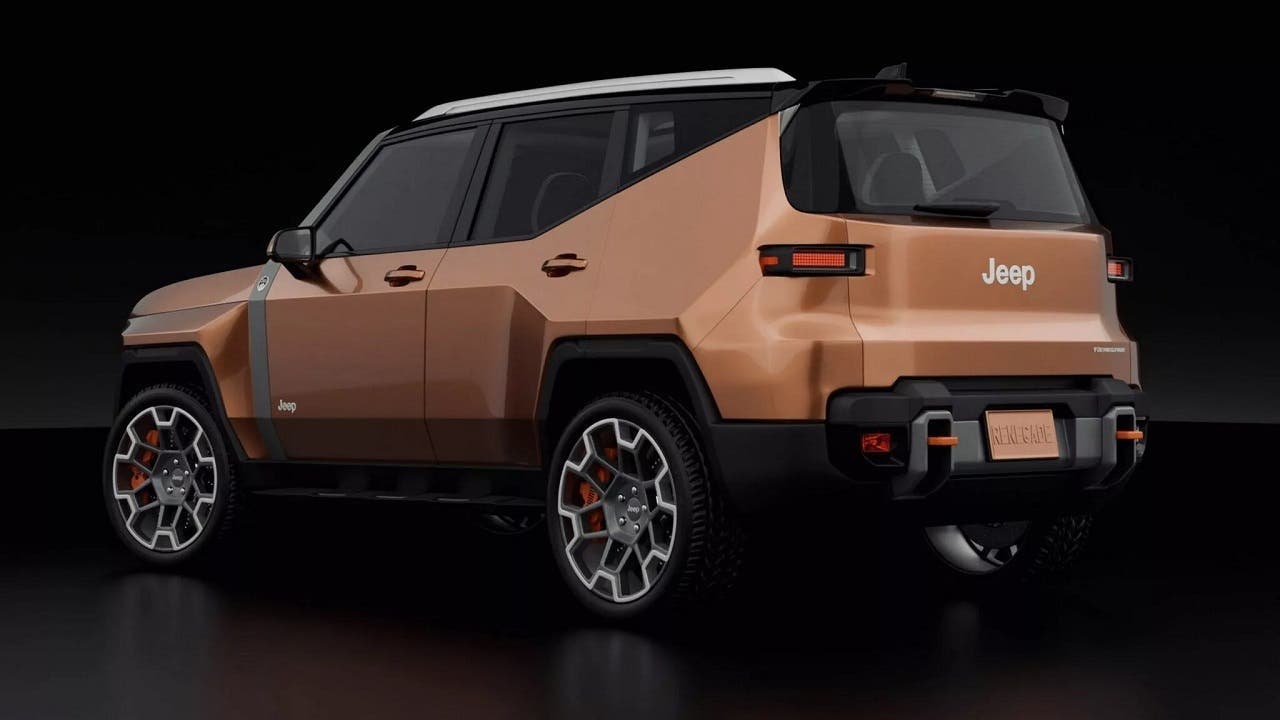
Power flows through an e-DCT dual-clutch automatic transmission with seven gears, dry clutches, and oil-bathed gears, capable of handling up to 35.6 kgfm of torque (around 258 lb-ft). The high-voltage battery recharges through both regenerative braking and external power sources. An electric motor mounted on the rear axle provides all-wheel drive. The system automatically selects the most efficient operating mode, combustion, electric, or hybrid, to optimize consumption and performance in all driving conditions.
For Europe, some elements may differ from the Brazilian configuration. Even so, this information further confirms that, despite the uncertainty surrounding its future, the Renegade will continue to play a role in Jeep’s global lineup. As Marco Montepeloso, Jeep’s head of product planning, explained in recent months in an interview with Auto Express, the brand still needs to fill a gap between the Avenger, measuring 4.08 meters, and the new Compass, which stretches to 4.55 meters. That space, according to Jeep’s strategy, will be occupied by this very model.