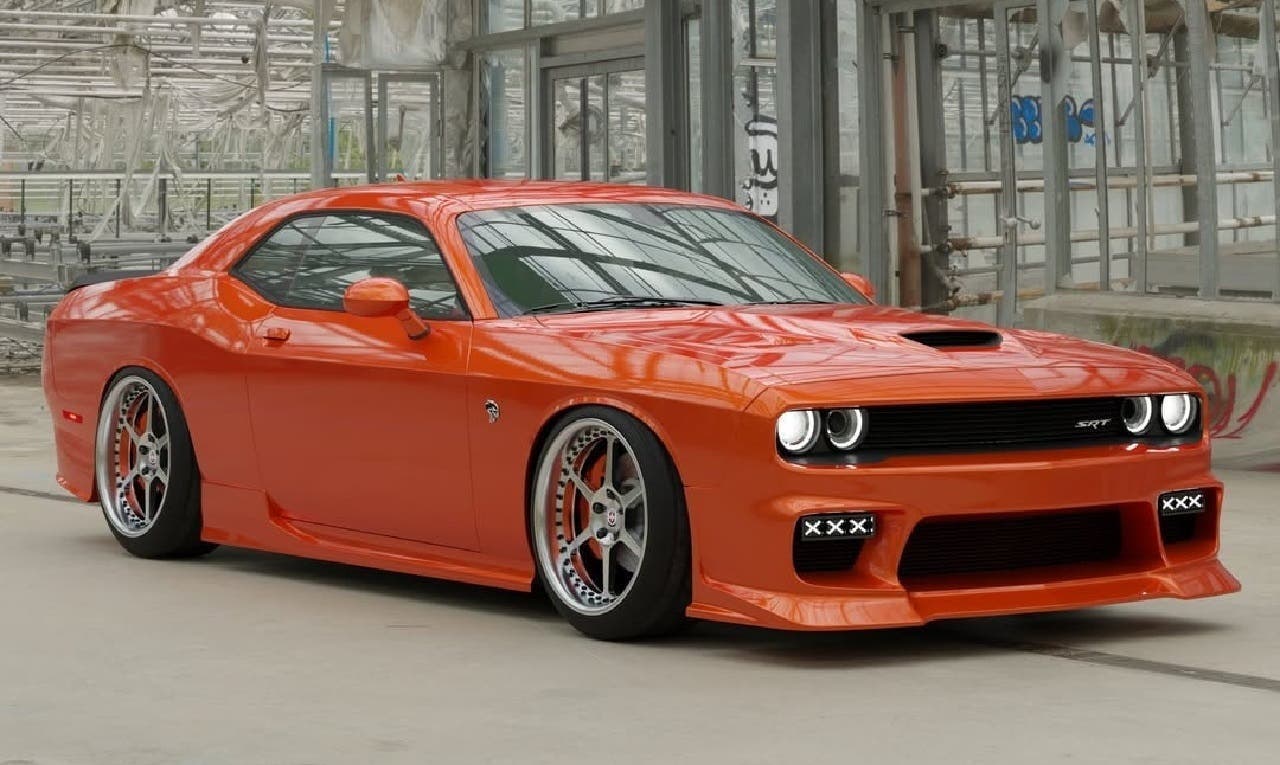
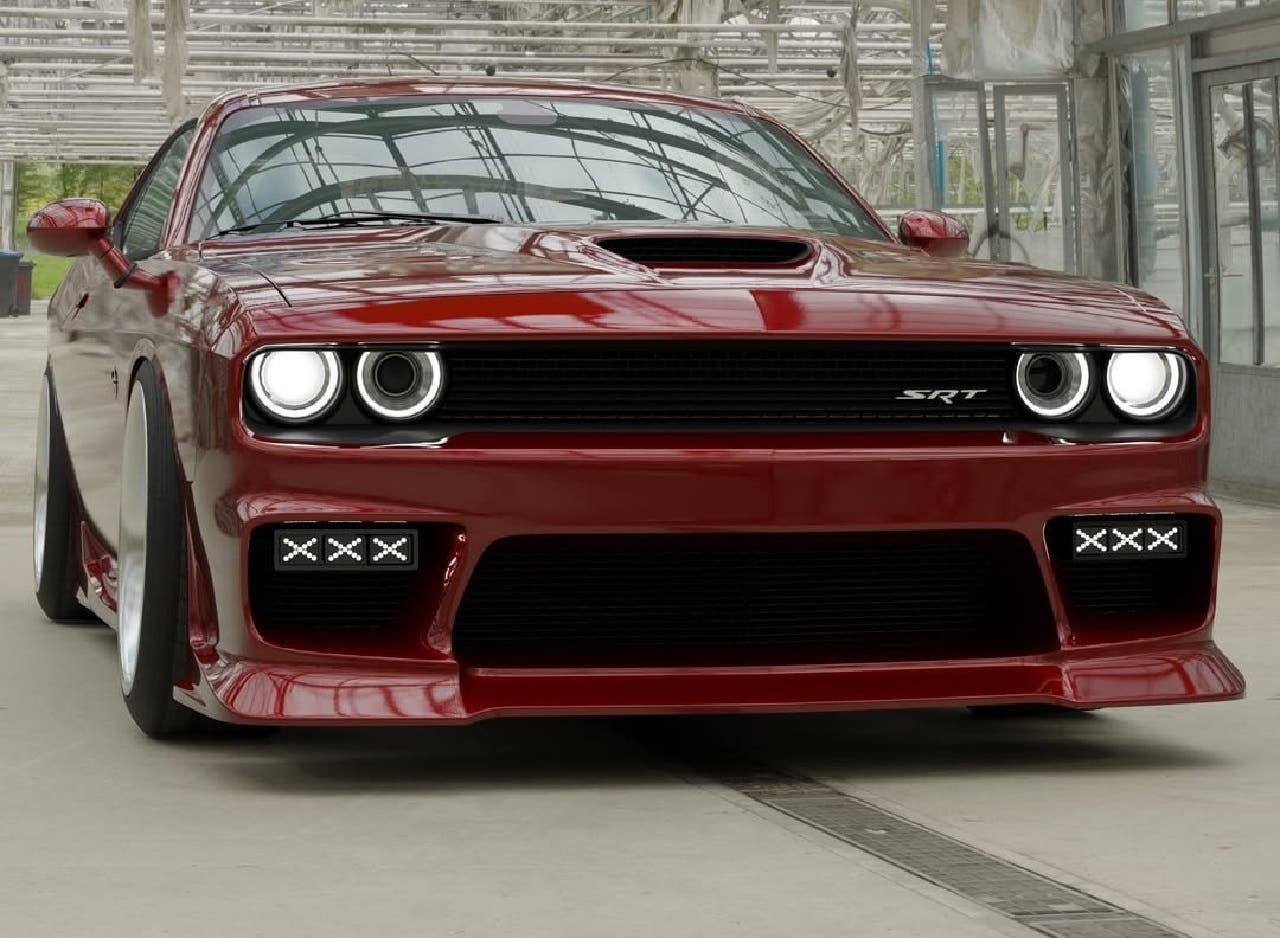
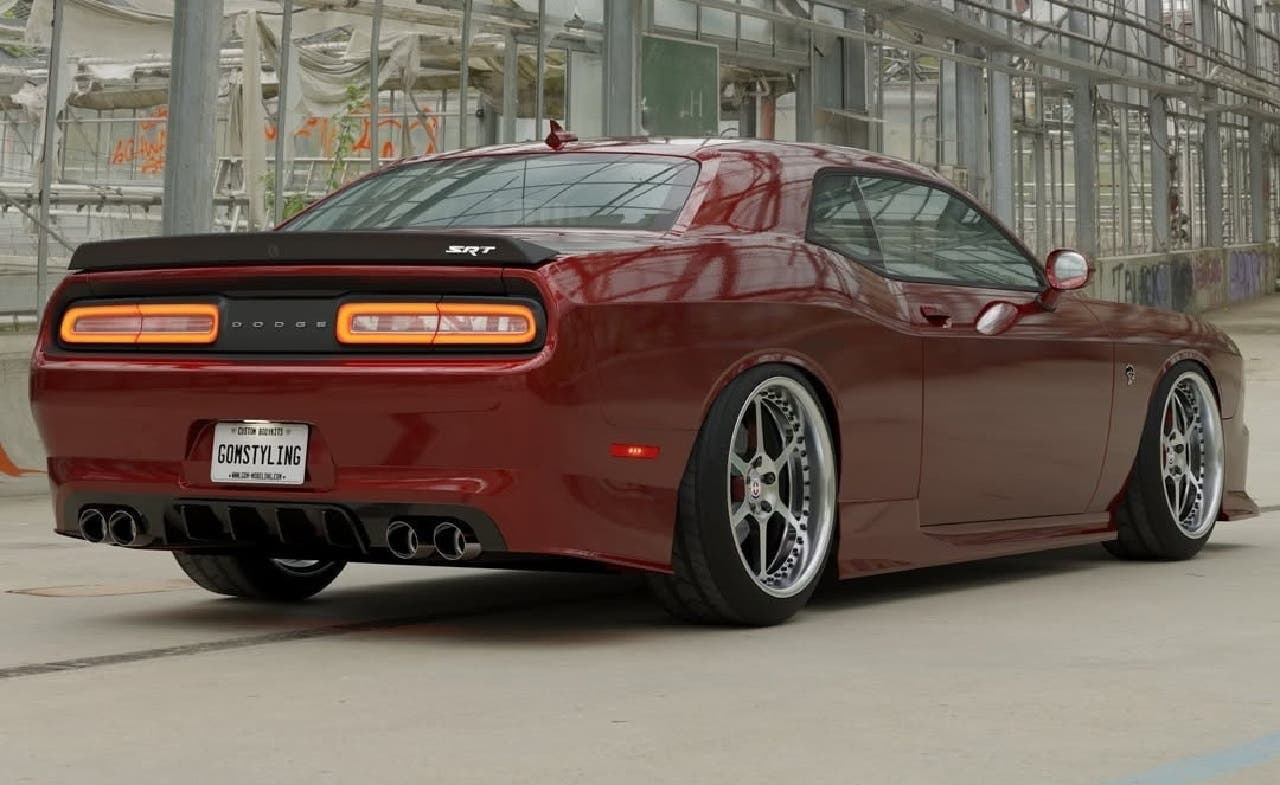
The Dodge Challenger is no longer in production, but designer Gomstyling has imagined a possible successor on Instagram: a low, muscular coupe that does not try to hide where it comes from. The render shows a Dodge Challenger with lowered and aggressive proportions, a vented hood, a retro-inspired front end, triple-X daytime running lights, pronounced side skirts and a rear end dominated by a muscular diffuser, four round exhaust tips and a ducktail spoiler with an SRT logo. The design exercise has no connection with the brand’s official plans, but it has triggered strong reactions among enthusiasts, reopening a conversation that the end of Challenger production never really closed.
Dodge Challenger returns in digital form with SRT attitude and muscle car nostalgia
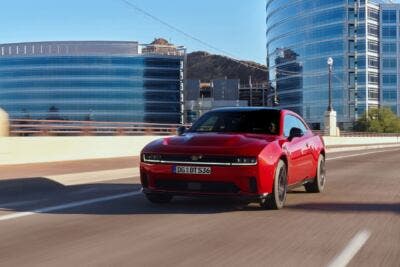
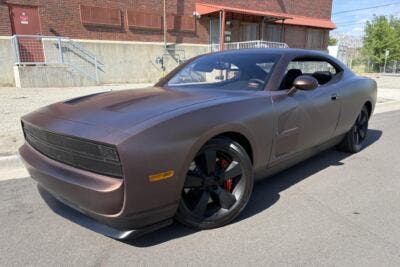
Dodge discontinued the Challenger after a 15-year run, handing the new Charger the task of carrying forward its muscle car legacy. However, the American coupe had built a following that cannot easily transfer to a different model. Its classic proportions, with a very long hood and broad shoulders, rear-wheel drive and a powertrain range that reached record-breaking levels in its most extreme versions made it feel like an object from another era in a market increasingly focused on electrification and efficiency. The Demon 170, running on E85 fuel, reached 1,025 hp, accelerated from 0 to 60 mph in 1.66 seconds and covered the quarter mile in 8.91 seconds. Those dragster-like figures pushed the idea of a road-legal muscle car to a point that may never be repeated.
The render captures exactly the void left by the end of that model. The front end reinterprets the layout of older Dodge models with updated details, a more elaborate bumper and a pronounced lower apron, while the vented hood suggests serious mechanical hardware beneath the bodywork. The lowered side profile and polished wheels give it the look of a modern street machine, while the rear end, with four exhaust tips and the SRT spoiler, directly recalls the most aggressive Challengers of the previous generation, from the Hellcat to the Demon.
The transition to the new Charger opened an industrially necessary phase for Dodge, but a significant part of the public still looks for something in the brand that the rationalization of the range has inevitably reduced. The render does not preview any model currently in development and will most likely remain a digital exercise. However, the speed with which it sparked debate confirms that the Challenger name still has an emotional pull that cannot simply be dismissed as nostalgia for a discontinued model.