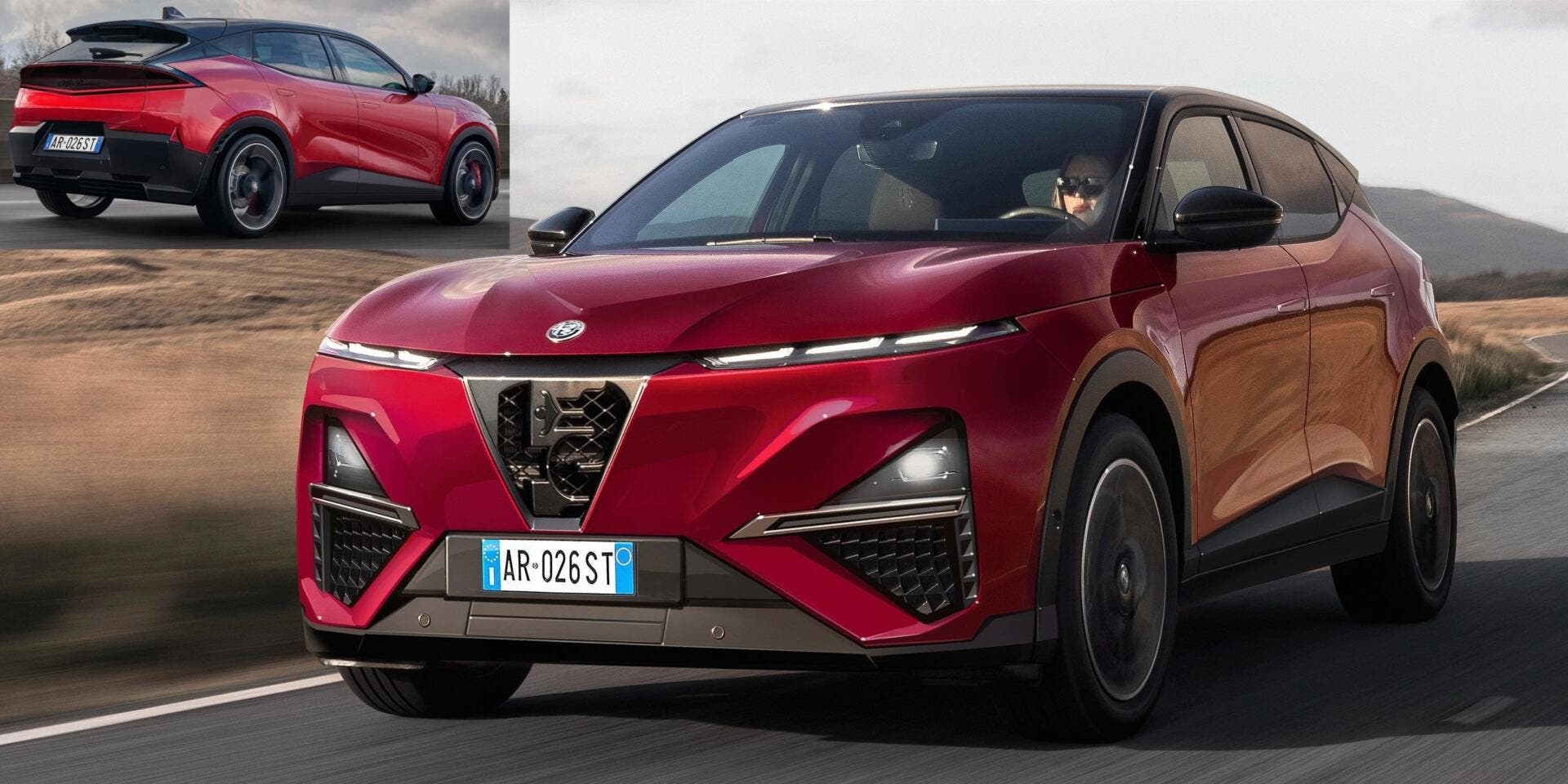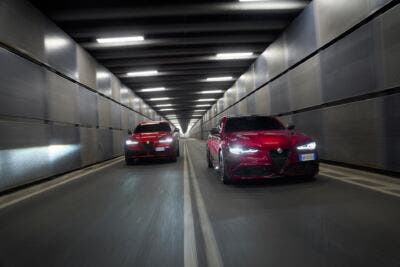
The new Alfa Romeo Stelvio and Giulia have returned to the spotlight following recent statements by Santo Ficili at the 2026 Brussels Motor Show. The brand’s CEO confirmed that the next generations will not debut before 2028, a timeline that has disappointed many enthusiasts who had hoped for a quicker arrival. The wait will therefore extend by at least two more years, despite the current models having earned widespread praise from both the automotive press and customers.
Alfa Romeo rethinks Giulia and Stelvio ahead of 2028 launch
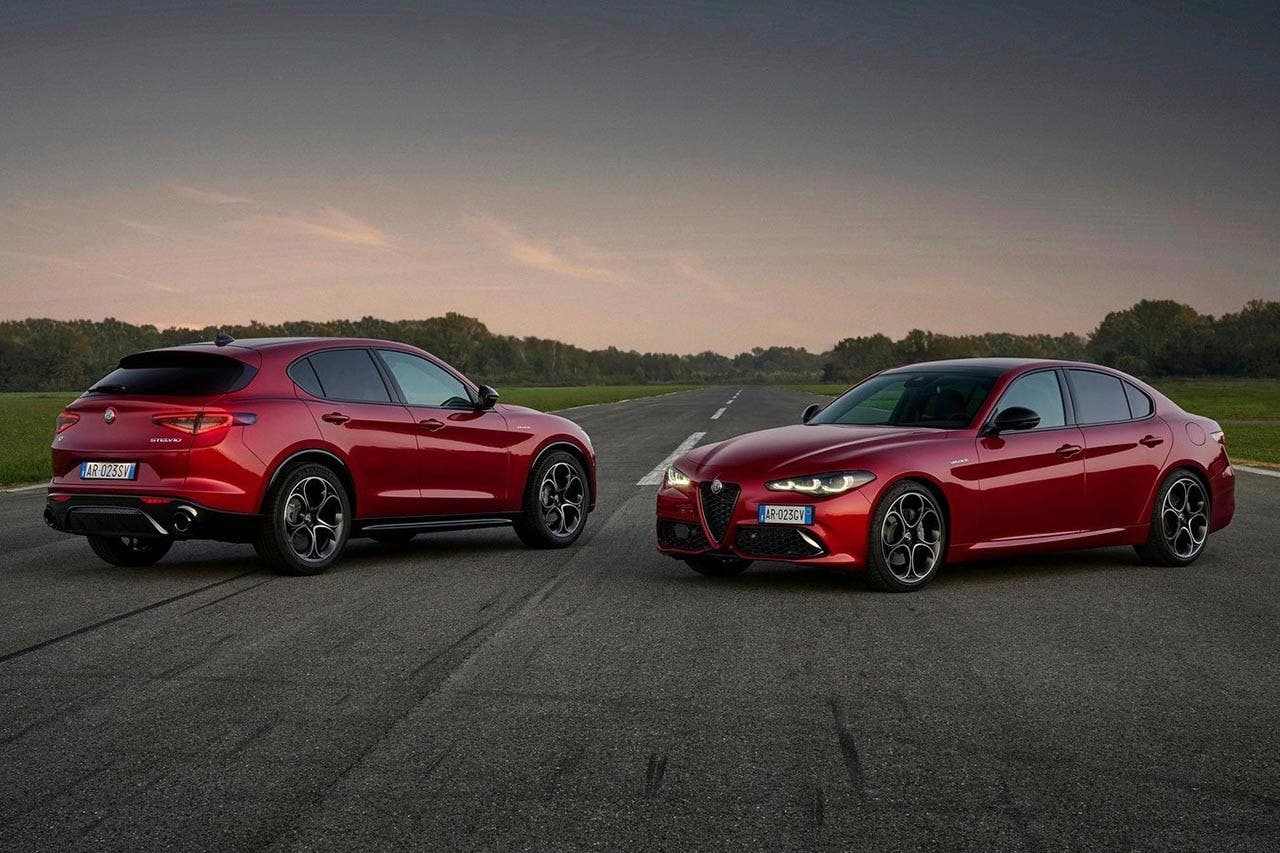
Alfa Romeo Stelvio and Giulia have always stood out for their driving dynamics and engaging character, but sales volumes have never fully met expectations set during the Sergio Marchionne era. This shortfall has pushed Alfa Romeo to rethink how to make the next generation more competitive in an increasingly crowded market dominated by German premium brands.
Pricing is unlikely to become the key lever for boosting sales. The upcoming models, especially in their electric and higher-end versions, will probably cost more than the current ones, not less. For this reason, Alfa Romeo will need to focus strongly on overall product quality, raising the bar in terms of materials, technology, and perceived premium value.
The new Giulia and Stelvio should mark a significant step forward in driver-assistance systems and safety features, with far more advanced solutions than those offered today. This aspect will represent one of the pillars of the brand’s relaunch, alongside improved build quality. Styling also remains a crucial factor, and it may have contributed to the delay. Management could have decided to revise the design to better match current tastes and appeal to more demanding customers.
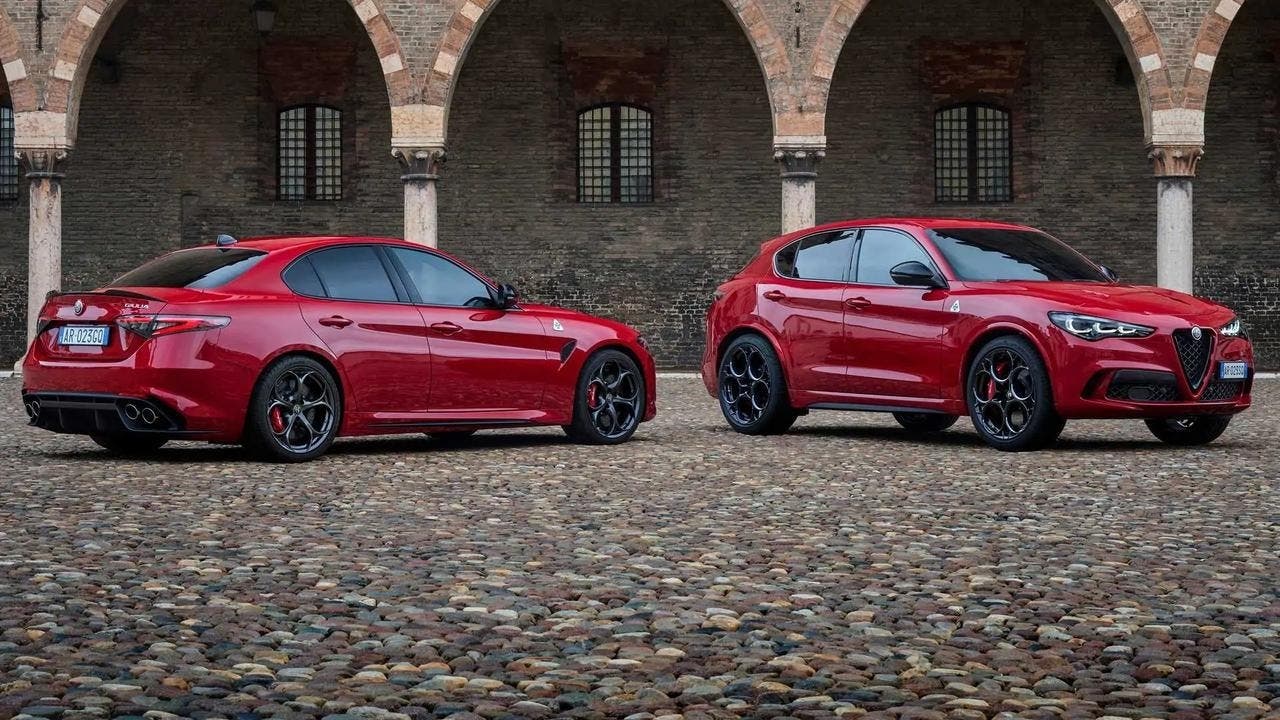
Powertrain strategy will play an equally important role. The next-generation Stelvio and Giulia will not rely solely on electric power, as originally planned, but will also offer hybrid solutions. Traditional petrol and diesel engines will disappear, largely due to European regulations rather than brand strategy, although rumors suggest that the Hurricane engine could appear in the U.S. market.
Beyond electrification, what will truly make the difference is Alfa Romeo’s ability to deliver authentic driving emotions once again. That connection has weakened in recent years, and the new Giulia and Stelvio must represent a turning point. Only by doing so can the brand win back loyal enthusiasts and attract new customers, at a time when Alfa Romeo’s future, especially in markets like the United States, remains far from certain.