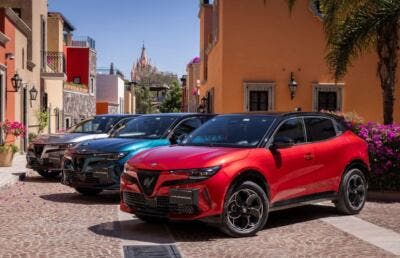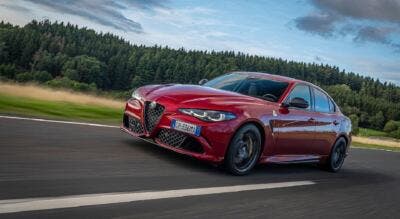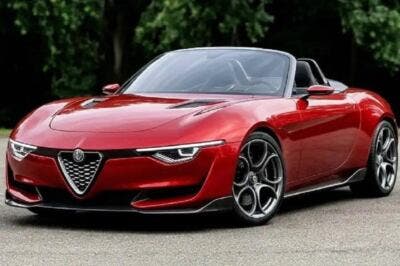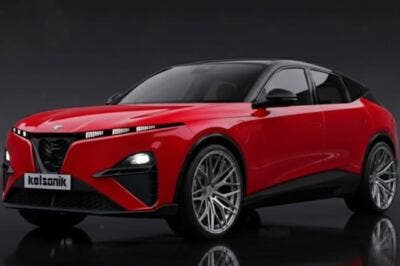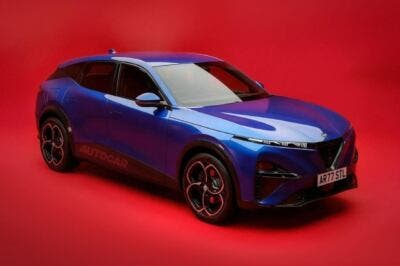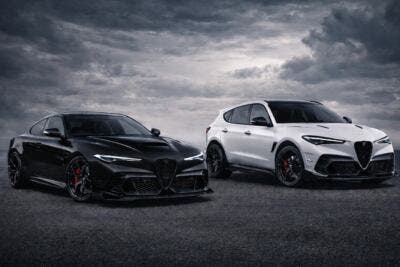
The new generations of the Alfa Romeo Giulia and Stelvio should debut around 2028, later than initially expected but in line with Stellantis’ decision to develop both models with a multi-energy lineup including gasoline, mild-hybrid, plug-in hybrid and electric powertrains. CEO Santo Ficili confirmed this direction in recent weeks, and more details on the timing and positioning of the two models could emerge on May 21, when the group presents its new strategic plan.
Alfa Romeo Giulia and Stelvio future takes shape ahead of Stellantis plan
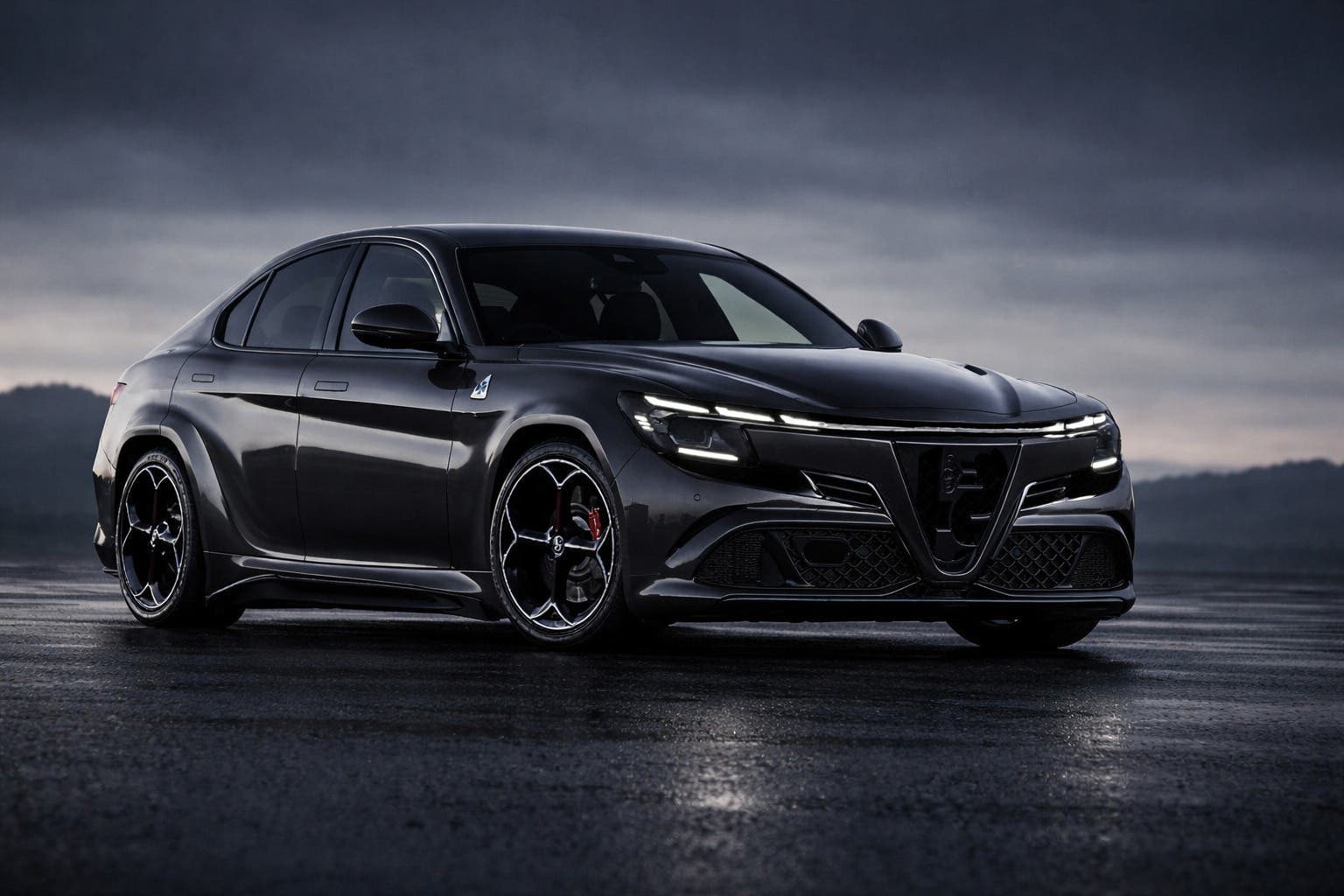
The STLA Large platform should serve as the technical base. Stellantis developed this architecture to accommodate different powertrains and already plans to use it for several mid-to-high-end group models. Mild-hybrid versions could adopt turbocharged four-cylinder gasoline engines, while plug-in hybrids would aim to provide enough electric range for urban driving and daily commutes. Battery-electric variants would still play a central role in the lineup, with battery packs that, according to rumors, could reach 118 kWh and theoretical ranges above 650 km in the most efficient configurations.
The future Quadrifoglio versions are attracting particular attention. According to the rumors circulating so far, Alfa Romeo could offer them both as electric models and with combustion engines. Battery-electric versions would target very high performance levels, while combustion variants could keep an updated 2.9-liter twin-turbo V6 to comply with the latest regulations. This solution would allow Alfa Romeo to preserve its link with the brand’s sporting tradition without giving up its push toward electrification.
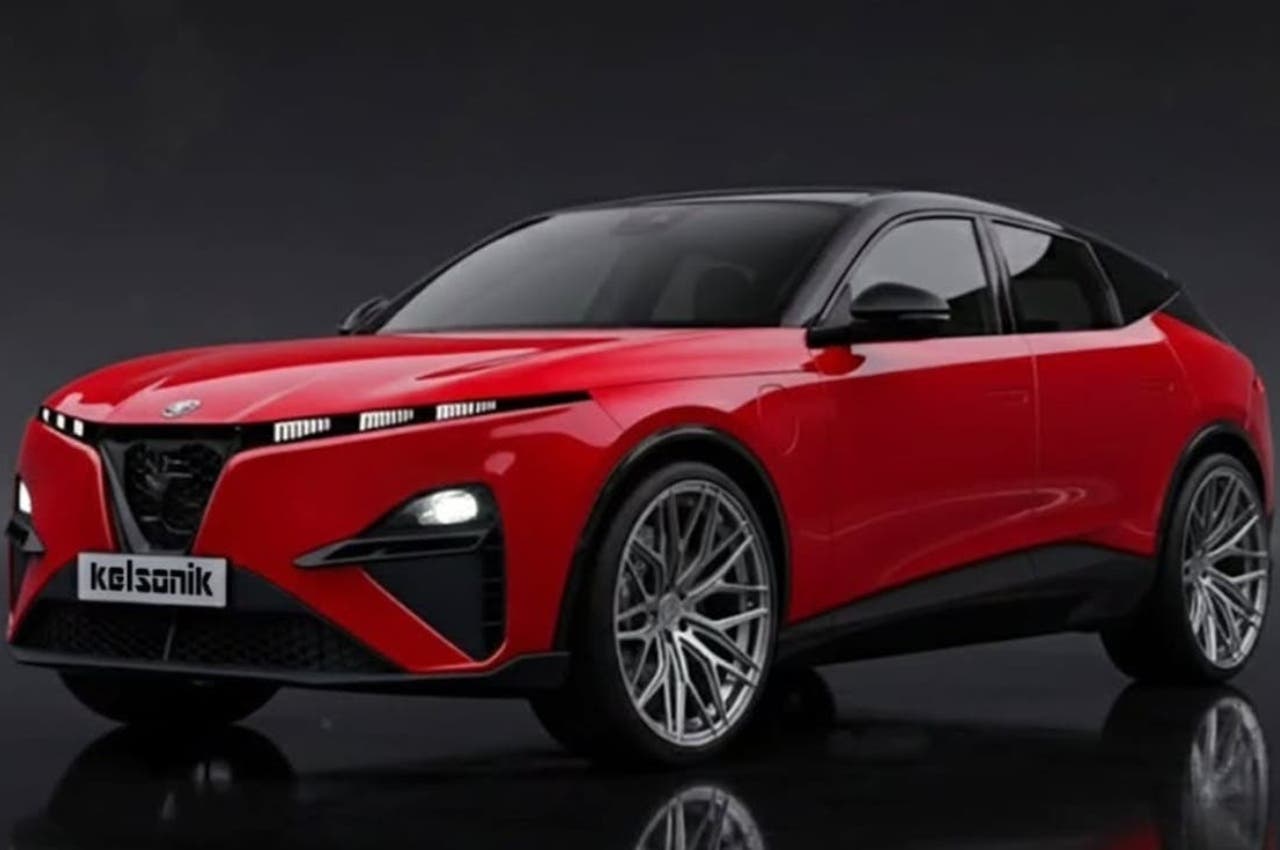
Inside, the new Giulia and Stelvio should bring a major step forward in digital equipment, with more advanced software, over-the-air updates and redesigned instrumentation. At the same time, they should retain the driver-focused cabin layout that has characterized the current generations.
For Alfa Romeo, 2028 would represent a particularly delicate moment. The Giulia and Stelvio will have to respond to a premium market where German rivals continue to evolve quickly and where the ability to offer diversified powertrains could prove decisive in reaching volumes high enough to justify the investment in the platform and lineup. The indications expected from Stellantis’ strategic plan on May 21 will provide a clearer picture of timing, target markets and the industrial weight that the group intends to give the two models after 2027.